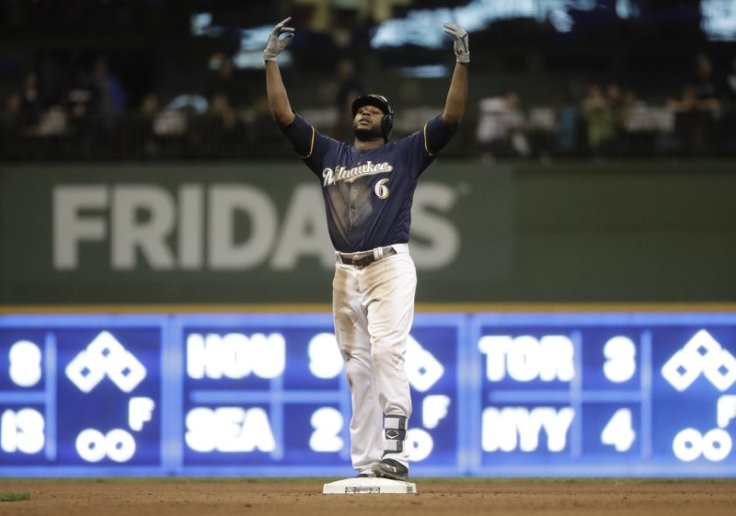
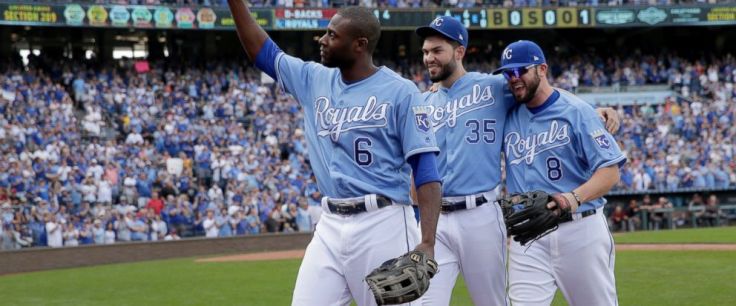
When the 2017 Kansas City Royals wrapped up their season this past October, we all knew it was the end of an era. It was not only the end of the line for a number of players who had been a large part of the Royals return to postseason play for the first time in decades, but it also meant the end of contending baseball in Kansas City, at least for a while.
It’s not always easy to say goodbye. Max Rieper talked the other day about how much we end up caring about these players, not only for their on the field work but who they are as people. It’s why players from the past, like Bret Saberhagen or Bo Jackson, are still cheered when making rare appearances at Kauffman Stadium.
It’s also why we still check up on former Royals to see how they doing after they leave Kansas City. Good or bad, we want to know what they are up to and in most cases hoping they have found success outside of their former home. Except for Neifi Perez. He was the worst.
So with that, let’s take a peek into what some former Royals are doing in their first year away from Kansas City.
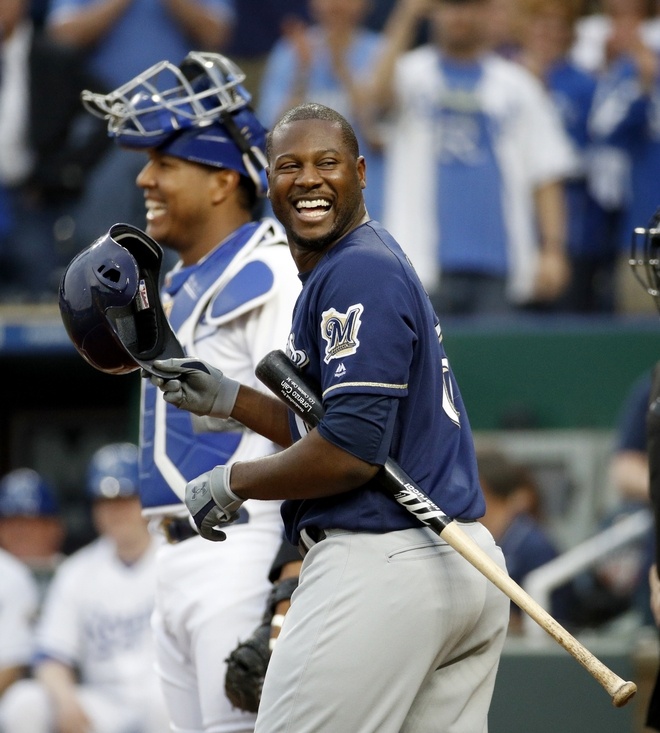
Lorenzo Cain has been absolutely amazing in his return to Milwaukee, as he is hitting a robust .293/.393/.427 with a wRC+ of 125. Cain is third in the National League in fWAR at 3.6 and has the most defensive runs saved for a center fielder with 14. Maybe the most impressive improvement in Cain’s game this year has been plate discipline, as he is posting a 13.4% walk rate, which would easily topple his career high of 8.4% from last year. Cain’s increase shouldn’t be too surprising, considering the Royals have put a heavy emphasis on putting the ball in play these last few years and less focus on working the count.
Overall, Cain has been worth the money Milwaukee spent on him this past offseason and he looks to be in the running for National League MVP as the Brewers attempt to play October baseball. Milwaukee currently sits in 2nd place in the NL Central, 2.5 games behind the Cubs while holding down the first wild card spot in the league.
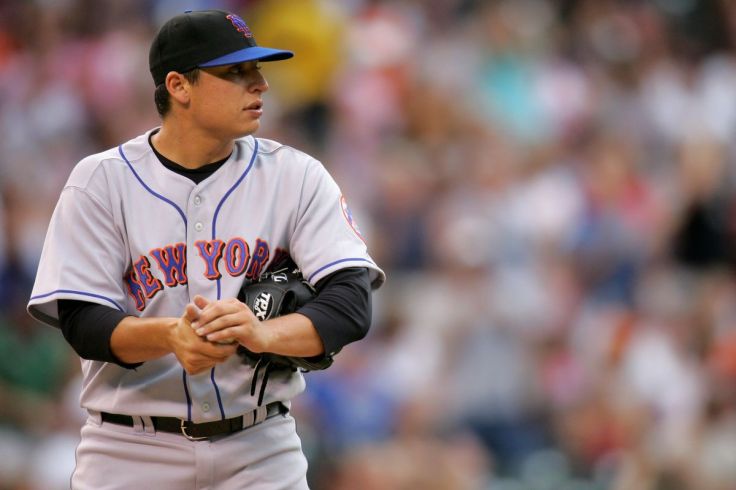
Jason Vargas on the other hand has been a disappointment for the New York Mets. Vargas has started in nine games for the Mets, posting an ERA of 8.60 over 37.2 innings with a FIP of 6.60. Vargas’ walk and strike out rates have stayed consistent but teams are hitting a hot .337 off of him with a .367 BABIP. Vargas has also seen his hard hit rate increase, jumping to 37.4% from last year’s 32.7%.
Vargas has spent considerable time on the disabled list this year and recently has been rehabbing in the minors. The news could get even worse for Vargas when he is activated, as the team could ease him back into action by making him a long reliever rather than a return to the rotation. Considering this is his age 35 season, we might be seeing the last leg’s of Vargas’ career.
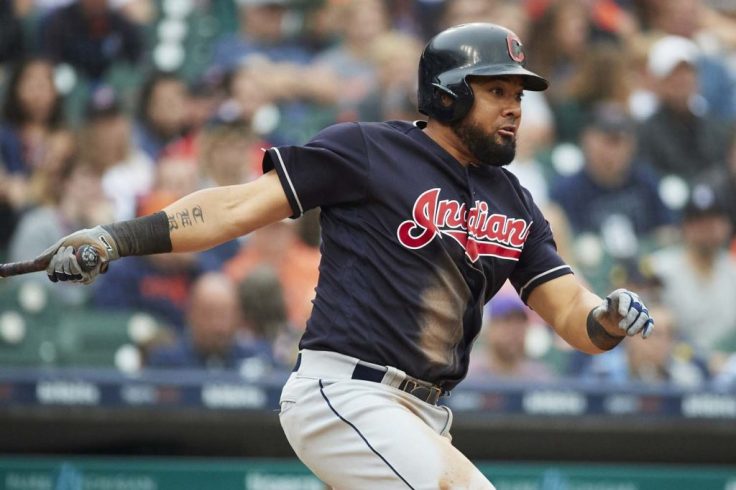
Melky Cabrera has had a “roller coaster” type season so far in 2018, as he didn’t sign a contract until late April, when the Indians signed him to a minor league deal. Cleveland would punch his ticket back to the majors a few weeks later, as he was recalled on May 20th.
Melky would be less than impressive during his stint for the Tribe, as he would hit .207/.242/.293 over 66 plate appearances with 11 RBI’s, a wRC+ of 38 and -0.5 fWAR. Cabrera would elect free agency about a month into his stay in Cleveland rather than accept an outright assignment back to the minors.
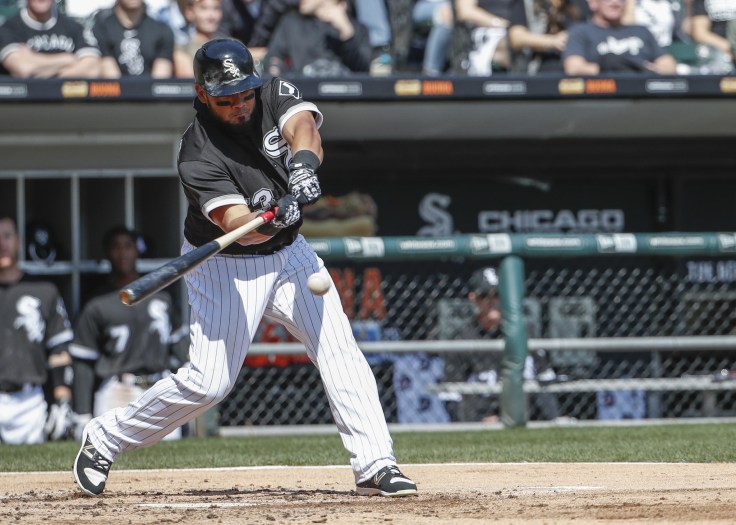
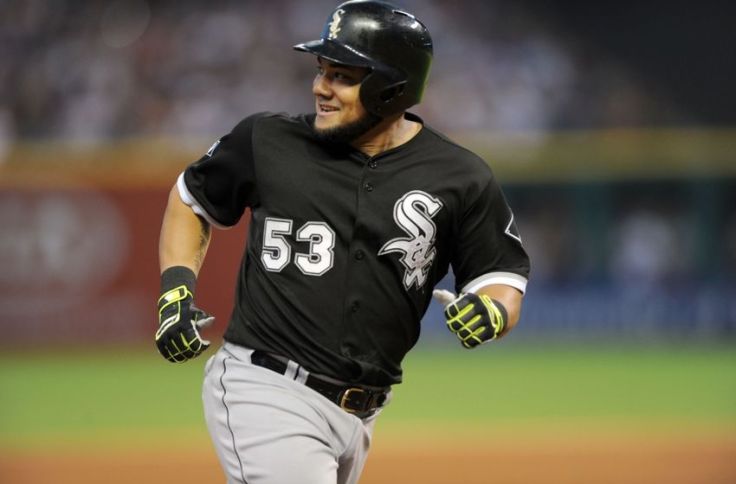
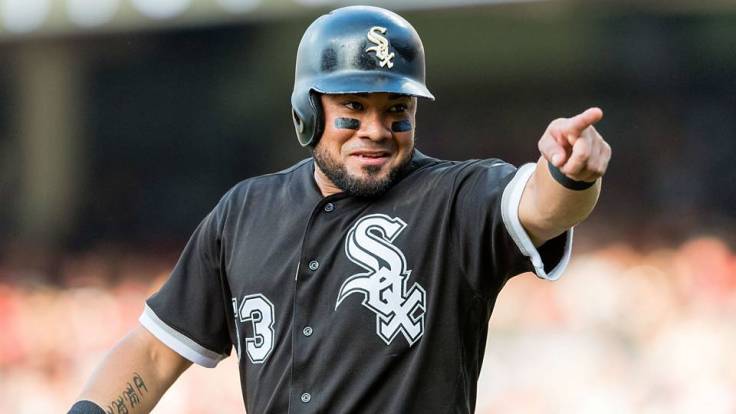
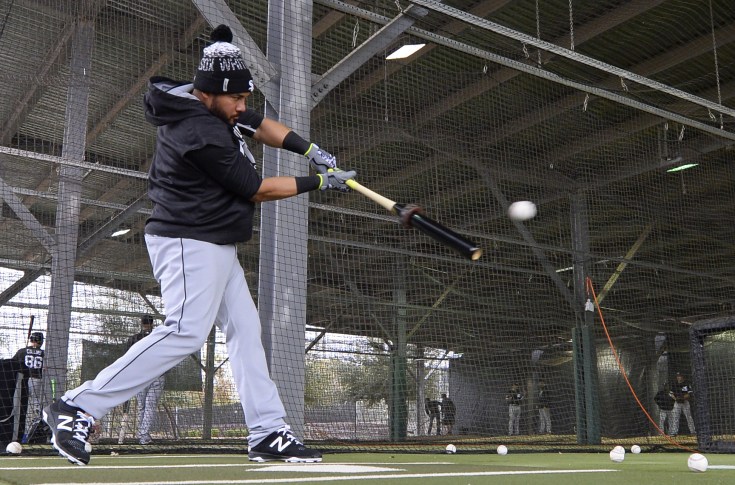
But the ride wasn’t over yet. A few weeks later, the Indians would re-sign Melky on July 5th, and assigning him to Triple-A Columbus. Cabrera has at least been productive for Columbus this year, hitting .324/.333/.423 with a wRC+ of 111. With Lonnie Chisenhall out of action, it wouldn’t be a shock to see Cabrera back in Cleveland before the summer is over.
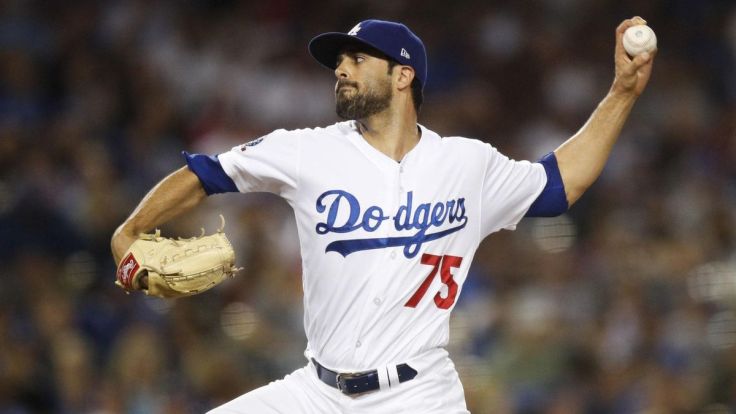
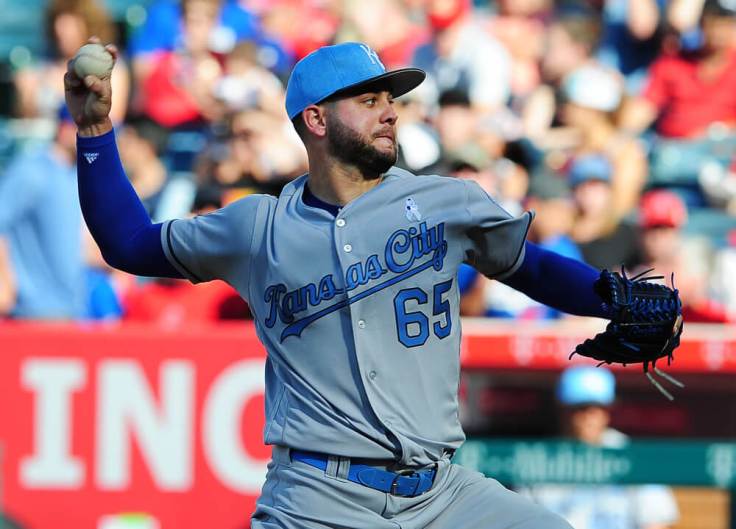
Scott Alexander has also had an up and down year during his inaugural year in Los Angeles. Alexander struggled in the first month of the season, posting a 6.35 ERA while batters were hitting .286/.412/.381 off of him over 11.1 innings. Alexander would even get sent down to the minors for a short spell to right the ship.
Luckily for him, he would turn things around in May. Since May 9, Alexander has a 2.25 ERA and has held hitters to a line of .214/.285/.304 while keeping the ball on the ground. In fact, throughout the month of June he only allowed one fly ball the entire month. One!
Alexander has essentially returned to form and is now a vital part of the Dodgers bullpen. He was even used as an “opener” for Los Angeles, as they attempted to thwart the Rockies use of a bunch of lefties at the top of the order. It doesn’t matter what role he is inserted in, as it appears Dodgers fans are starting to see the pitcher who might have been the most valuable arm for the Royals in 2017.

Speaking of valuable, Joakim Soria has been just that for the White Sox this year. Soria has a 2.75 ERA, 149 ERA+ and a 2.20 FIP so far in 2018. He has already almost reached his fWAR total from last year (1.2 to 1.7) in 20 less innings and has seen a major increase in his soft hit rate, bumping up this year to 29.6% from 18.4% in 2017. Soria will probably be dealt before the July trade deadline and should help the White Sox pick up a nice return for him.
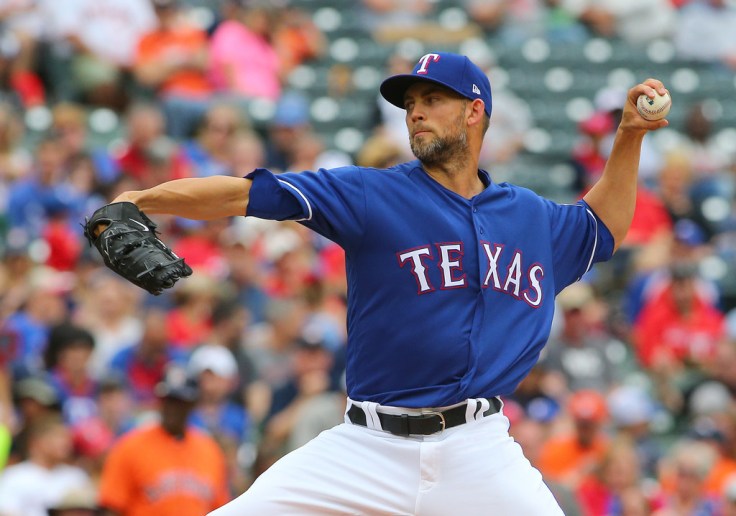
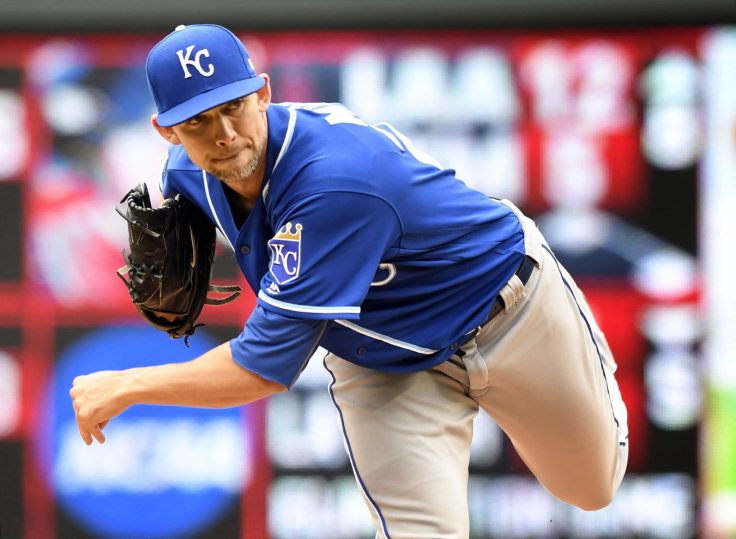
Mike Minor’s return to starting has been a mixed bag. Minor signed with the Rangers this past winter and has started all 18 of his appearances so far this year. While the expectation was that some of his numbers would see a decline this year due to his change in roles, it hasn’t completely been a bad move.
Minor has seen his strike out rate fall and his hard hit rate increase, but his walk rate has actually gone down. In fact if you compare his numbers this year against his time as a starter with Atlanta, he is either on par with what he was doing back then or slightly better.
But at the end of the day, it appears Minor has more value as a reliever, as evidenced by his WPA of -0.42, compared to last year’s 1.97 in Kansas City. Minor wanted to be a reliever and got his wish, but one has to wonder where he would be if he had stayed in the bullpen.
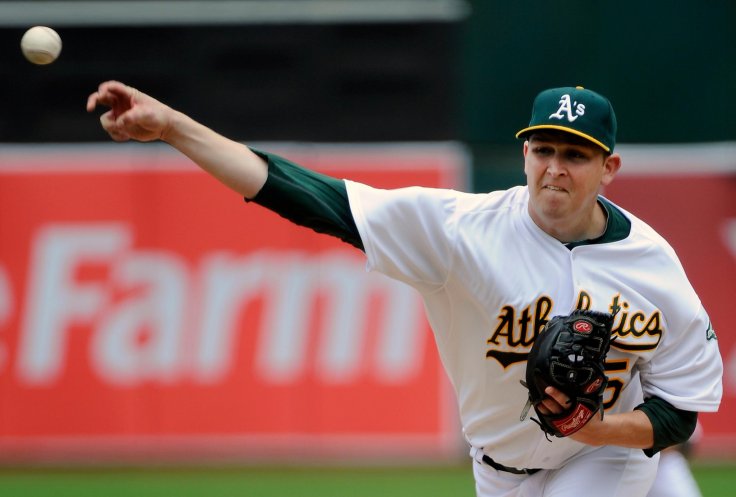
There have been some other former Royals who have had interesting seasons. Trevor Cahill has performed admirably for Oakland this year, as he has an ERA of 3.10 while increasing his strike outs and lowering his walks. Unfortunately, he has only started nine games due to injury, tossing 52.1 innings.
Ryan Buchter also missed some time due to injury but returned to the A’s in late June and since then has lowered his ERA to below 2.00 while lowering his walks and seeing an uptick in K’s.
Sam Gaviglio has become a regular part of the Blue Jays rotation but is still performing slightly below league average. Luke Farrell has become a valuable arm out of the Cubs bullpen and Matt Strahm has become what many of us feared he could be when he was traded to San Diego last summer.

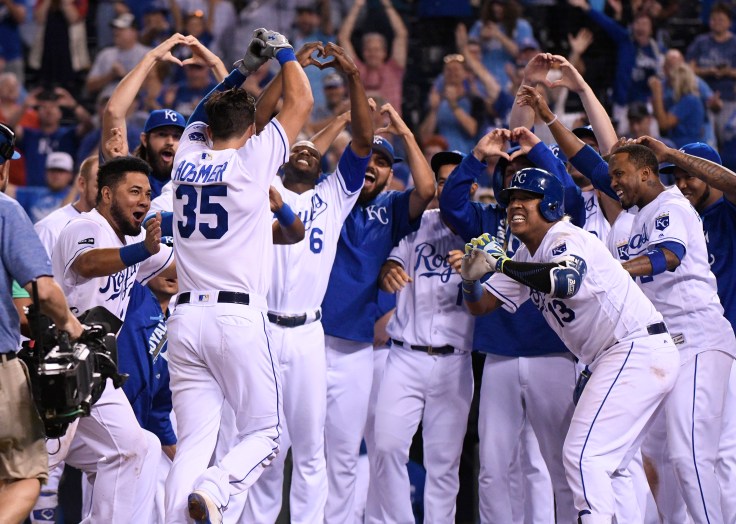
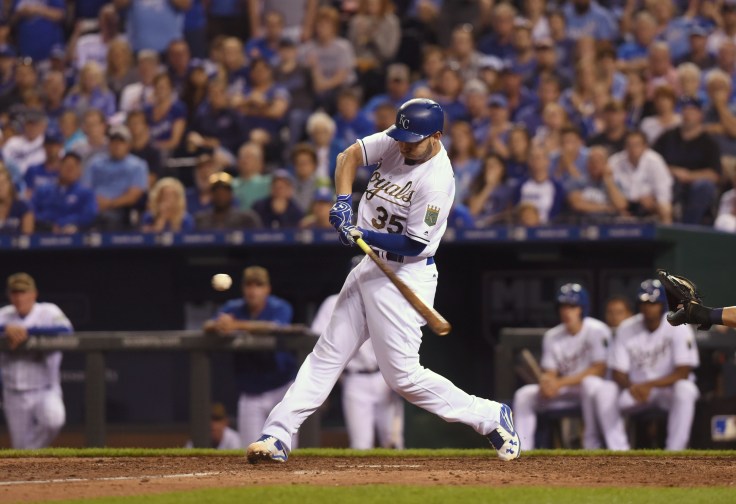
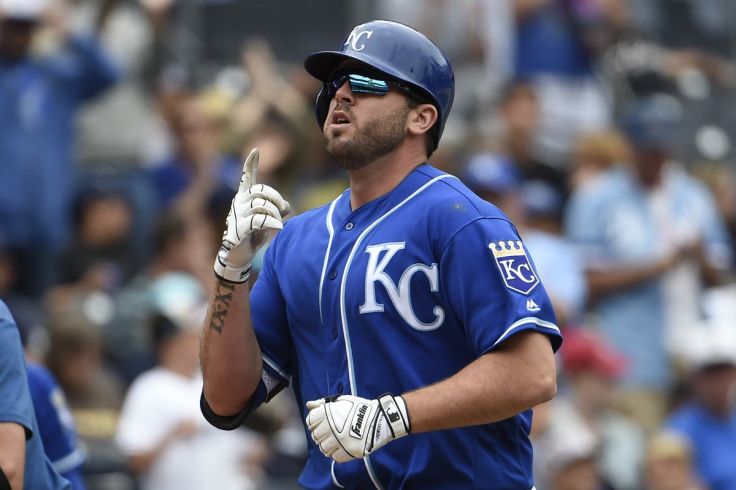
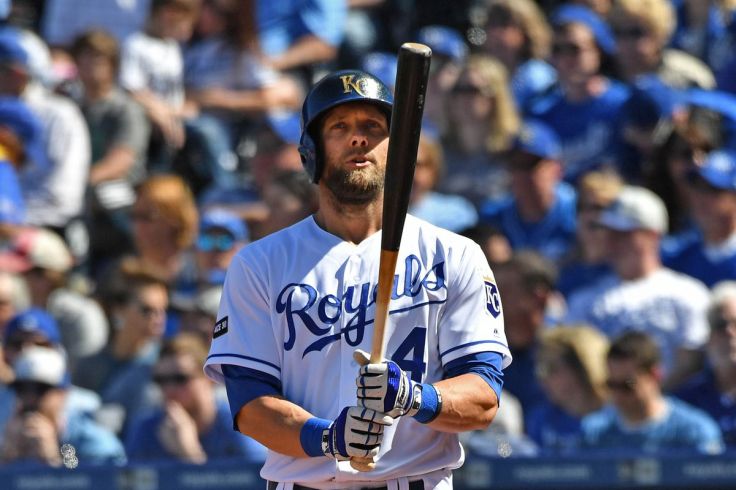
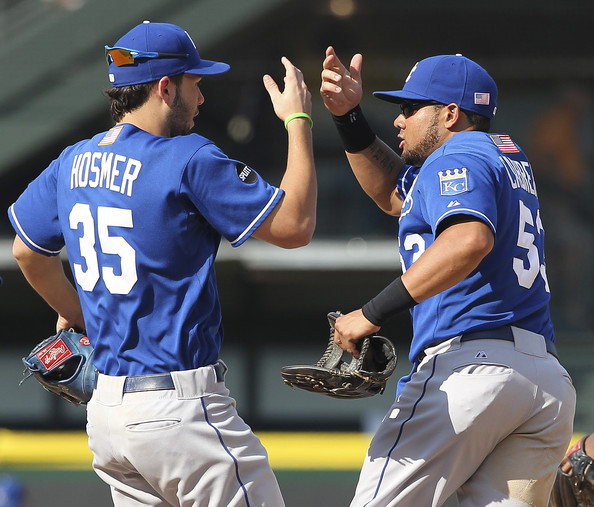
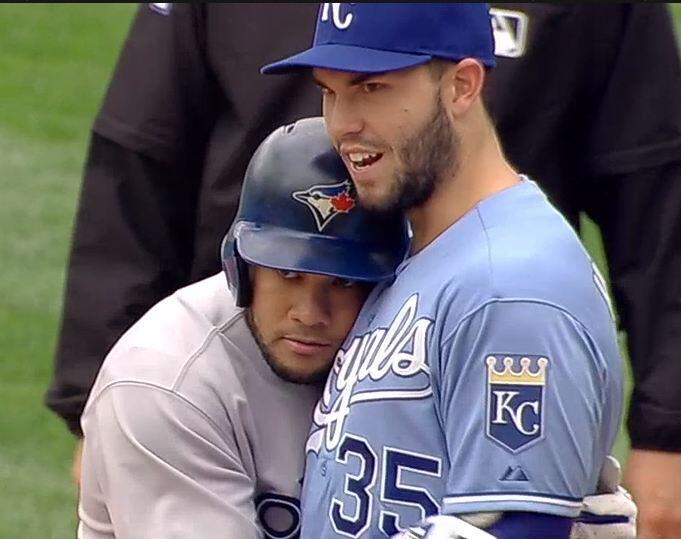
But the name that most are interested in is Eric Hosmer and what he has done for the Padres this year. This has not been a magical year for the “Man Called Hos”, as he is hitting a lowly .249/.317/.397 with a -0.1 fWAR.
In fact, Hosmer is on pace for the second worst offensive season of his career, behind only his miserable 2012. His walks are down, strike outs are up and his wRC+ is at 95. Hosmer has gotten away from hitting the ball to the opposite field, as he is only hitting the ball to left field 27.3%. The only two seasons he has hit oppo less is 2014 and 2012, his two worst seasons in the big leagues.
But the number that really speaks of Hosmer’s struggles is the same one we have been talking about for years, his groundball rate. He currently is hitting the ball on the ground 61.9%, the highest of his career. For all the talk these last few years that Hosmer would leave Kansas City and start hitting the ball in the air, it appears things have actually tilted the opposite direction.
The funny part is that Hosmer has known for years he should be hitting the ball in the air more, yet his fly ball rate has been declining these last few years. Here is a quote from 2017 where Hosmer admits he should be taking to the air more:
“You look at the averages and all that, it’s definitely better with the ball in the air,” he said. “Most guys, especially power hitters, are trying to hit the ball in the air. Our stadium is playing a little different, it’s bigger out there, but still, somebody in my spot in the lineup, and type of hitter I am, I should definitely be trying to hit the ball in the air.”
So this notion that he would change his style as soon as he left Kansas City and Kauffman Stadium always felt like wishful thinking. A change could still happen, but right now Hosmer looks to be stuck in one of his infamous cold spells that last for weeks on end. The good news for him is that he will still get paid $20 million this year and has lots of time left on his contract to figure things out…or at least the Padres hope he figures it out.
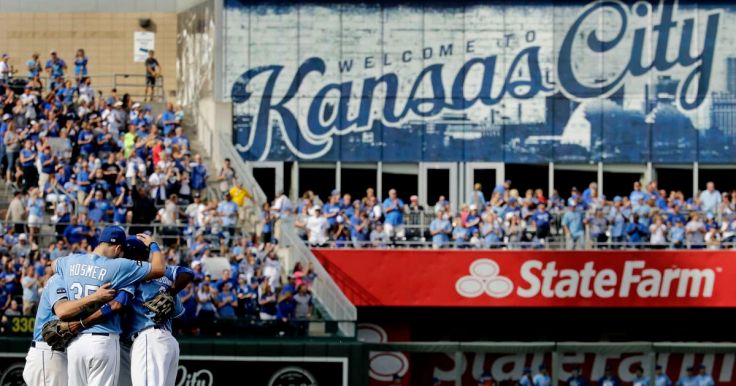
So after seeing all the talent that Kansas City lost this past winter, it’s easy to see how the Royals are on pace for the worst season in team history. The combination of losing some key pieces while their substitutions are performing either at or below replacement level is a good way to post a .284 winning percentage.
So while there is little joy in Mudville (Kansas City), feel safe in knowing that a number of former Royals are excelling in their new homes. It’s not hard to still cheer for the Cain’s and Soria’s of the world and there is a bit of solace in seeing them performing so well, even if it isn’t in royal blue. There is absolutely nothing wrong with cheering on our old friends from afar. Except for Neifi Perez. He is still the worst.









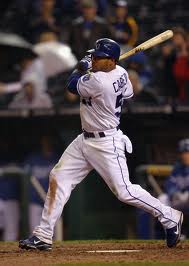 Once Dayton Moore took over as General Manager of the Royals, the team moved to sign better players and would pay them extra to come to Kansas City. The problem was that Dayton was signing level B and sometimes C or D free agents and practically giving them the keys to the city. Gil Meche was the first of these signings and if it wasn’t for former Manager Trey Hillman misusing him, the team would have gotten their money’s worth of that deal. Since then we have been abused with the ultimate clubhouse cancer Jose Guillen and Jason “Rewind Yourself” Kendall. It is almost like Moore felt like players of that level was the best they could do. I guess that is part of the problem here. When you believe that, everyone else will believe that as well.
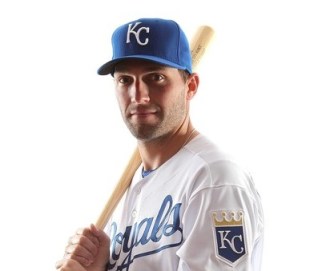 Now, to be fair, some of Dayton’s signings have worked. Bruce Chen was picked up off the trash heap and up until 2012, seemed to be playing above himself. Chen was signed at a low cost, but high value with both his play on the field and his jokes in the clubhouse. Unfortunately, he was then given a two year contract that has seemed to be one of many albatrosses around the Royals financial neck. Melky Cabrera and Jeff Francoeur were two former Atlanta Braves that seemed to be on the downside of their once promising careers. A move to Kansas City in 2011 seemed to be a godsend as both players played above their past performances and helped solidified both the lineup and the outfield. Francoeur would sign an extension that seemed questionable at the time and horrific in the present, while Melky would be traded to San Francisco, have the best first half of his career, win the All Star Game MVP, then get busted for PED use. These two signings worked wonders for 2011, but looked awful by May of this past year. The Royals are a team that should constantly be looking to rebuild players who just need a new environment, but need to be selective about these signings as well.
 So this leads us to this offseason, where everyone and their mother is aware that the Royals want(and desperately need) pitching. We’ve heard over and over that the Royals will have to overpay or give a player extra years to get them to come pitch in Kansas City, but is that true? I know some scoff at this, but I believe it is. The Royals have a really good nucleus of young talent, with Perez, Escobar, Moustakas and Hosmer added to lineup mainstays like Gordon and Butler. The thinking is that if the Royals could just get some pitching, this team could make a run at the playoffs. There have been a number of pitching talents on the free agent market this winter, and some have signed for very cheap money. Brandon McCarthy just signed a two year deal with Arizona for $15.5 million. The Royals easily could have afforded just under $8 million a year, especially considering that they will be paying Ervin Santana $12 million for in 2013. Edwin Jackson is still on the market as is Shawn Marcum. Both could garner a one or two year deal for right around that same amount of money. Instead, the Royals seem content shopping top prospect Wil Myers in a deal for a top starter. That is all fine and good if they are able to pull in a David Price or any other top of the rotation starter. But the names being floated around aren’t of that ilk. All we hear are the Shields’, Dickey’s and Lester’s of the world. All are fine pitchers and better than anything the Royals have now, but are they worth losing the next six years of Myers? Um, no.
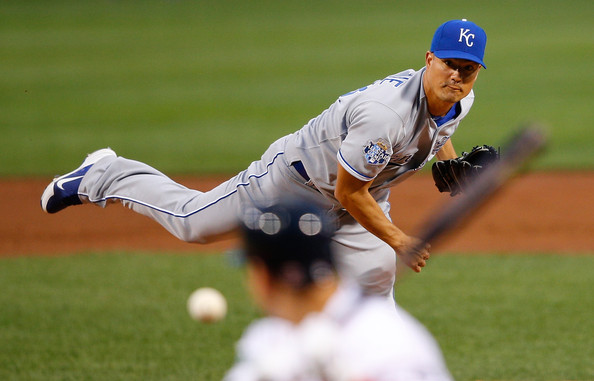 So why aren’t these pitchers coming to Kansas City? Well, I do believe part of it is Dayton Moore hasn’t really pushed for them. Ryan Dempster’s name has been tossed around, and the team offered him more than the Red Sox have. But he also wanted a third year on the deal, while Kansas City has only been willing to go two. I agree with them only wanting to give him two, as he is in his mid 30’s and had a hard time adjusting to the American League this year. But I have to believe part of why he won’t come to Kansas City is because this team just doesn’t win. Seventeen of the last eighteen seasons have been losing seasons in KC, and with the management in charge now, it would appear we are gearing up for season eighteen of nineteen. Most players want to win, but can be swayed away from winning if it means more money. If you aren’t getting the top dollar, you don’t want to sign with a perennial loser unless you think they have turned a corner. The Royals took a side road in 2012 and their road map didn’t seem to ever steer them onto the right highway. Players notice that and the losing atmosphere does not endear players to want to sign with the Royals.
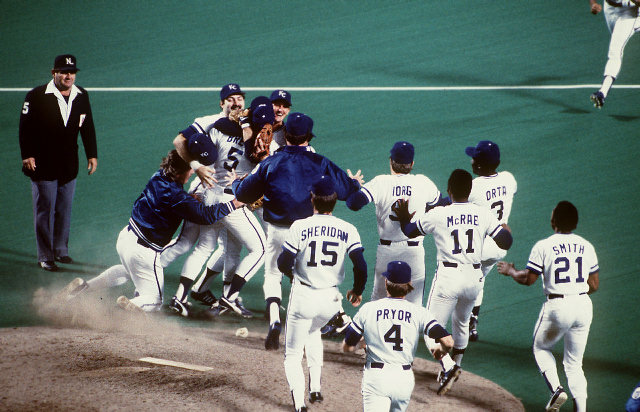 So yes, the Royals do have to overpay to get major name free agents to play in Kansas City. Or at least they will until they put together another winning season. Having management value the wrong players will hurt as well, but until those members are gone( [cough] Dayton) we are stuck with a team that can’t even compete with the Baltimore’s and Brewer’s of the world. One day this awful cycle will be undone and the Royals will be a winning franchise again. Let’s hope this happens sooner than later.
 Bleeding Royal Blue