Hi, my name is Sean and I am addicted to ‘Out of the Park Baseball’. What is that, you might be asking? Here is the tagline they use on their website:
Out of the Park Baseball is the best baseball management game ever created. Can you guide your favorite baseball team to glory? Win the World Series and build a dynasty?
In other words, OOTP Baseball is the “World’s most realistic sports simulation game”. There are a number of different options of how you can you play this game: you can be the manager, the General Manager, you can play a real league, a fictional league, or an international league…and that is just the tip of the iceberg. If you have ever wanted to know how you would do managing and/or running a major league team, this is the game for you. The thing is, once you get into it, it’s hard to stop. Last year I started a Kansas City Royals franchise, beginning with the 2016 season. That wasn’t a banner season for my team, as they struggled with injuries and a bit of regression, finishing the year 76-86. So going into 2017, I had the majority of the same roster with a number of minor tweaks. Much like the real life Royals, I knew after the season I was going to have a hard time re-signing a large chunk of the core group, but was hopeful they could get off to a good start and put myself in a good position after the season. Unfortunately, that did not happen.
Instead, I got off to a horrible start. My team went 4-14 in April and while the offense was struggling (once again, sound familiar?) the pitching is what was really hurting me. My starters ERA was over 5.00, relievers were close to 5.00. I knew I would be wheeling and dealing, but wasn’t for sure when I would start the fire sale. I had made a few minor trades in May: I dealt Jason Vargas to the A’s and Alcides Escobar to Arizona, picking up Ryan Madson and Mitch Haniger. Nothing ground shaking but slight adjustments. But on May 24th, with my team 12-26 and 12.5 games out of first place in the American League Central, the fire sale begun. Within a matter of days, I had dealt Eric Hosmer, Lorenzo Cain, Kendrys Morales, Kris Medlen, Jason Frasor and Jarrod Dyson. In return, I went out and made my team younger (and coincidentally, cheaper). For those players I was able to acquire Cody Bellinger, Aaron Sanchez, Randall Grichuk, Blake Snell and Lucas Giolito. In one fell swoop I had improved my rotation while also re-stocking my lineup with enough young talent to keep a low payroll for at least a couple of years. I also recalled a number of young prospects to fill out the team, as Kyle Zimmer, Bubba Starling and Ryan O’Hearn all became regulars on my team. I figured if I was going young, might as well go all the way. I accepted that my team would be bad for at least the remainder of the 2017 season, but I would reap the benefits in the future. My goal was to let these players play and let them get the experience they needed. So how is that working out?
My team, as expected, is still bad. My record on June 5th (when the final deal went through) sat at 15-33; since then I am 12-16. It’s still under .500, but there has been a slight uptick. The youngsters are struggling at times, but at other times they are excelling. The starting pitchers will have a good outing followed by a bad one, while the hitters will go through a stretch where you see improvement while struggling just a few games later. I understand it is a process and don’t expect a huge improvement instantly. Speaking of, my pitching numbers have slightly picked up since all the trades were made and between that and the defense, there have been less blowouts and more close games, which have been split when it comes to success rate. Instant gratification won’t be found here, but I feel better about my team’s future and feel I did the proper moves to help my team in the future. That is where the connection to the real life Royals comes in.
This whole article has been building to this one big question: how does this game I play reflect on what is going on in real life this season for the Kansas City Royals? Very simply, the Royals are playing themselves out of contention this year and pushing themselves in the direction of a seller rather than a buyer at the trade deadline. Do I think Kansas City can go out, deal their valuable parts the way I did and get about the same return? Probably not. Mine is a game on a computer that has different values than a real GM and also is missing out on the human element. I was able to acquire top-notch prospects like Bellinger and Giolito; the Royals could only hope to pick up prospects of that ilk. But what they can do is get what they can and decide if what is being offered for the likes of Hosmer, Cain, etc. is better or less than the draft pick they may (or may not) get the following year. It is a tough line to straddle and I don’t envy the position that Dayton Moore is in. I struggled with my game on whether I wanted to throw up the white flag or move on. Eventually, I gave in and decided to start the rebuild now. In my estimation, that was a better route for my team; what is the better direction for the Royals in real life?
Here is the honest truth: this time next year, the Royals will look completely different from where they currently stand. Royals fans need to brace for the fact that there is a good chance the team isn’t able to keep Cain, or Hosmer, or Moustakas or Escobar…and that’s not a bad thing. While rebuilding is scary, it is also a reality in today’s game, unless you are a team with endless money. In my eyes, if this Royals team is still slumbering around by late June, then they are probably better dealing off what they can and start moving in whatever the next direction is for this team. Avoiding the inevitable only makes for more suffering and bigger heartbreak. It might appear on the surface that it is easier to tear down a team on a computer simulated game; in reality, it is not as hard to do in real life, with focus, determination and a clear, precise direction. The first question Moore needs to ask himself (and he probably already has) should be ‘where do we want to be ‘x’ years down the road?’, which should be followed by ‘how do we get to that point?’. Start there and begin to move forward. We are getting closer and closer to just pulling off the band-aid and dealing with the pain.
Ah, yes…Opening Day is upon us as we embark on a new Major League Baseball season. For the majority of teams, this is a time of hope and optimism. For a few, there is more of a glance to the future than the present. As baseball fans, every year we throw out our predictions, hoping by mid-season they aren’t a big colossal mass of hilarity. I don’t take my predictions super-serious, but I’m always hopeful that I am at least within the vicinity of reality. So without further ado, my predictions for the upcoming season.
American League East
Boston Red Sox
Toronto Blue Jays
Tampa Bay Rays
New York Yankees
Baltimore Orioles
American League Central
Cleveland Indians
Kansas City Royals
Detroit Tigers
Minnesota Twins
Chicago White Sox
American League West
Houston Astros
Texas Rangers
Seattle Mariners
Los Angeles Angels
Oakland A’s
National League East
Washington Nationals
New York Mets
Miami Marlins
Philadelphia Phillies
Atlanta Braves
National League Central
Chicago Cubs
St. Louis Cardinals
Pittsburgh Pirates
Cincinnati Reds
Milwaukee Brewers
National League West
Los Angeles Dodgers
San Francisco Giants
Colorado Rockies
Arizona Diamondbacks
San Diego Padres
Awards
American League MVP: Carlos Correa, Houston
American League Cy Young: Marcus Stroman, Toronto
American League Rookie of the Year: Andrew Benintendi, Boston
National League MVP: Paul Goldschmidt, Arizona
National League Cy Young: Clayton Kershaw, Los Angeles
National League Rookie of the Year: Cody Bellinger, Los Angeles
Playoff Teams
American League
Division Winners: Boston, Cleveland, Houston
Wild Cards: Toronto, Kansas City
American League Champions: Toronto
National League
Division Winners: Washington, Chicago, Los Angeles
Wild Cards: New York, San Francisco
National League Champions: Washington
Am I super confident about my picks? Nope. Baseball is a funny thing, largely because of the length of the season. There are so many twists and turns that there is no way to truly predict how it will all shake down. What I can say with confidence is that another fun, memorable season is getting ready to start and I can’t wait. The best part about baseball is the storyline that it revolves around. I can’t wait to see how this whole thing unfolds. Last October, we had a great Cleveland/Chicago World Series; what do the baseball God’s have in store for us this year? Truly, only time will tell.
You know it has been a slow winter for the Kansas City Royals when two moves in one week feels like a tidal wave. It all kicked off earlier this week as Kansas City picked up Peter O’Brien from Arizona and was capped off Friday afternoon, as Royals fan favorite Jarrod Dyson was dealt to Seattle for pitcher Nate Karns. So what did the Royals get and how does it affect the team moving forward? Let’s dive in!
On Tuesday, the Royals acquired Peter O’Brien from the Diamondbacks for minor league pitcher Sam Lewis. O’Brien was once a top prospect in the Yankees farm system but was traded to Arizona in 2014 and has only seen 36 games of big league action. In that short span he hit just .176/.228/.446 with 6 home runs, 12 RBI’s and a-0.4 fWAR. Over five minor league seasons, he hit .269/.317/.532 with 116 home runs (which for those that struggle with math, an average of about 23 a season). O’Brien was originally a catcher in New York’s system but at this point is primarily an outfielder when on defense. It’s obvious by the numbers that O’Brien’s big catch is his power, as he has slugged over .500 at every level in the minor leagues. His power is why teams will give him chances over and over again. There are flaws in his game, as obviously defensively he probably is best suited to be a DH, which tells you a lot right there. O’Brien has been adequate in the short amount of time he has seen at first base, which makes me think he is probably a Billy Butler type at first (which is not completely a knock; Butler worked hard to become an average defensive first baseman). O’Brien, like most sluggers, strikes out quite often and isn’t too fond of walks; it’s easy to see why teams are both enamored with and frustrated with him at the same time. His numbers have been a tad better against left-handed pitching and one has to wonder if he would be best suited in a platoon type situation where his flaws might not be as noticeable. The good news is he will only be entering his age 26 season (he’ll turn 27 in July) and the Royals are starving for some power in their lineup. Meanwhile, Sam Lewis was the pitcher given up by the Royals for O’Brien, and he is coming off a good season, where he threw 44 innings, with an ERA of 1.62, a WHIP of 0.857 and a 5.57 strike out to walk ratio. I don’t know if there was much of a future for Lewis in Kansas City, so trading an extra arm in the system for a guy who could help the big league club is plus-plus in my book. I don’t know if O’Brien will be helping the big league club to start off the season, but it’s a good bat to keep around and see if the Kansas City coaching staff can work out some of the kinks in his swing. Overall, good trade by Moore.
Karns is entering his age 29 season and is coming off a lackluster 2016. Over 22 games in Seattle, Karns posted a 5.15 ERA over 94 innings, with an ERA+ of 79, WHIP of 1.484 with a 2.24 strike out to walk ratio. Karns has plus velocity, averaging around 93 on his fastball last year (92.2 mph over his career) and can gun it up to the upper 90’s on occasion. Karns did deal with some injury issues in 2016:
Karns had some back issues last season but Dayton Moore said Karns has had no restrictions working out this off-season. #Royals
He has also had some command issues and (for right now) will be competing for the Royals 5th starter job. One of the reasons that Moore had his eye on Karns for awhile (they tried to work out a deal for him during the Winter Meetings) is contract control:
Karns is a 29-year-old with plus fastball and decent curve. Under club control through 2020. #Royals
It’s obvious with all of the Royals trades this winter that Moore is looking for players who will fit on the roster past 2017, as the club will be losing a number of key players after this season. While Karns has been a starter, a big part of me wonders if he would be better suited out of the pen and could be a bit like Wade Davis when Kansas City acquired him. If you remember back to that trade, Davis was coming off of a good season out of the bullpen in Tampa but Kansas City wanted to try him in the rotation. Davis struggled as a starter, was moved back to the pen and became one of the best relievers in the game. Karns probably won’t reach the heights that Wade did, but a guy with a plus fastball being used in the back-end of the bullpen can be a big positive for a team like the Royals, who are trying to rebuild their pen this winter. Overall, I like the trade and think Kansas City got a quality arm for Dyson.
I would be remiss a bit if I didn’t mention the value that Kansas City is losing with Dyson. While not a regular in the outfield during his time in Kansas City, Dyson was an important cog on the Royals world championship team and a vital part of the team. In fact, Dyson led the Royals offense in bWAR in 2016, at 3.1. Dyson was a fan favorite but it appeared for a awhile now that his days in Kansas City were numbered, as he will be a free agent at the end of the season, the team had a surplus of outfielders and losing his contract would free up some payroll issues. We all have our favorite Dyson moments, although many of them occurred on the basepaths. Dyson has plus speed and you always knew business was picking up (thanks, JR) when Dyson would enter the game as a pinch runner. While the Royals have a suitable replacement on the field in Billy Burns (a comparable player), Dyson will mostly be missed in the clubhouse and by the organization:
Dyson will be missed, but this game constantly moves on. I’ve long thought fans are going to have a hard time when the players from the 2015 Royals start departing, since we fans get attached to them. Dyson’s a perfect example of a player who will live long in the heart of Kansas City baseball.
Two moves in one week for Dayton Moore and both are quality moves. He is under a number crunch with this year’s payroll and acquisitions like this help soften the payroll while also trying to improve the team that will take the field this spring. It’s obvious that Moore is trying to get players who can help the team beyond 2017 without completely tearing down the roster and starting over in 2018. O’Brien and Karns could both be additions that could help the Royals do just that. Not every deal has to be a blockbuster that shakes up the structure of the team; sometimes you just need small pieces to fill out the puzzle.
Here we are: we are in the section of Spring Training where you can see the upcoming regular season on the horizon, but it is still far enough away that you just wish you could fast forward to games that actually count. Luckily, this also means we are close enough to camps heading north that we have a decent idea of how most team’s rosters will look. Every year I take my stab at how I think the season unfold, mostly with comical results. Here is my 2014 and 2015 predictions if you are looking for a good laugh(although I did guess fairly well on the playoff teams in 2014). I do want to reiterate one nugget of information that I’ve been preaching about the last few years: predictions are just guesses. This is just simply a fun little exercise I do before the season starts for me to look back on in October and see how far off I was. It is purely fun and that is how it should be taken. So here we go; my guesstimation of the 2016 season!
American League East
Toronto Blue Jays
Boston Red Sox
New York Yankees
Tampa Bay Rays
Baltimore Orioles
Last year I felt like no one AL East team stood out from the rest and any one of those teams could step up and win the division. There is still a feeling of an openness, but with a little more division in the way of talent. The Blue Jays look to be the team to beat, as they are returning a large portion of their division winning team and have a top-notch offense to carry their team. While Boston returns most of their roster that struggled in 2015, there is a belief that there is no way they are as bad this year…especially now that Hanley Ramirez is not in the outfield and they have David Price anchoring the rotation. The Yankees could make a run again, as they have one of the deepest bullpens in baseball. My main issue with them is the aging stars(Beltran, Sabathia, A-Rod, etc.) holding back the rest of the team. Tampa has some great pitching but what will they be able to do offensively? Then there is Baltimore. I want to root for the Orioles to surprise everyone this year, but I’m not for sure it will happen. Sure, Chris Davis is back(which I think is good) but not much has been added to the roster. Pedro Alvarez and Mark Trumbo might add some needed pop, but what will Baltimore lose if/when either plays on defense? Yovanni Gallardo will give the team innings, but how efficient will he be? As you can see, there seems to be more questions than answers with Baltimore, and that scares me.
American League Central
Kansas City Royals
Minnesota Twins
Cleveland Indians
Detroit Tigers
Chicago White Sox
This is always my hardest division to pick, as I am a lifelong Royals fan. Saying that, the last two years I have not picked the Royals to get to the playoffs and both years they made it to the World Series. So why pick them now? In all honesty, I really believe they have the most talent of any team in the division, thus my pick to sit on top of the AL Central. Behind them I see a cat fight for second between the Twins and Indians. I’ve gone back and forth on who should be where, but alas I went with Minny in second and Cleveland third, as I really like(fear?) the talent accumulated in the ‘Twin Cities’. Detroit and Chicago bring up the back of this division in my mind, as Detroit still feels really old to me(even with the acquisitions of Upton and Zimmermann) and despite Chicago overhauling their offense, they still don’t feel like a playoff caliber team. The interesting part here is that I could easily see a scenario where this division could be a dog fight, with five teams within 5-8 games of each other. Right now though, until someone knocks off the Royals, they have to be the favorites.
American League West
Houston Astros
Texas Rangers
Seattle Mariners
Los Angeles Angels
Oakland A’s
The West should be a fun division this year, if for no other reason than to see if it is competitive or if the Astros and Rangers dominate the division. Houston has to be the favorite this year, as they not only will try to build off their playoff run in ’15, but also will have Carlos Correa and Lance McCullers(once he returns from injury) from day one of the season. I really like what the Rangers management has done with this team and tend to believe they will be a serious contender this year, especially if Yu Darvish is able to return to his old form. Jerry DiPoto has done an admirable job trying to fix the Mariners roster, but it feels like an uphill battle for the team this year, with success more likely in the future. What can you say about the Angels and A’s? I would probably have the Angels in last if not for Mike Trout and his ability to carry this team on his back. But Angel’s management is a mess and only slightly worse than their farm system. The A’s seem to just be biding time until their next wave of prospects can start infiltrating the major league roster. Oakland might not be as bad as they were last year, but I can’t see them being serious contenders in 2016.
(Credit: David Kohl-USA TODAY)
National League East
Washington Nationals
New York Mets
Miami Marlins
Atlanta Braves
Philadelphia Phillies
Last year was supposed to be the Nationals’ year, as many(myself included) figured they would end up in the World Series. Instead, a late season collapse left them on the outside looking in and costing Matt Williams his job. Now Washington has retooled their roster while adding known players’ manager Dusty Baker to the fold. While Baker is about as old school as they come, players love him and I tend to think he will make a big difference in that locker room this year while losing some of the team’s tension. The Mets will be right on their tail and look to repeat as National League Champions this year. The Mets pitching will take them far, but the offense will be the real deciding factor in New York. Miami has added a new manager(Don Mattingly) and a new hitting coach(Barry Bonds) to shake up a young and talented Miami team. One has to be curious as to how lethal the Marlins could be if they can get a full season out of Jose Fernandez and Giancarlo Stanton. Atlanta stocked up on prospects this winter and are left with Freddie Freeman and a cast of other players for the Braves this year. They might not make much noise this season, but the Braves are looking good in the next couple of years. The Phillies? Well, they won’t be very good but a few steps were taken to improve on a dreadful 2015. So there is that.
National League Central
Chicago Cubs
Pittsburgh Pirates
St. Louis Cardinals
Milwaukee Brewers
Cincinnati Reds
2015 saw the NL Central send three teams to the playoffs. I have to believe that won’t happen two years in a row, which might leave the Cardinals missing the playoffs this year. The Cubs are the early on favorites not only to win the Central, but also to win the World Series. One has to think Chicago will grow on their stellar 2015 and are looking to win their first world championships since 1908. The Pirates will look to be hot on the Cubs heels and it’s hard to argue with the success this team has had the last couple of seasons. My guess is that Pittsburgh will join Chicago in the playoffs comes October. That would leave the Cardinals on the outside looking in, as they lost more than they gained this past offseason and are betting on a number of veterans like Matt Holliday and Yadier Molina to bounce back this year and stay healthy for the Cardinals to be real contenders. That being said, I find it hard to count St. Louis out. The Brewers won’t be horrible but they won’t be great and the Reds from the outside look to have a few good pieces but are multiple players away from being contenders.
National League West
San Francisco Giants
Los Angeles Dodgers
Arizona Diamondbacks
San Diego Padres
Colorado Rockies
The West could be a lot of fun this summer and I could envision a scenario where the top three teams in the league could be shuffled in any order. My pick is for the Giants to come out on top, as they bolstered their starting pitching with the acquisitions of Johnny Cueto and Jeff Samardzija and adding Denard Span to help the defense. Throw in their main nucleus of Buster Posey, Hunter Pence, Brandon Belt and Madison Bumgarner, and give them a future Hall of Fame manager(Bruce Bochy), and you have the makings of a division title. Oh, and the Giants win in even years; there is that too. The Dodgers look to be in the discussion as they have Kenta Maeda replace Zack Greinke in the rotation while their best pick up this winter being manager Dave Roberts. The Dodgers will be in the running but chemistry is a big part of their story yet again this year. Arizona went out this offseason and made some good transactions(Greinke) and some head-scratchers(Jean Segura??). How far the Diamondbacks go this year will be determined by how the younger talents like AJ Pollock and Patrick Corbin perform. At this point San Diego and Colorado are afterthoughts. Neither seem to have much direction nor a captain to steer them away from rocky weather. It could be a long season for fans of both.
Awards
(Credit: Joy R. Absalon-USA TODAY)
American League
MVP: Manny Machado
Cy Young: Chris Archer
Rookie of the Year: Byron Buxton
National League
MVP: Giancarlo Stanton
Cy Young: Jacob deGrom
Rookie of the Year: Corey Seager
Playoff Teams
(AP Photo/Jeff Roberson)
American League
Toronto, Kansas City, Houston, Texas, Minnesota
National League
Washington, Chicago, San Francisco, Pittsburgh, New York
So there are my guesses on the upcoming 2016 campaign. I look forward to revisiting this come October and laughing about how far off I was. One of the great things about baseball is every spring we make our predictions on how we think things will evolve, yet we rarely guess correctly. I love the fact that they play six months of games to determine who plays in the final month and what happens in April doesn’t always dictate what occurs in October. The season is a grind and much like a good book it will have a ton of twists and turns to question just where your team ends up. There is a reason they play the games; what would be the fun of the season being decided by guesses? The drama of baseball is what keeps bringing us back and keeps us on our toes. I love this damn game and can’t wait to see how this season unfolds. I can promise you this; you won’t see it coming. Play ball!
Sometimes things are so inevitable that they will happen no matter the circumstances. For the last week plus we have heard about the Kansas City Royals interest in free agent righty Ian Kennedy and on Saturday morning they pulled the trigger on a 5 year, $70 million dollar deal.
Source confirms: Kennedy to #Royals, five years, $70M – and with an opt-out after two seasons. First reported: @jonheyman.
The deal does have an opt out after year two(appears to be a player option) which would be after the 2017 season, where the Royals would already have Wade Davis, Lorenzo Cain, Eric Hosmer, Mike Moustakas and Alcides Escobar possibly eligible for free agency. This obviously means the Royals are taking advantage of the two year window in front of them and adding another arm to the rotation was at the top of the list for General Manager Dayton Moore. There are a number of immediate questions about Kennedy(as well as some positives), but first let’s give you an idea of just who Ian Kennedy really is.
Ian Kennedy is going into his 31 year old season as a former big time prospect in the New York Yankees organization who has toiled in the majors since 2007. His best season to date is the 2011 campaign, where he went 21-4 for the Diamondbacks, striking out 8.03 batters per 9, a 2.88 ERA, an ERA+ of 137 and 4.8 WAR. Unfortunately, that 2011 season seems to be the outlier of Kennedy’s career, as he has been a fairly mediocre starter throughout his time in the big leagues, including three straight seasons of being a below average pitcher from 2013-2015. That being said, there are plusses and minuses to the signing.
Let’s start with the giant pink elephant in the room: home runs. Last year, Kennedy gave up 31 home runs, 19 in his home field of Petco Park. Yes, the Petco park that is considered a major pitchers park. For whatever reason, balls flew out of that place at a higher rate last year, and Kennedy and former Padres teammate James Shields paid the price for the increase. In fact, Kennedy allowed home runs on 17% of his fly balls in 2015, only toppled by Shields and Kyle Kendrick, with a difference of only less than half of one percentage point. Yes, it appeared that balls flew out of Petco last year, but giving up that many home runs is still a blemish on the stat board and has to be taken into consideration. It appears that the Royals scouts and front office believe that playing in Kauffman Stadium, which has a low home run rate, plus adding in the Royals stellar defense in the outfield will help Kennedy with some of those fly balls. It’s possible…but as this chart shows, maybe not as much as we would hope:
What the graph shows is that if you took those 31 home runs and moved them to Kauffman, 3/4 of them would still leave the park. Add in that Kennedy won’t be starting all of his games in Kansas City, and…well, you can see why there is some worry.
Now, I feel like I can’t paint the ‘Ian Kennedy picture’ without mentioning some of the positives. For one, his K/9 rate the last has been above 8 for three straight seasons and has been sitting at a steady 9.3 for the last two. The guy has noticed an uptick in his velocity and it has shown in his strikeout numbers. But the increase in velocity has also accounted for a high hard-hit rate, which normally means a low soft-hit rate. In fact, Kennedy has not a hard-hit % below 30% since…you guessed it, that great 2011 season. In other words, when batters do make contact off of Kennedy, they are getting good wood on the ball. That makes it harder to keep the scoring down and also hurts the chances of a pitcher pitching deeper into the game. Last year, Kennedy averaged 5.6 innings per start, but over his career he has been a workhouse. Since 2010, the lowest amount of innings Kennedy has accumulated is 168 in 2015, while in that span he has had three seasons over 200 innings(and one at 194). So Kennedy will give you innings, which has long been a goal of Moore when he acquires starting pitchers.
Also, his walk rate went down this past year, down to 2.78 after hovering in the 3’s for the previous two years. So you have a guy who has increased his strikeout rate while lowering his walk rate, which is a plus for any starter in the majors. Kennedy also seemed to improve his statistics in June of last year, possibly due to a shift on the pitching rubber:
The picture on the left is from his last start, the one on the right is from his first start in June. As you can tell, he went from throwing on the 3rd base side of the rubber to the 1st base side. There was a noticeable improvement, as his home runs dipped down and his OPS allowed improved by almost 200 points. I’m sure all of this will be digested by Royals pitching coach Dave Eiland, who within himself is a big part of this puzzle. You see, Kennedy is not a stranger to Eiland:
Ian Kennedy goes to KC, where he'll work with his former pitching coach, Dave Eiland. Big ballpark, strong OF defense for KC will help.
Eiland was the pitching coach for the Yankees when Kennedy made it to the big leagues so Eiland is familiar with him not only from then but back when he had success during his days as a prospect in the New York system. One has to think a big part of Kansas City feeling so confident in giving him this big contract was having Eiland in their back pocket to guide him back to success. Eiland has shown over the years to have a knack of turning questionable pitchers into solid starters by just tweaking the most subtle of things. All you have to look at is Jeremy Guthrie time in Kansas City(before 2015) and most recently Edinson Volquez. If anyone can turn Kennedy around, it would be Eiland.
There is one more positive to the this signing, and that would be durability. Kennedy has been lucky so far in his career and hasn’t had a major arm injury. In fact, Kennedy spent a little bit of time on the disable list last year, but it was for a hamstring strain. Kennedy has been healthy enough to make at least 30 starts in all 6 of his seasons as a regular. Add in the innings totals and at the very least you have a starter that you can count on to take the mound once every five games. Anymore, that is a major victory within itself in this game.
So where do I stand? This is an odd signing in that I am not totally for sure how I feel. I like that the Royals seem to have signed a durable starter who can log some innings for the team before turning it over to the pen. There were times this past season where the starters went four or five innings and were done for the day. I’m not a big fan of a five year deal, but there is the opt out clause after year two, so hopefully Kennedy takes that and the Royals don’t get stuck with the last three years of the contract. For me it’s not even about Kennedy as much as I don’t like giving any pitcher a long-term deal, not with how easy it is to get arm injuries in this day and age. Over his career Kennedy has been about a league average pitcher and I have a feeling that is what Kansas City will get from him this year. I think there will be times he looks really good on the hill, and I think there will be times those hard hit fly balls will leave the playing field. Steamer projections are predicting Kennedy to make 31 starts, logging 182 innings with an ERA of 3.90, an FIP of 4.02 and 2.2 WAR. Honestly, I would take that and would even applaud that kind of season. The best part of the signing is that the Royals showed a willingness to spend money and give them as good a chance as any to keep a contending baseball team on the field. The last few years, Dayton Moore has shown an ability to make questionable acquisitions and have them turn to gold(paging Morales, Kendrys). At this point, if Dayton likes this move than I am on board. I just hope the ride isn’t too bumpy.
April 13, 2015One of the great honors of being a member of the IBWAA is that come September we vote on the season awards, just like the BBWAA. Last year I filled out my first ballot and I learned a few things. One, never turn in your ballot until sometime in the final week. I turned mine in about two weeks early and was kicking myself within a week. Yep, one’s mind can change. Second, there is no way not to take this serious. None. I look at stats all year long, and even still I’m not for sure it compared to the number crunching I did the last two years before turning in my winners. With that said, I was very pleased with the end results and feel confident throwing out how I voted for the year-end awards. So without further ado, here are my picks for the 2015 Major League Baseball season awards.
American League MVP: Mike Trout
I know the consensus was this award should go to Toronto’s Josh Donaldson, and I won’t tell you that is the wrong vote. No, Donaldson is just as deserving as Trout and either vote is a solid vote. That being said, I give Trout the edge for a few reasons. Let’s start with the main stats that everyone loves: They tied for homers, Donaldson had about 30 more RBI’s, Donaldson edged Trout in batting average, while Trout had the advantage in On-Base Percentage and Slugging Percentage(in fact Trout led the league in slugging). Now to the meaty stats: Trout over Donaldson in OPS+, 176 to 155. bWAR has Trout over Donaldson, 9.4 to 8.8. fWAR has Trout slightly edging out Donaldson, 9.0 to 8.7. Donaldson does have the edge defensively by quite a large margin, but not enough that I would give the win to him. All that is a compelling argument for Mike Trout, as most of the numbers are in his favor. But here is where the scale is tipped for me…Trout spent part of the year dealing with nagging injuries, as is evident if you look at his numbers month by month. Trout not only came back to raise those numbers, he also practically put the entire Angels team on his shoulders in September, keeping them in the pennant race into the final week. In fact Trout’s line in September looks like video game numbers: .315/.430/.648 with 8 homers and 16 RBI’s. Yes, Josh Donaldson was on a playoff team, but if you take him out of Toronto’s stellar lineup you still have a team that could probably win the American League East. Take Trout out of the Angels lineup and that team is out of the race before September. At the end of the day, Trout was more valuable to his team than Donaldson, thus he is my winner for AL MVP.
My top 3: 1-Trout, 2-Donaldson, 3-Cain
IBWAA Winner: Josh Donaldson
BBWAA Winner: Josh Donaldson
National League MVP: Bryce Harper
Very rarely does a player have a season where he is sooooo dominate that they should be a no doubt MVP, where an unanimous vote seems like the logical way to go. But this year in the National League, Bryce Harper was ‘The Man’ and there really is no debate. Harper, in his age 22 season, led the National League in so many categories that I almost thought he led the league in saves and wins. Harper was the front man in runs, home runs, On-Base Percentage, Slugging Percentage, OPS, OPS+ and both fWAR and bWAR. Harper had the type of season we all expected when he was selected by the Nationals as the #1 Draft Pick in 2010. The funny part is he still has room to improve, which is frightening if you are an opposing pitcher. Harper led this Nationals team to the brink of the playoffs this year and outside of the stupidity of Jonathan Papelbon, he would have about as perfect a season as a player can have. The one stat that blows my mind more than any is his OPS+, a staggering 195(remember, 100 is average). His season is the 71st best in baseball history, which seems great but not out of this world stupendous. If you take out all the players in the ‘Dead-Ball Era’, Harper’s season is the 50th best of all-time. I decided to go a step further, going off of seasons since 1950. Taking that into affect, Harper had the 24th best season by a batter in the last 65 years! What this amounts up to is a without a doubt MVP and possibly the beginning of a career we could be discussing in detail within the next 5-8 years.
My Top 3: 1-Harper, 2-Goldschmidt, 3-Votto
IBWAA Winner: Bryce Harper
BBWAA Winner: Bryce Harper
(Photo by Tom Szczerbowski/Getty Images)
American League Cy Young: David Price
There was a number of awards this year that felt like a tight race and this would be another one, as David Price and Dallas Keuchel both seemed like worthy winners. At the end of the day, I chose Price and the more you digest the numbers you can see why he has started to grow a resume that puts him as one of the top elite starters in baseball. Price only lead the league in ERA(2.45) and pitchers WAR, but it was all the other numbers together that make his case. Price is no lower than 6th in Innings Pitched, Wins, K/9, BB/9, HR/9, Left On Base %, ERA(1st), FIP(2nd in the league), xFIP, and fWAR(1st with 6.4, Keuchel is 3rd with 6.1). Price did all of these while switching teams in July, as he was traded to Toronto and helped them clinch a playoff spot while driving them to the ALCS. I wouldn’t disparage a vote for Keuchel, but at the end of the day it felt like this was Price’s award to win so my vote went to him in a highly contested race.
My Top 3: 1-Price, 2-Keuchel, 3-Sale
IBWAA Winner: Dallas Keuchel
BBWAA Winner: Dallas Keuchel
(AP Photo/Charles Rex Arbogast)
National League Cy Young: Jake Arrieta
It was a magical season in 2015 for the Chicago Cubs and a big part of that was because of Jake Arrieta. This was another close vote, as Zack Greinke of the Dodgers also put forth a Cy Young caliber season and a vote for him also made sense. I went back and forth on this award more than once, but finally settled on Arrieta for his work down the stretch. Arrieta led the National League in Wins, Games Started, Complete Games, Shutouts, H/9, HR/9, while finishing 2nd in pitchers WAR, Innings pitched, FIP, xFIP and ERA, and 3rd in Left on Base %. What Arrieta did the last couple months of the season really set him apart from both Greinke and Kershaw, as Arrieta made sure whenever he pitched that the Cubs more than had a chance to win that day. From August through the end of the season, Arrieta was 11-0 with an ERA of 0.41(allowing only 4 ER in 88.1 innings), including a no-hitter and 2 shutouts. While the Cubs were fighting for their playoff lives, Arrieta stepped up and made this a season to remember. Greinke and Kershaw both had amazing seasons, but Arrieta was out of this world when it counted the most.
My Top 3: 1-Arrieta, 2-Greinke, 3-Kershaw
IBWAA Winner: Jake Arrieta
BBWAA Winner: Jake Arrieta
American League Rookie of the Year: Francisco Lindor
2015 was a banner year for rookie shortstops in the American League, as both Carlos Correa and Francisco Lindor would get called up mid-season and were sparkplugs for their team’s as they tried to lock up a postseason berth. Correa’s team would advance, while Lindor’s Indians came up just short, which I’m sure to some would give Correa the edge. But what on the surface seems like a blow away win for Correa as ROY, I give the nod to Lindor and it isn’t as close as you think. I know a lot of press has been given to Correa’s offense, as they should. Correa reminds me of Alex Rodriguez early in his career, as he combines power and speed and appears to only grow from here. But if you want the whole package, Lindor is your man. While Correa led with the power numbers, Lindor led in batting average(.313 to .279), and On-Base Percentage(.353 to .345), while categories like wOBA and wRC+ were close enough that it could be a scratch. What pushed Lindor over the edge for me was his WAR, and more specifically, dWAR. Lindor led Correa this past season in bWAR(4.6 to 4.1) and fWAR(4.6 to 3.3) but defensively Lindor was a top notch defender while Correa was closer to average. This defensive edge gave Lindor the nod in my eyes as their dWAR wasn’t really close at all(1.7 to 0.6) and Lindor led Correa defensively in 2015, 14.9 to Correa’s -1.6. A vote for Correa isn’t a bad vote, but in my eyes the battle of rookie shortstops in the American League was fronted by Lindor in this rookie campaign.
My Top 3: 1-Lindor, 2-Correa, 3-Sano
IBWAA Winner: Carlos Correa
BBWAA Winner: Carlos Correa
National League Rookie of the Year: Kris Bryant
It wasn’t just the home runs that won Kris Bryant this award. Okay, the home runs helped, but Bryant, as much as he is known for his power, is also a hitter with a good eye and a knack for learning from his mistakes. So in his rookie campaign it’s no shock that Bryant stood head and shoulders above his peers. Bryant led all NL rookies with 26 homers(tied with Joc Pederson), but also led in On-Base Percentage and fWAR while being second in wRC+. Maybe the most surprising item from Bryant this year was the amount of positions Bryant played, as manager Joe Maddon bounced him around the diamond. His main position was 3B, but he also saw time at 1B, and all three outfield positions. For a guy who had only briefly experimented with the outfield, Bryant held his own and even held up a slightly above average dWAR. There are parts of Bryant’s game that still need work; he did lead the league in strikeouts, with 199. But that can be worked on and more than likely will be in Spring Training. Overall it was a positive rookie season for this young slugger and he looks like he will be one of the cornerstones of this Cubs team for a number of years, as rookies Addison Russell and Kyle Schwarber also saw time in Chicago this season. Be scared, National League pitchers. Be very afraid.
My Top 3: 1-Bryant, 2-Duffy, 3-Kang
IBWAA Winner: Kris Bryant
BBWAA Winner: Kris Bryant
(Pioneer Press: Jean Pieri)
American League Manager of the Year: Paul Molitor
The Manager of the Year awards have gotten some flak this offseason as being an award just about “who’s team improved the most from the previous year”. It’s hard to argue with some of that reasoning, as Ned Yost and John Gibbons are nowhere on this list while their teams were the elite of the American League. I can say I based my ballot off of what manager did the most with the least, which lead me to the Minnesota Twins Paul Molitor. In Molitor’s first season he did what no one(and I do mean no one) thought would happen; over .500 record, contending for a playoff spot into the final week of the season and 2nd place in the American League Central. Credit goes to Jeff Banister of the Rangers for dealing with early season injuriesand guiding his team to the American League West title. Kudos to AJ Hinch of the Astros for bringing this young Houston team to the playoffs and one game away from the ALCS. But I figured both teams would be better this year and had even mentioned Houston being a sleeper pick back in early April:
The ‘surprise’ team of the American League could very well be Houston, as they’ve got a nice mix of veterans and youngsters that could be better sooner rather than later.
But Minnesota? Nope. Look, I have praised the Twins young prospects for the last few years, knowing they are lurking in the background. But the thought was 2016 would be the first year you would see Minnesota start contending again. Instead, Molitor was able to mesh all the young talent they have with veterans like Torii Hunter and Brian Dozier to keep this team in contention all through the season. Oh, and this was also Molitor’s first season managing in the majors. What Banister and Hinch did was great work; what Molitor did was borderline ‘miracle worker’. That is why I chose Paul Molitor for American League Manager of the Year.
My Top 3: 1-Molitor, 2-Banister, 3-Hinch
IBWAA Winner: Jeff Banister
BBWAA Winner: Jeff Banister
National League Manager of the Year: Terry Collins
People love Joe Maddon and what he did for the Cubs this year, and he deserves the praise he will get for getting Chicago to the playoffs. I love Maddon as much as the next guy, but figured he would turn that Cubs team around. Which is why my pick for NL Manager of the Year is Terry Collins. The hope when the season started was that the Mets would compete with the Nationals during the season and maybe make the playoffs as a wild card. Instead, the Nationals blew a tire down the stretch and the Mets sauntered in to grab the NL East. In July the Mets were contending, but didn’t look like they would be winning the division. The offense was struggling, but the rotation had brought some young arms to help and Matt Harvey looked like the Harvey of old. Yoenis Cespedes was acquired before the trade deadline and the Mets were soon off to the races. Collins did a great job this year managing Harvey(and his agent), and the youngsters while also getting veterans enough playing time to appease them. New York had an interesting mix of players this year and Collins dealt with it like a pro. Credit goes to Maddon and Clint Hurdle on great years for their teams, but it didn’t feel like they had to juggle as much as Collins.
My Top 3: 1-Collins, 2-Maddon, 3-Hurdle
IBWAA Winner: Joe Maddon
BBWAA Winner: Joe Maddon
American League Reliever of the Year: Wade Davis
Yes, the Yankees duo of Dellin Betances and Andrew Miller had great years, as did Zach Britton of Baltimore and Cody Allen of Cleveland. But to me, there is no more dominate reliever in the game right now than Wade Davis. All Davis did this year was put up back to back seasons of 1.00 or below ERA’s while flat out dominating the competition. For relievers in the American League, Davis was 6th in fWAR(2.0), 7th in HR/9(he gave up one this year, to Jose Bautista), led in Left On Base %(92.2), 1st in ERA(0.94), 7th in FIP(2.29), averaged over 10 K/9, and had a ridiculous ERA+ of 444(100 is league average). Davis also closed some games this year, as he had mostly been the setup guy for the Royals in 2014. Greg Holland dealt with some injuries this year, and in September when it was announced Holland was done for the year and would be requiring Tommy John Surgery, Davis slid into the closer role, a role that felt already like it belonged to him. Trust me, you can make the argument for any of the relievers I mentioned above but none of them make a batter feel defeated before he even steps to the plate like Wade Davis.
My Top 3: 1-Davis, 2-Betances, 3-Allen
IBWAA Winner: Andrew Miller
The Enquirer/Jeff Swinger
National League Reliever of the Year: Aroldis Chapman
Did you read what I wrote above about Wade Davis? The same pretty much goes for Aroldis Chapman of Cincinnati. Chapman is one of those relievers who is practically unhittable and continued his dominance in 2015. Chapman led the ‘Senior Circuit’ for relievers in K/9(an astounding 15.74), ERA(1.63), fWAR(2.5), 4th in LOB%(88.5), 2nd in FIP(1.94), 4th in xFIP(2.49) and an ERA+ of 244. Chapman had some solid competition this year in Trevor Rosenthal of St. Louis and Sergio Romo of San Francisco, but alas neither had the dominance of Chapman. The interesting part is that Cincinnati is a team that probably won’t be contending in the near future and Chapman’s value has never been higher. It’s a possibility that when the 2016 awards are handed out a year from now, Chapman will be with a different team. The possibility of Aroldis Chapman on a contender makes for a interesting scenario come playoff time.
My Top 3: 1-Chapman, 2-Rosenthal, 3-Romo
IBWAA Winner: Mark Melancon
So those are my picks this year. Go ahead, debate them or even agree and with some of these races the debate could rage on till the end of time. What I can say is that I feel confident with my votes and really felt like I crunched a bunch of numbers to get to these decisions. Be ready though; once award season is over, that means the Hot Stove season starts to pick up. Who knows, we could have a 2016 award winner switching teams this offseason. That is one of the great things about baseball; all it could take is a switch in teams to ignite a player to greatness. Although I have the feeling I will be talking about Mike Trout again next year…and Bryce Harper as well. Yep, baseball is great my friend!
Last year I waited until the last minute to post my predictions for the 2014 season and ended up guessing 8 of the 10 playoff teams correctly. It was total luck but it also meant I didn’t sit around and hem and haw about what I thought would happen. I went with my gut and it was pretty darn close. So this year will be another short version for predictions. If anything, it will be fun in 6 months to come back here and see how far off I was. Without further ado, here are my 2015 predictions.
American League East
1. Baltimore Orioles
2. Boston Red Sox
3. Tampa Bay Rays
4. New York Yankees
5. Toronto Blue Jays
If there was a division I would feel comfortable just flipping a coin to guess who would win, this would be it. No team stands out more than another and all have their flaws coming into this season. Baltimore had more subtraction than addition this winter, Boston has pitching questions, Tampa’s offense is meager to say the least, New York is old and Toronto has been bit by the injury bug. If in 6 months we come back here and the standings are completely flipped I wouldn’t be shocked. What was once a powerhouse division in the American League might now be the weakest.
American League Central
1. Cleveland Indians
2. Detroit Tigers
3. Kansas City Royals
4. Chicago White Sox
5. Minnesota Twins
This is always the hardest division for me to pick, as I am heavily biased being a Kansas City Royals fan. That being said I didn’t pick them last year to make the playoffs(oops!) and believe they will fall just short this year. I have a full preview up here if you are interested. This division got a lot better this offseason and I look for it to be a race with 4 teams being in contention for a large chunk of the season. Even Minnesota could be a pain to deal with, although I don’t see them holding up for the entire season. I’m giving Cleveland the nod here, as they were right there near the end of last year and have improved their team going into this season. No matter what, expect a dogfight here in the Central.
American League West
1. Seattle Mariners
2. Oakland A’s
3. Los Angeles Angels
4. Houston Astros
5. Texas Rangers
Speaking of good divisions, you could throw the AL West in as one of the better divisions in baseball. Seattle wasn’t eliminated from the playoff picture until the final weekend of the season and have added offense to their stellar pitching and solid defense. None of us have an idea what Oakland did this past offseason but I am not about to count them out and the Angels should be in the chase as well. The ‘surprise’ team of the American League could very well be Houston, as they’ve got a nice mix of veterans and youngsters that could be better sooner rather than later. All in all this looks like a division that could go down to the wire, unlike last year when Los Angeles ran away with the division.
Wild Card Winners
Oakland and Detroit
American League Championship Series
Cleveland over Baltimore
American League Award Winners
MVP: Robinson Cano
Cy Young: Sonny Gray
Rookie of the Year: Carlos Rodon
Comeback Player of the Year: Shin-Soo Choo
National League East
1. Washington Nationals
2. Miami Marlins
3. New York Mets
4. Atlanta Braves
5. Philadelphia Phillies
After acquiring Max Scherzer, it appears the Nationals have strengthened their rotation and made them almost a lock to win this division. I will say I am highly intrigued to see how Miami does this year, as they have a great group of young talent and are looking to get Jose Fernandez back at some point this year as well. The Mets look as if they could contend as well, especially if Matt Harvey is as good as he has looked this spring. At this point, the Braves and Phillies will round out the bottom of the East, and have a chance of having very forgettable seasons, unfortunately.
National League Central
1. Pittsburgh Pirates
2. St. Louis Cardinals
3. Chicago Cubs
4. Cincinnati Reds
5. Milwaukee Brewers
This might finally be the year Pittsburgh wins the division and doesn’t have to endure another Wild Card game. The amount of young talent on this team makes it really hard not too root for them. The Cardinals are still a force and the Cubs should be in contention this year, although I would expect 2016 to be the year Chicago management is eyeing as a better chance to be in the playoff hunt. Neither the Reds nor the Brewers are bad teams, but they aren’t at the level of the other 3 teams in the division. Like the American League Central, their National League counterparts should have another division fight on their hands here.
National League West
1. San Diego Padres
2. Los Angeles Dodgers
3. Arizona Diamondbacks
4. San Francisco Giants
5. Colorado Rockies
This could be the year for the Padres, as they added some offense to their already good pitching. San Diego’s outfield defense could be questionable, although they also have more than enough defense on the bench to make up for it late in games. The Dodgers will be right there with the Padres, although I’m not for sure what they will get from new shortstop Jimmy Rollins. Arizona, Colorado and San Francisco all look to be on the outside looking in, although I like the D-Backs younger talent and think they could be a bigger pain than many think.
Wild Card Winners
St. Louis and Los Angeles
National League Championship Series
Washington over St. Louis
National League Award Winners
MVP: Giancarlo Stanton
Cy Young: Jordan Zimmermann
Rookie of the Year: Kris Bryant
Comeback Player of the Year: Matt Harvey
World Series
Washington over Cleveland in 7 games
So just like that I have thrown myself onto the fire and made my predictions for 2015. I’m sure a few of these we will laugh at in a few months, but the fun of this whole thing is to see just how close you can get. There is a reason that the games are played; if everything was predetermined the season wouldn’t be any fun. This whole thing can get weird in a moment; just as I started writing this Craig Kimbrel was traded to the Padres, which makes San Diego even more of a threat and Atlanta an afterthought. Just like that things can change and make the season even more unpredictable. All we know at this point is the next 6 months will be a blast following baseball’s every last move. I know I am always ready for this time of year. Now if we can just declare Opening Day an official holiday…
Now that Nori Aoki has planted himself in San Francisco for this upcoming season, that leaves only one major Kansas City free agent left on the market in James Shields. It’s a bit surprising that Shields hasn’t chosen where he will play in 2015, as it seemed he would sign once Jon Lester decided on his destination. Lester chose the Cubs over a month ago and Shields is still being courted by several teams. The question now is which teams are in on the Shields sweepstakes?
Arizona mentioned earlier last week they would like Shields to mentor their young pitchers if he ended up in the desert. Late in the week we also found out that the Tigers have had discussions with his agent, which makes sense since Max Scherzer won’t likely be returning to Motown. San Francisco, Boston, Toronto, Texas and Miami have all shown interest at one point or another for Big Game James but have all but said they no longer are interested, at least for the price he wants. A close source told ESPN’s Jonah Keri this past week that the Marlins have “zero chance” of signing Shields, which last I checked was as low as you can go. There was also word that a team had offered him $110 million (I’m assuming over 5 years) but that he didn’t want to sign with that team.
So where will he land? Honestly, I have no clue. If you asked me this question before the season I would have told you big market teams like Boston, New York or Chicago would seem to be the frontrunners but the fact that we are sitting here in late January and there seems to be no clear winner, well, that tells me that this could go on a bit longer. As more and more time goes on, I’m glad the Royals aren’t wrapped up in these negotiations. Shields is 33 and wants a 5 year deal. I might not have enough fingers but by my math that would make him 38(almost 39) by the end of this deal. Add in his bumpy postseason performance and the amount of innings his arm has logged over his career and it makes one wonder if his regression is just around the corner.
As much as I was initially against the trade with Tampa Bay that brought him to Kansas City, I can sit here now and say I was wrong. The trade did what it was supposed to do, which was get the Royals to the postseason. Shields was a big part of that and his work with fellow moundsmen Danny Duffy and Yordano Ventura speaks volumes about how his value exceeded any numbers he accumulated on a scorecard. But at this point in his career I would say good luck to any team that signs him. Maybe Detroit wouldn’t be that bad of a destination for Shields. But with the way this winter has gone he will end up in Atlanta with no logical explanation.
On January 6th, the National Baseball Hall of Fame will announce their 2015 inductees, with expectations being that multiple players will be enshrined into the Hall this summer in Cooperstown, New York. There has been a plethora of debate concerning the voting process done by the BBWAA the last few years and how to handle possible PED users. This has cause a number of worthy players to be passed over, even without any evidence proving their taking of said substances. It has become harder and harder for voters to turn in their ballots, as the Hall allows up to 10 votes and many members of the BBWAA feeling as if more than that amount are worthy of the Hall’s honor. Last year I wrote up what my ten votes would have been if I could vote. This year I officially did get to vote, as a member of the IBWAA, and there were some notable differences between the BBWAA voting procedure and the IBWAA’s voting. For one, you can vote up to 15 candidates for the IBWAA, while the BBWAA has held fast to 10. Also, the IBWAA has already voted in Mike Piazza and Craig Biggio, while Barry Larkin(who is in the National Baseball Hall of Fame) has not. I ended up voting for 12 players and to save a bit of time I will be posting a link to my picks last year for some of the same candidates. Also, to get a better idea of just how difficult the voting process has become, read Jay Jaffe’s article on voting. So without further ado, here is my IBWAA ballot for 2015(in alphabetical order).
1)Jeff Bagwell
Jeff Bagwell was on my list last year and I am still amazed he hasn’t gotten voted in. Many voters are suspicious of PED use, despite not evidence to any besides his body getting bigger between his time in the minor leagues and his ascension to the majors. Bagwell was not only one of the best hitters of his era, but also stellar defensively and on the basepaths. To me Bagwell is a slam dunk candidate and a major disservice has been done by excluding him from the Hall.
2) Barry Bonds
Barry Bonds was also on my list in 2014 and is easily one of the greatest baseball players ever, the all-time home run king and that is all tainted by supposed steroid use. To me Bonds was a Hall of Famer before his supposed use and was a 5 tool player early in his career. We can debate all day about whether or not PED users should be allowed in the Hall(and I am someone who believes the Hall of Fame is NOT sacred ground) but what is easy to decipher is that Bonds is one of the greats of the game. ‘Nuff said.
3) Roger Clemens
Roger Clemens is another 2014 vote for me and like Bonds, has the PED albatross around his neck. Clemens is the greatest pitcher of his era, a 7 time Cy Young award winner and should have been a first ballot Hall of Famer. Instead we are stuck continuing an argument that might never finish and also like Bonds, might have to wait for the Veteran’s Committe to get voted into Cooperstown. Clemens deserves to have a plaque next to the Johnson’s, Koufax’s, and Gibson’s of the world. When(or if) that happens is another issue.
4) Randy Johnson
Randy Johnson is on the ballot for the first time this year and is a guaranteed lock to be voted in this year. It’s pretty easy to see why; 5 time Cy Young winner(placing 2nd 3 times), 2nd career in strikeouts(4875), 1st all-time in K’s per 9 inn(10.61), 23rd all-time in ERA+(135), over 300 wins and a 104.3 career WAR. Need More?
In the 1914-2014 span, only one other pitcher had more 10+ strikeout games with 0 ER than Randy Johnson (49)— Nolan Ryan (67)
All this from a guy who when he started his career in 1988 it wasn’t guaranteed that he would be a top shelf starter. Sure, he had the stuff(an electric fastball that reached triple digits and a hard, biting slider), but Johnson was also known for having control issues. Even as late as 1992 Johnson still had a BB/9 of 6.2, but after that year he never got above 3.8 walks per 9 the rest of his career. Johnson threw 2 no-hitters in his career, the 2nd was the 17th perfect game in major league history. Randy would also dominant on the big stage of the playoffs, especially in 2001. During the playoffs that year for Arizona, Johnson would beat Atlanta twice in the NLCS and then pick up 3 wins against the Yankees in the World Series, the final victory coming in relief in Game 7, after he had pitched 7 innings the night before in Game 6. Johnson was as dominant in an era known for lack of dominance by pitching, and held that standard for a number of years. When you think of the greatest left handed starters in major league history names like Koufax, Spahn and Carlton instantly spring to mind. Randy Johnson is easily in that group and should easily slide into the Hall of Fame this year.
5) Barry Larkin
As mentioned earlier, Larkin has already been inducted into the National Baseball Hall of Fame, but not yet in the IBWAA’s version. It’s a shame really, because Larkin was the next evolution of offensive shortstop, following in the footsteps of Cal Ripken, Jr. in the 80’s. Larkin pretty much did everything(a 5 tool player), which was a big part of why he was one of my favorites of all-time. Larkin was a 12 time All-Star, 1995 NL MVP, 3 time Gold Glove winner, 9 time Silver Slugger winner, 5 times was in the top 10 of WAR in the NL(7 times for just position players), the first shortstop to have a 30 HR/30 SB season and is 22nd all-time in SB% (83.11). Larkin wasn’t flashy but he was consistent and was the blueprint for future shortstops like Derek Jeter, Alex Rodriguez and Nomar Garciaparra, combining offensive punch with defensive prowess. Larkin is what most shortstops of that era shrived to be, a Hall of Famer.
6) Edgar Martinez
Edgar Martinez has been looked over for years but he was an easy pick for me last year. Edgar is the greatest Designated Hitter of all-time, and one of the greatest hitters in baseball history. Apparently Martinez not playing much in the field hurts his case, but that honestly should be superseded by the fact that he was so good at one thing(hitting) that he is 76th in career WAR. Still don’t believe Edgar belongs?
Edgar: 2055 G .312/.418/.515, 147 OPS+, 68.3 WAR Ortiz: 2111 G .285/.379/.547, 140 OPS+, 47.7 WAR Guess who's prob sailing into Cooperstown
The stats easily tell a story, that of a Hall of Fame player .
7) Pedro Martinez
Pedro Martinez is much like Randy Johnson, a man who dominated in an era(the Steroid Era) where offense was king and pitching was hard to come by. Pedro was elite in this era, posting numbers who by themselves are jaw dropping, let alone when stacked next to his cohorts.
From 1997 to 2003, Pedro Martinez maintained a 213 ERA+.
Career-bests:
2014 Clayton Kershaw 197 1997 Randy Johnson 197 1981 Nolan Ryan 195
Pedro’s list of accomplishments during his 7 year peak almost look like ridiculous video game numbers: 5 times lead league in ERA(twice under 2!), 3 times lead AL in strikeouts, and 5 times lead AL in ERA+, FIP, and WHIP. Martinez was unhittable in a period where everyone and everything was hittable. Martinez was a 3 time Cy Young award winner(2nd two other times), an 8 time All-Star, 2nd in the MVP voting in 1999, twice lead the AL in WAR(3 times for pitchers), is 6th all-time in career winning percentage(.687), 5th all-time in WHIP(1.054), 3rd all-time in K/9 (10.04), 13th all-time in career strikeouts (3154) and 2nd all-time in ERA+(154). All this from a guy who most believed would throw his arm out due to his small stature. In a time where muscle bound behemoths ruled the game, a small 5’11” 170 lbs pitcher made them all look like fools. That greatness will propel him into the hallowed halls of Cooperstown this summer.
8)Mike Mussina
Mike Mussina probably never dazzled anyone over his 18 year big league career. He wasn’t the most dominant, didn’t really blow gas past batters or have that one pitch that no one could hit(although his knuckle curve was a nice little out pitch when he needed it). But more than anything Mussina was consistent and stayed that way for the entire span of his career. In fact if you didn’t know better you would think Mussina was a ninja with the way his numbers jump up on you:
Doing some HoF research. Mike Mussina is 19th all-time in Ks and his carer WAR was 83.0. Pedro Martinez’s was 84.0.
So here are just a few of the numbers Mussina compiled during his (what should be) Hall of Fame career: 5 time All-Star, 6 Top 5 finishes in American League Cy Young voting, 7 time Gold Glove winner, 57th all-time in career WAR(24th all-time for pitchers), 19th all-time career strikeouts(2813), 89th all-time career ERA+(123), and 270 career wins. Mussina also pitched a large chunk of his career during the ‘Steroid Era’ and the two ballparks he called home during his career(Camden Yards and Yankee Stadium) were both hitters parks. I’ve always considered ‘Moose’ the right-handed equivalent of Tom Glavine, a guy who wouldn’t blow you away but put up solid numbers year after year. Last year was Mussina’s first year on the BBWAA ballot and he compiled 20.3% of the vote, which I have to believe will go up this year. He was one I had to leave off last year but with the extra votes this year it was easy to add him to the mix. If you want flashy, Mussina isn’t your guy. But if you want a top of the rotation starter who you can rely on year after year for quality starts and quality innings, Mussina was a lock. Eighteen years of that quality should also mean he is a lock–for the Hall of Fame.
9) Tim Raines
Tim Raines might be one of the most undervalued players on this list but he shouldn’t be. It took me awhile, but within the last few years I have come around on my thinking when it comes to Raines and where his true place in the game should be. The good thing is that I am not alone, as his numbers have steadily increased until this past year, when he dropped from a high of 52.2% to 46.1%, probably mostly due to the gluttony of players on the list and not enough spots for all the deserving players. There are so many reasons to vote for Raines(and I state my case in the link earlier) but to NOT vote for him because he wasn’t Rickey Henderson(who just happened to play at the same time as ‘Rock’) is the equivalent of not voting for a hitter because “he wasn’t Ted Williams” I mean, being the 2nd best leadoff hitter EVER should count for something:
And if "Tim Raines wasn’t Rickey Henderson" is a reason for keeping a guy out, the Hall of Fame has, what, five guys in it?
Luckily it appears a bump could be in order for Raines and with the possibility of 5 players getting in this year it could free up votes for future years. It might take a few more years, but hopefully the #RainesForHOF is not in vain.
10) Curt Schilling
Just how much difference does a player’s postseason success factor into a Hall of Fame vote? In the case of Curt Schilling it matters a lot. In fact I would say without his playoff numbers Schilling probably wouldn’t get into the Hall. But when you add that to the mix, his true greatness shines through. A 2.23 ERA, .846 winning %, and a WHIP of .968(plus one bloody sock), all over 133 innings pitched in October shows just what kind of mettle Schilling really had. In fact, just go look at his postseason stats for 2001; ridiculous! When you then add in the regular season numbers it becomes much more obvious:
Curt Schilling is most likely a HOFer: 127 ERA+, 1.13 WHIP, 3.46 ERA…2.23 ERA & 0.96 WHIP in 133 postseason innings pic.twitter.com/1WPKvLP0WG
Schilling was a 6 time All-Star, 1993 NLCS MVP, 2001 World Series MVP, 4 times was in the Top 5 of the Cy Young award voting, 62nd all-time in career WAR(26th for pitchers), 15th all-time in career strikeouts(3116), and 47th all-time in career ERA+(127). All this from a guy who floundered in the majors until he was 25 in 1992 with the Phillies. Schilling the person might not be a guy who we would agree with on a regular basis(and definitely don’t argue evolution with him) but none of that matters when it comes to Hall of Fame voting. Schilling was a front line starter in the big leagues for 15 years and has the numbers to prove it. That is ‘Hall Worthy’ if I have ever seen it.
11) John Smoltz
In the 1990’s there was no better rotation than the Atlanta Braves three-headed attack of Greg Maddux, Tom Glavine and John Smoltz. Smoltz is eligible for the first time this year and he looks to be joining his former teammates in Cooperstown. Very few pitchers have done what Smoltz did in his career, be both a top notch starter and closer. In fact the only other pitcher I can think of that was able to do what Smoltz did was Dennis Eckersley and we know how he turned out. But there appears to be some writers and journalists who don’t believe Smoltz should get into the Hall on the first ballot. Ben Lindbergh wrote a great piece for Grantland on just this subject, and delves into not only Smoltz’s candidacy but also those of Mussina and Schilling. But near the end of the article Lindbergh points out something that should really be heavily taken into consideration when it comes to whether someone should vote for him:
While Schilling, Mussina, and Smoltz were all great starters, though, Smoltz’s story has a hook: As manyvotersmentioned, he did something unprecedented, becoming the first pitcher to win 200 games and save 150 more. And while he didn’t come close to the magic milestone of 300 wins, 200 plus 150 equals 350, which is greater than 300. That’s the kind of math that even the most WAR-averse voters don’t mind.
Smoltz accumulated 213 wins and 154 saves, which is quite the accomplishment for any pitcher. Add in a 2.67 ERA, .789 winning % in the postseason, 1996 Cy Young award winner(2 other top 5 finishes), 8 time All-Star, 1992 NLCS MVP, 66.5 career WAR(39th career for pitchers, 44th all-time in career K/9(7.992), and 16th all-time in career strikeouts(3084) and you have a nice resume when looking for induction. It’s easy to sit here and say that Smoltz wasn’t as good as former teammates Maddux and Glavine, but who was? It certainly doesn’t take away from a career that is certainly ‘Hall Worthy’.
12) Alan Trammell
It took me a long time(almost too long) but after really studying his case, I believe Alan Trammell is a Hall of Famer. Trammell case has probably been hurt for a number of reasons. Trammell’s offensive numbers don’t pop out at you and he never reached any of the big milestones that voters look for when it comes time to fill out a ballot. The argument for Trammell though outweighs a lot of the negatives; Trammell has a career WAR of 70.4, which makes him 94th all-time and 63rd amongst position players. To go a step further, Trammell has a career dWAR of 22.0, which places him 34th all-time. Trammell was solid with the bat, winning three Silver Slugger awards and in 1987 probably should have won the American League MVP(which went to George Bell of Toronto). Trammell was a 6 time All-Star, the 1984 World Series MVP, a 4 time Gold Glove winner during a period where he competed with Cal Ripken Jr. for the award, and walked more than he struck out in 7 different seasons(and had the same amount of both in 2 other seasons). Trammell is the batter equivalent of Mike Mussina; he never blew you away with anything but he was so consistent for a long period of time that what he put together was a Hall of Fame career. Still aren’t convinced? Joe Posnanski has made the argument that if you are of the belief that Derek Jeter is a Hall of Famer, then you should compare his numbers with Trammell’s. Joe points out just how close Jeter and Trammell were as players, with Jeter holding a slight edge over Alan offensively, while Trammell was easily a better defender. If Ozzie Smith can get into the Hall on his defense, and Jeter will get in on his offense(and leadership; you know that will be brought up) then Trammell deserves to be in for being the better all-around player. The sad part is that this will be Trammell’s 14th year on the ballot, which means he gets only one more shot after this year and then his case will be handed over to the Veteran’s Committee. I wish I had really studied his case sooner, not that my lone vote would mean much. If anything I wouldn’t have underrated Trammell as much as I did, not realizing he was way better than the memory remembers. Now about his double play partner, Lou Whitaker…
So there you go, my 2015 IBWAA Hall of Fame ballot. I had also given a decent amount of consideration to Jeff Kent, Gary Sheffield and Mark McGwire but alas I wasn’t quite on board yet for either of those three. What I can say is that it is never too late to judge each case and compare and contrast with other cases in the past. Sometimes our memory fails us and doesn’t paint the entire picture we need to fairly assess the situation. I can only hope the logjam that has accumulated the last few years eventually gets weeded out and some deserving candidates get the call they deserve. I can honestly say I feel as if I put together a list of players worthy of the greatest of all honors, a plaque at Cooperstown. It’s not a church folks; it’s a museum that tells us the history of the game we love. These 12 players help tell that story, blemishes and all.
There probably isn’t a more polarizing player on the Royals roster right now than Designated Hitter Billy Butler. The once beloved Butler has seemingly fallen from grace in the eyes of the fans and even in management’s eyes. Within the last few days word has leaked out that the Seattle Mariners have discussed the availability of Butler, a player they have coveted for awhile now. Butler is enduring the worst year of his career and it appears that at the age of 28 he might have started regressing already. So with all of this out there, the question needs to be asked: should the Royals trade Billy Butler?
That question is an interesting one, one that isn’t a straight yes or no answer. Let’s first look at the facts: Butler has provided very little offensive punch this season, as he is on pace for the lowest homerun, RBI, and OPS numbers of his career. Since Butler has been one of the most consistent hitters in baseball for quite awhile the prevalent thought(mine included) has been that at some point he would turn around this season and put up numbers more representative of his career. With only 68 games remaining, the likelihood of that happening lessens everyday. His trade value has never been lower and with him carrying a team option(a hefty one at that; 12.5 million) for 2015, it’s pretty plain to see he won’t be in Royal blue next season. The smart choice would be to get something(anything) for him, but it’s not as easy as that. The Royals don’t have a ready replacement for him(Raul Ibanez?? Suuuuuure) and they are pushing for their first playoff appearance in Kansas City since 1985, so the Royals need all the fire power they can get. Since you probably wouldn’t get a better hitter for Butler, trading for his replacement would have to almost certainly be done separately. There is also this little dilemma; if you trade Billy to the Mariners, you are trading him to the team that is in front of them for the second Wild Card spot. So in effect, the Royals might very well be helping out the team they will be fighting for said playoff spot.
So if Kansas City decides to pull the trigger on this trade with Seattle, they are probably either going to ask for a bullpen arm in return, either from the majors or minors. The Royals are probably also going to have to pay a portion of Butler’s remaining salary this year(8 million). The Royals have been searching for additional bullpen help, so this would help solve that. I wish I could say here that Billy would net more than that, but his value just isn’t that high. Mariners DH’s have hit a weak .236/.289/.356 this season, which means for them Butler would be an upgrade. I can’t foresee any other team being interested unless they wanted to use him as a part-time player or a bench guy(especially if a National League team was interested). Seattle is probably the best option for Kansas City to make a deal with at this point.
If this happens, the Royals will then need to go out and pick up someone to be his replacement. There have been rumors that the Royals are interested in Jonny Gomes of Boston, who is a solid OF/DH type, but is better when facing southpaws(.306/.403/.429) than righties. Gomes would be a solid batter but one who’s flaws are more apparent when receiving more playing time. Cody Ross in Arizona could also be an interesting addition and he has helped teams make a push for a playoff spot in the past(San Francisco immediately coming to mind). Hell, the Royals might even add a couple bats and split them between RF and DH. There is also the option of the Royals using the DH as a rotating spot, letting their other starters play there occasionally to give them a rest on defense while keeping their bat in the lineup(see Perez, Salvador). The only problem with that is that their bench is weak to say the least and the lineup would see a decline playing Christian Colon, Brett Hayes or Danny Valencia more than they are now. Raul Ibanez? Like I said before this really isn’t an option. The man is 42 and was released by the Angels for a reason earlier this season. In the ten games since his return to Kansas City he is hitting a meek .135 with just 5 hits in 37 at bats. So if the Royals are looking to improve their offense by trading Butler, a couple other moves will probably have to happen as well.
So what should the Royals do? In my opinion, the Royals have a legitimate chance of getting into the playoffs this year, but only if there is an upgrade in the offense. I’ve long been a supporter of Butler, if for no other reason than the fact that he had a consistent track record of producing for the Royals. Unfortunately, he just isn’t producing this year and the Royals aren’t in a position of just letting him fight through it all year. So would I trade Butler? Yes, but ONLY IF IT IMPROVES THE OFFENSE. I put that in bold, because the team shouldn’t just trade him to trade him. No, they need to be confident that if they deal him what they have to replace his bat will be of greater value than what Billy would have brought them for the rest of the year. Otherwise you are weakening an already bi-polar offense that has two players(Eric Hosmer and Mike Moustakas) who the team doesn’t know if they can trust to be solid offensive contributors. It’s sad to say, but it might be the best for both the Royals and Billy to part ways. In two years Butler has gone from being willing to run through a brick wall for the team and its fans to “favoriting” a post about the trade rumors between Seattle and Kansas City on Twitter:
At this point, the Royals need an answer offensively. It appears more and more everyday Billy Butler isn’t that answer. Soon enough we will know if “Country Breakfast” is helping the Royals or the Mariners make a playoff push.

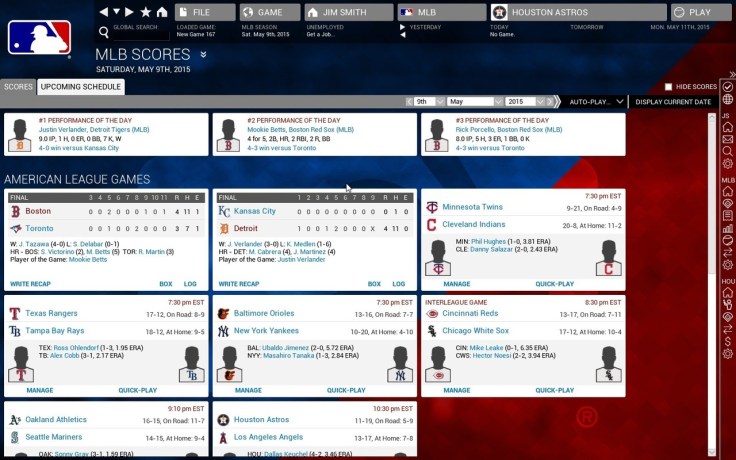

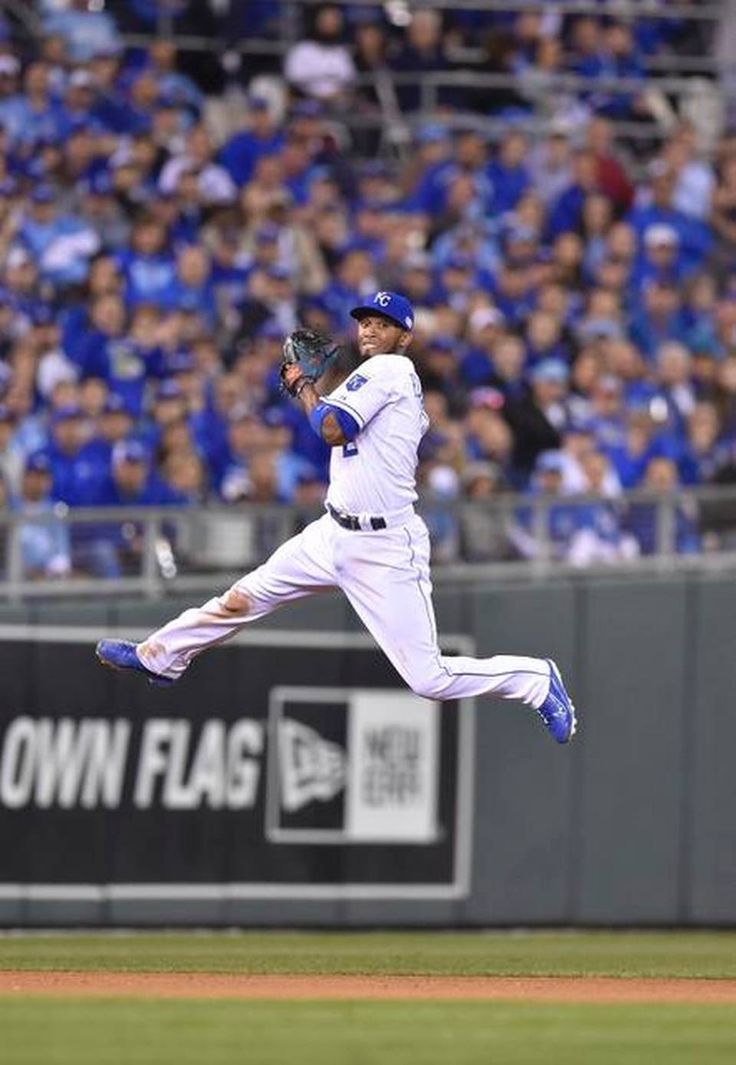
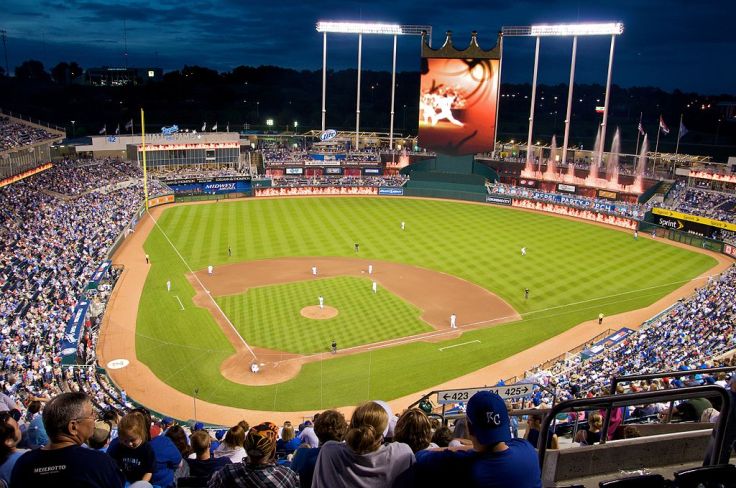
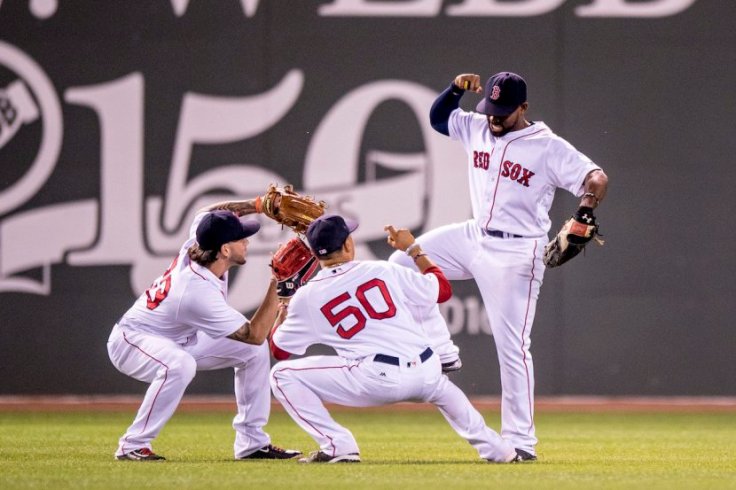
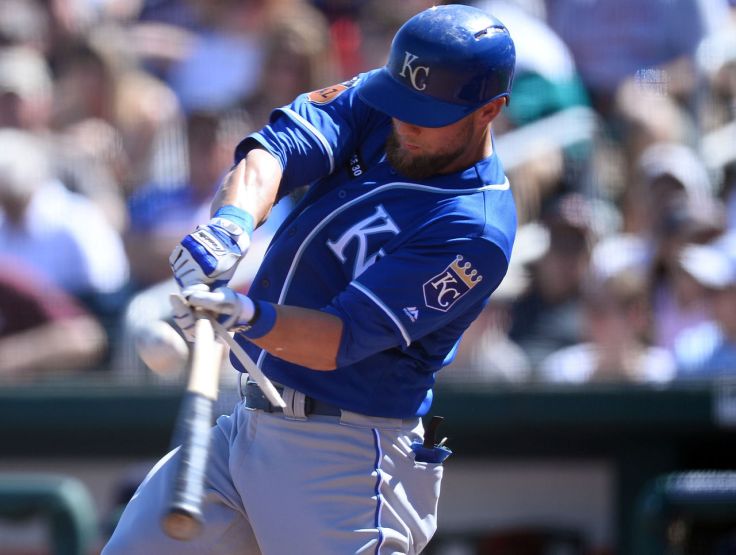

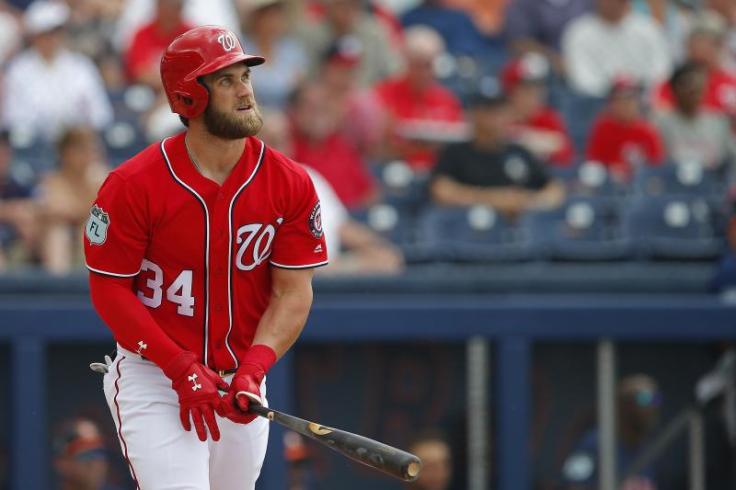
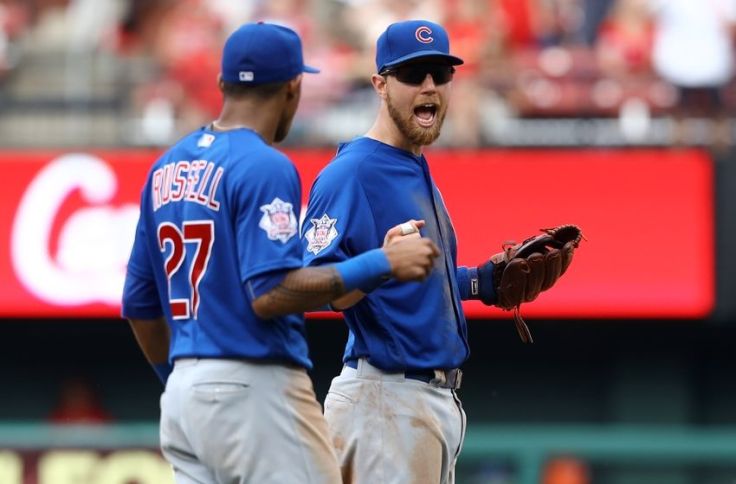
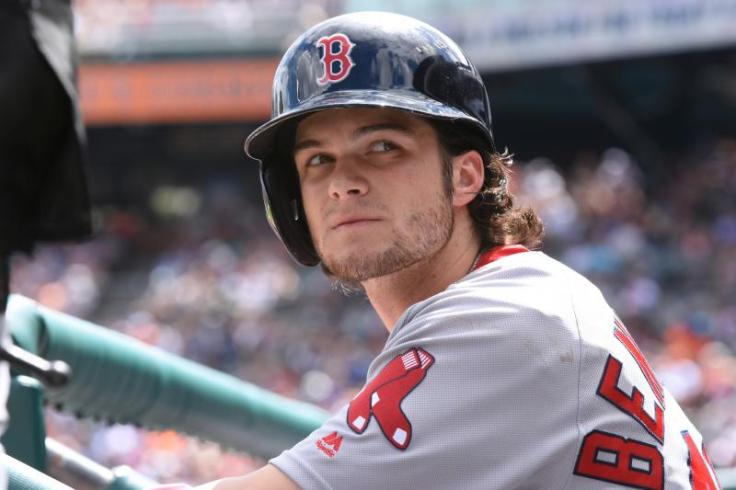
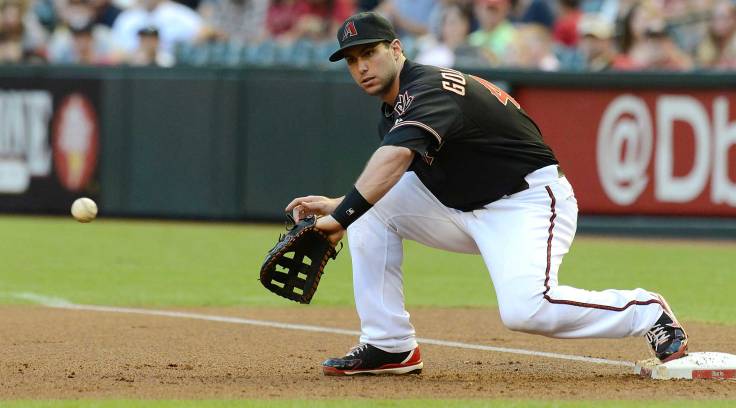
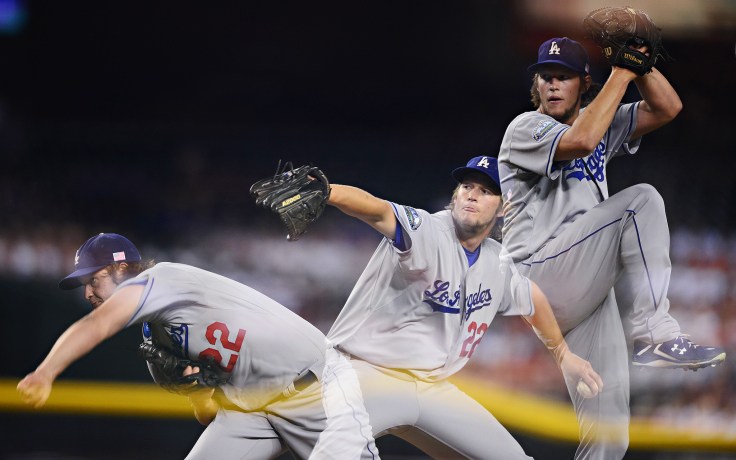


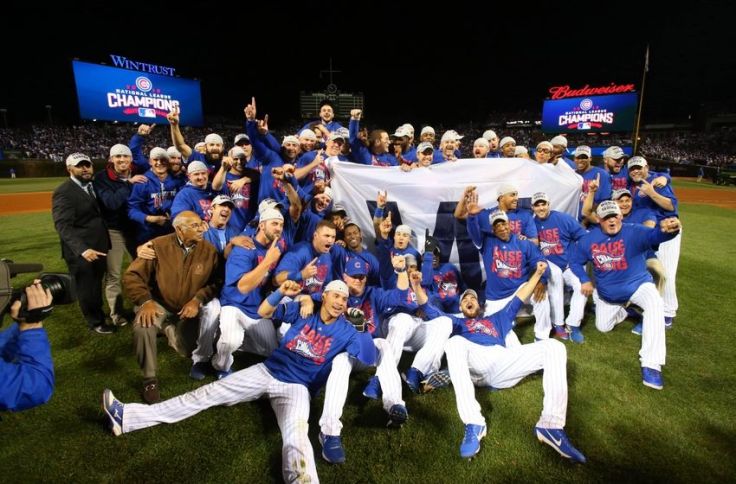
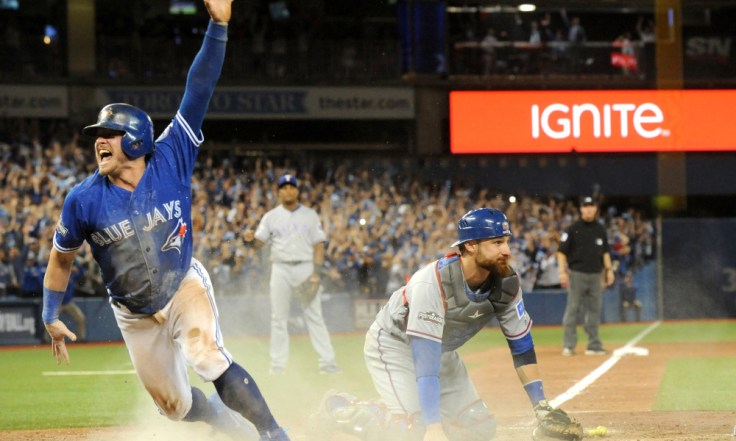
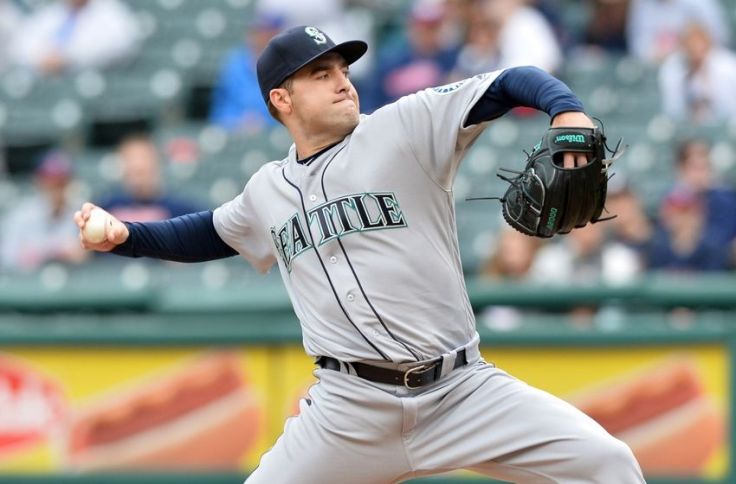
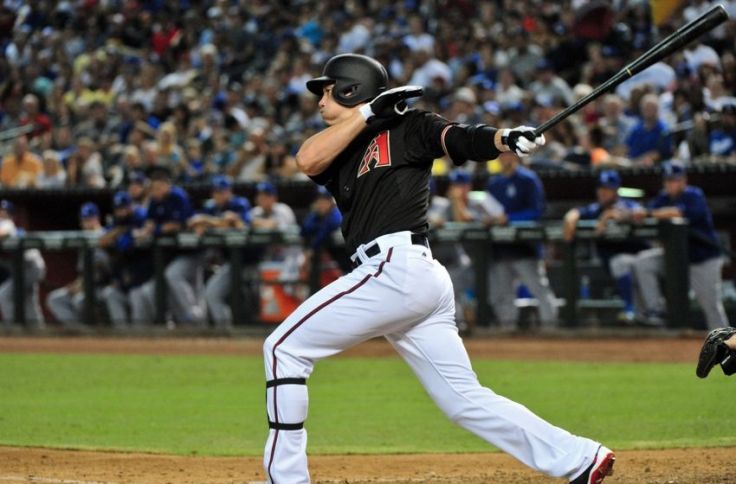
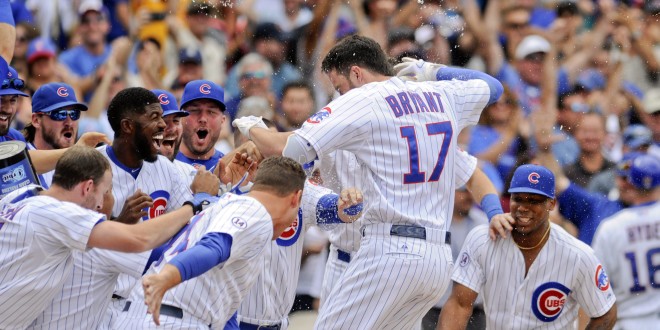
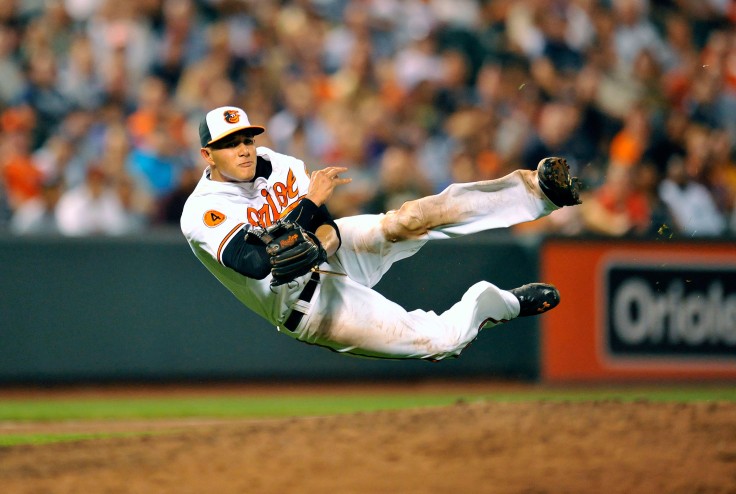
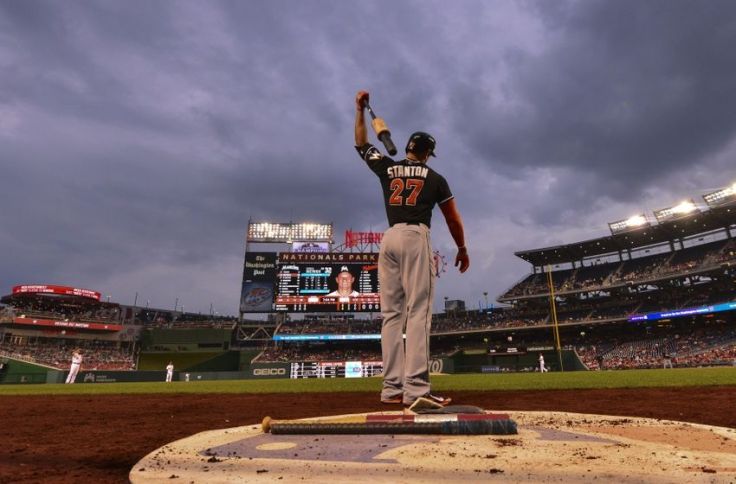
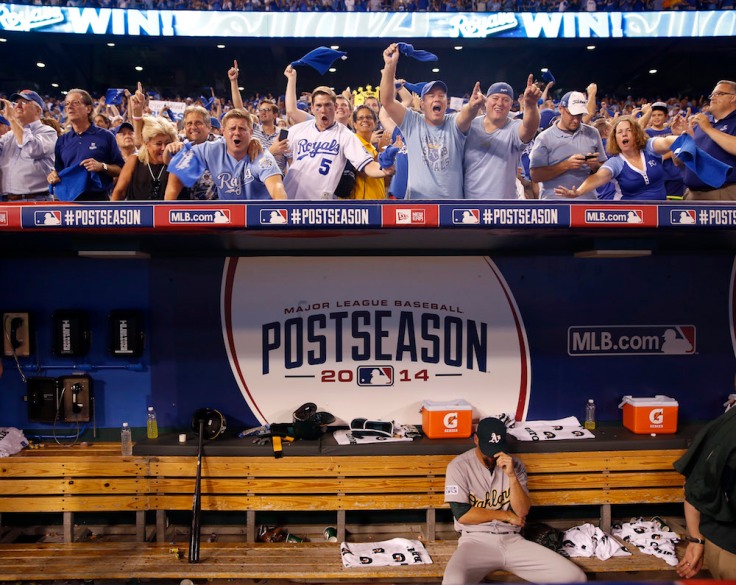

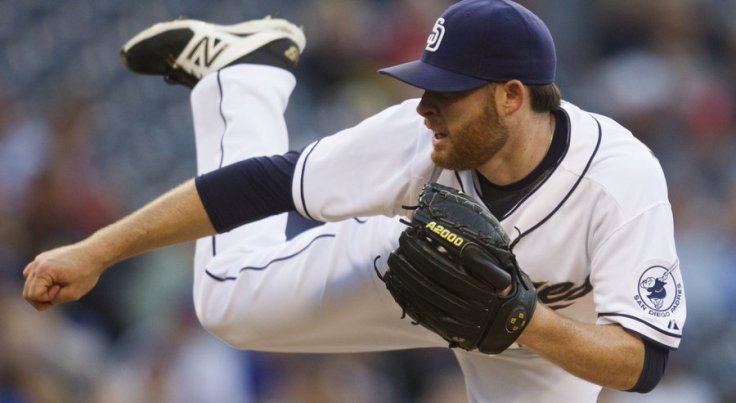
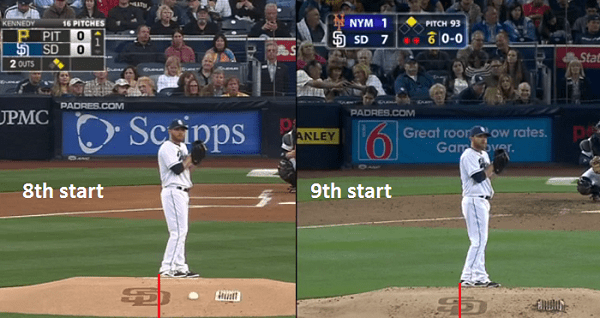
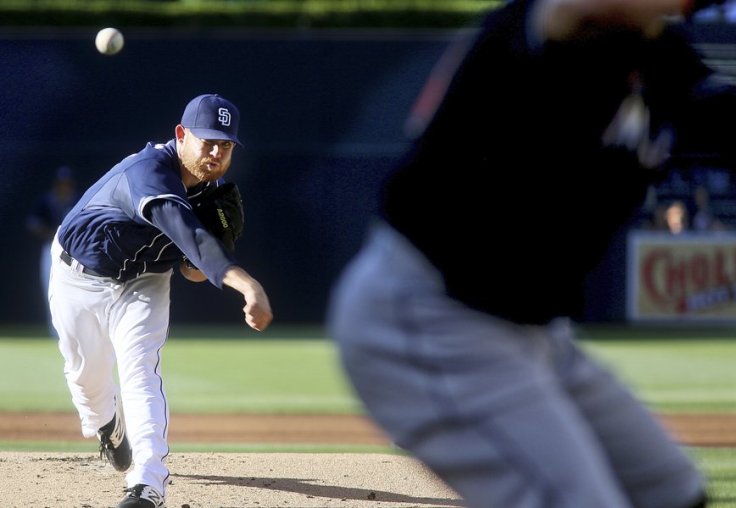
![April 13, 2015: Toronto Blue Jays Third base Josh Donaldson (20) [7086] bats during the Tampa Bay Rays 2-1 victory over the Toronto Blue Jays at Rogers Centre in Toronto, ON](https://bleedingroyalblue.com/wp-content/uploads/2015/11/kc14.jpg)






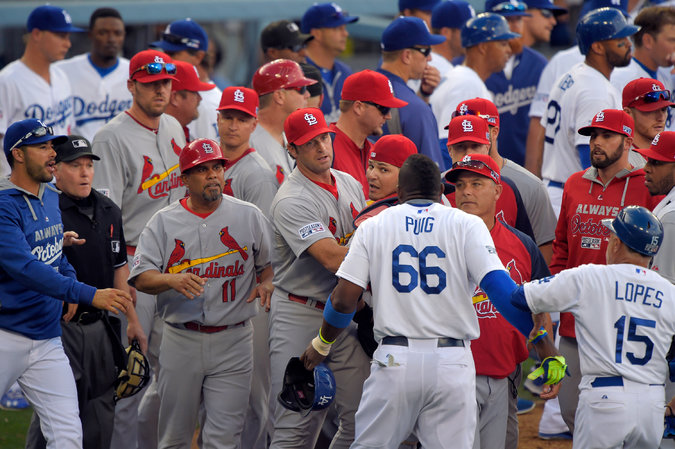
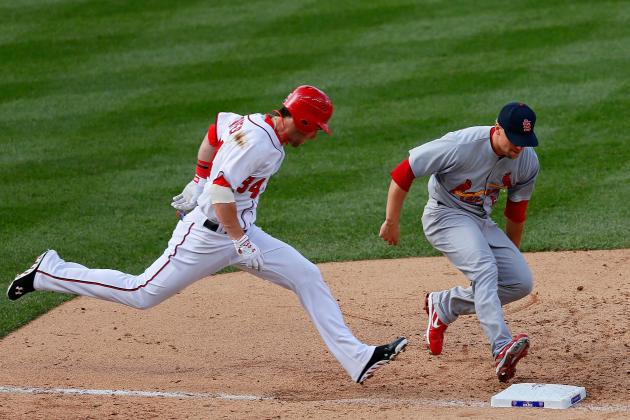

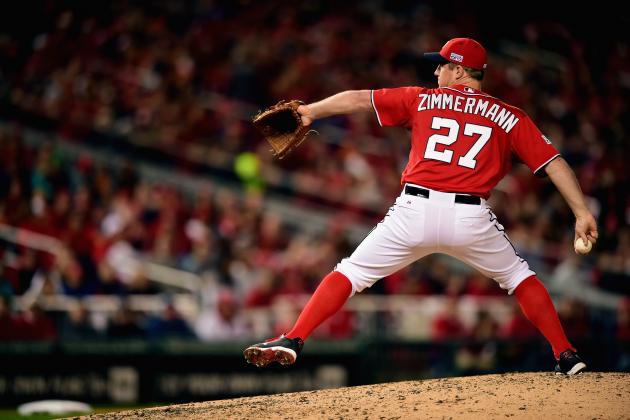




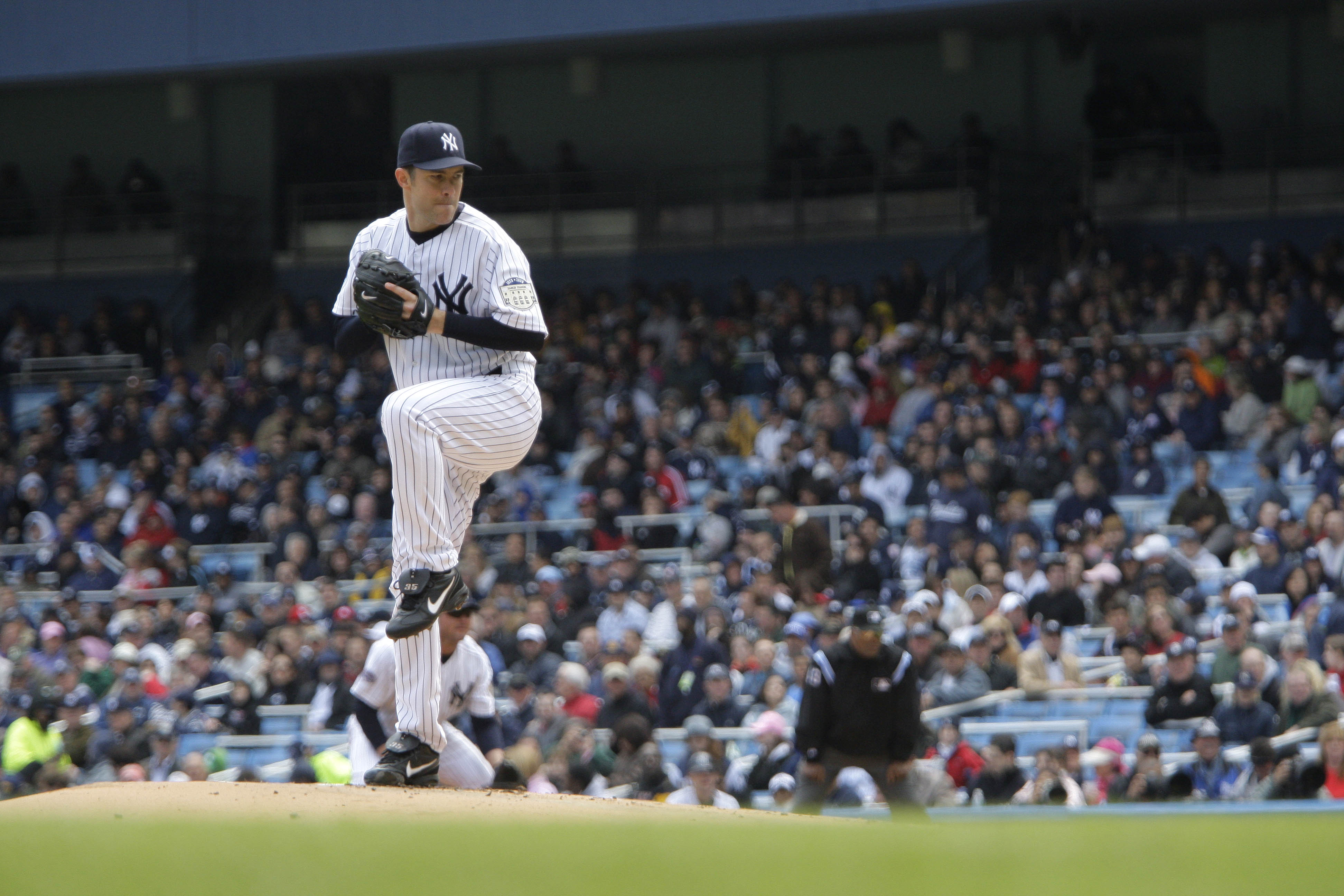
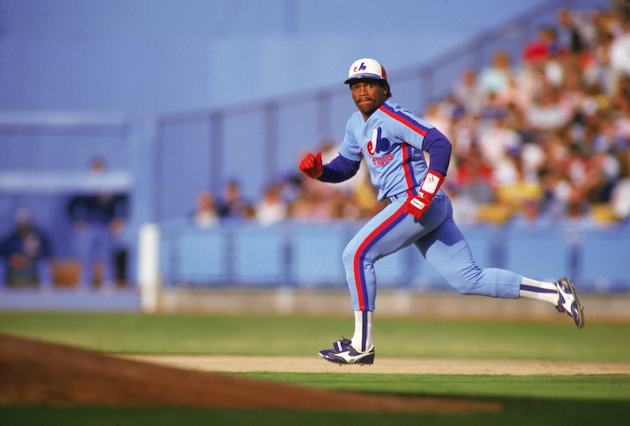


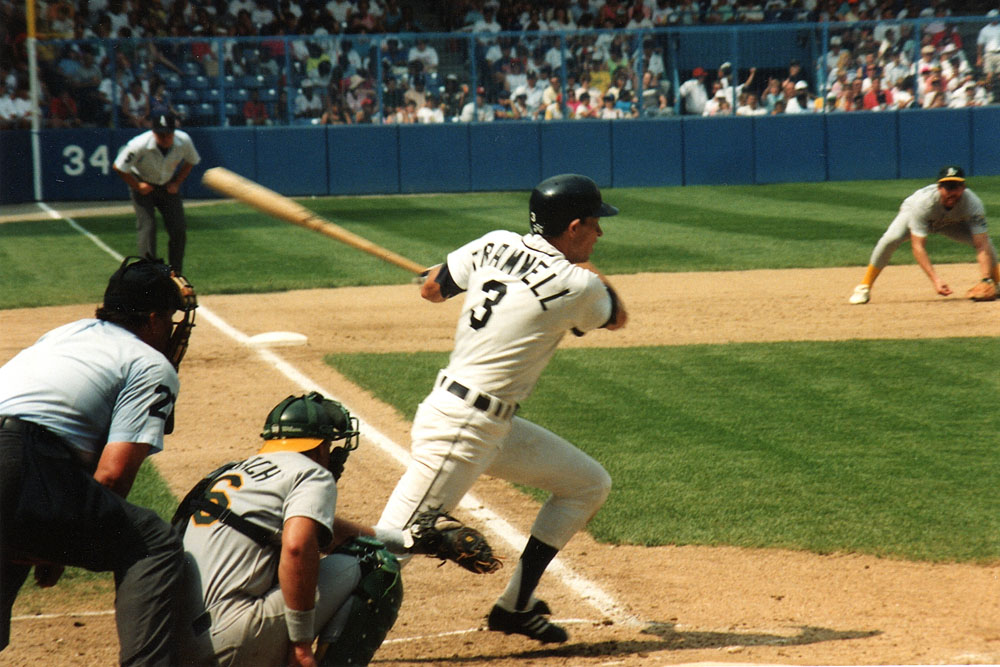


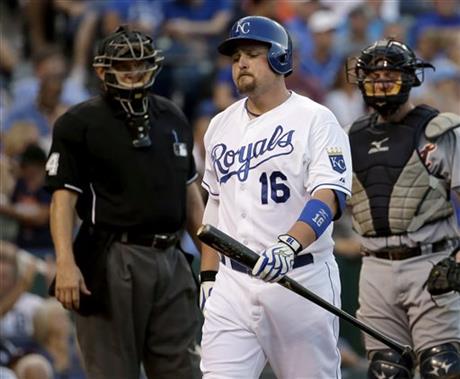

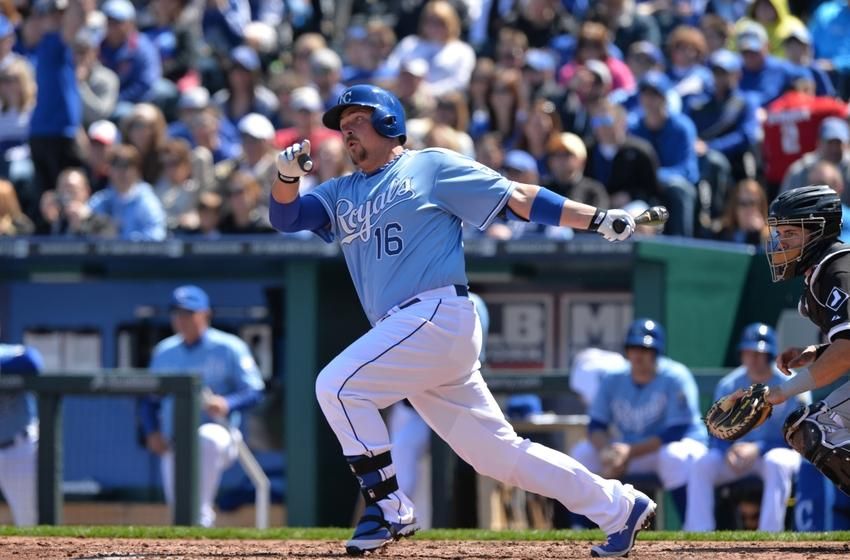

 Bleeding Royal Blue