It’s that time of year where most of us look back fondly on what is good in our life and how lucky we really are. The more and more I threw this idea around in my head today, I kept coming back to all the joy baseball gives me. With that in mind, here is what I am thankful for this holiday season, at least where baseball is concerned.
I am thankful that ‘The best Farm System in Baseball’ eventually did pan out for Kansas City, as players like Eric Hosmer, Mike Moustakas and Salvador Perez all turned out to be All-Stars and quality big leaguers.
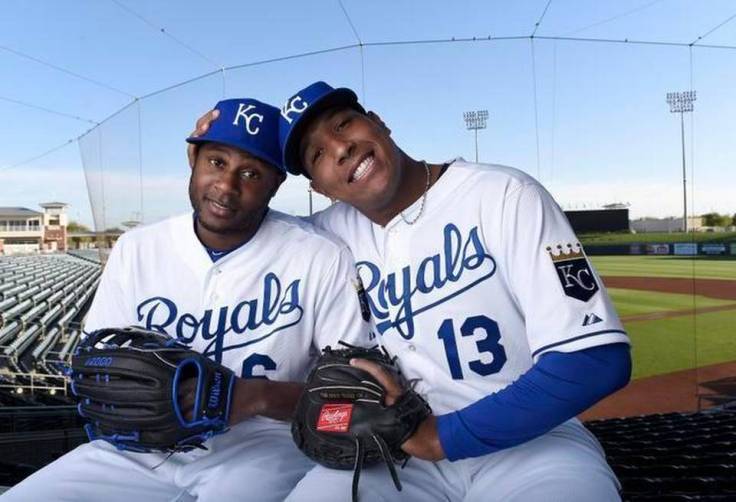
I am thankful that Lorenzo Cain stepped up his game in 2015, proving there is more to him than just one of the best gloves in baseball.
I am thankful that when Mike Trout is inducted into the National Baseball Hall of Fame, I can say I remember when he was a rookie and we had no idea that what we were seeing was greatness.
I am thankful that the extra round of playoffs in baseball has worked and has made it even more exciting than it was before.
I am thankful that Matt Harvey realized an innings limit didn’t matter in the playoffs…and that he was stubborn enough to convince his manager to keep him in for the 9th inning in Game 5 of the World Series.
Speaking of the Mets, I am thankful that my favorite team only has to face the Mets young arms in one series next year. They are the real deal.
I am thankful that baseball has a crop of young superstars(Trout, McCutchen, Stanton, etc.) that they can be proud of and should be promoting as to why they are great for the game.
By the way, I am thankful that a baseball town like Pittsburgh can tout a talent like McCutchen and add him to a legacy of true stars that deserve to be looked at like stars, much like Roberto Clemente before him.
I am thankful that we get to see a historic season like Bryce Harper this year…then remember he is only 23!
I am thankful for a baseball world where Bartolo Colon is still a thing…and gives everyone great material on a monthly basis.
I am thankful for a sport where you can argue for years about possible Hall of Fame players and still change someone’s mind after a ‘deeper look at the numbers’.
I am thankful my son loves the Hot Stove League as much as I do.
I am thankful that baseball has gone from a game where ‘experience is king’ to a game where now ‘youth is king’.
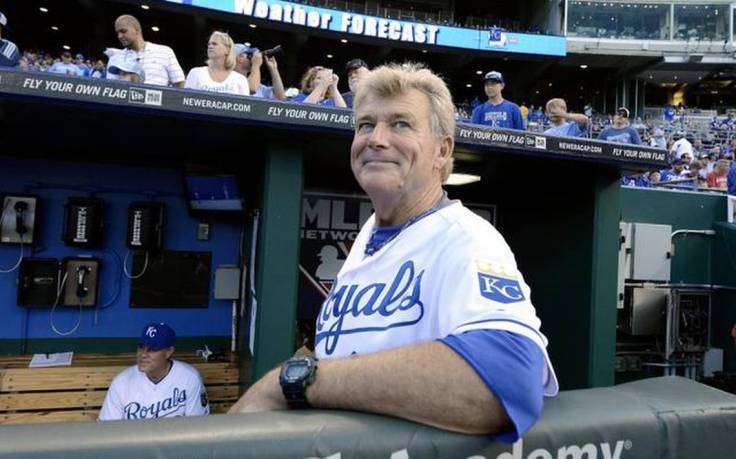
I am thankful for Rusty Kuntz’s flowing mane…damn!
I am thankful that we now live in a world where phrases like ‘exit velocity’ and ‘efficient route’ are part of the lexicon.
I am thankful for bat flips.
I am thankful predictions mean nothing in baseball; it’s why you play the games.
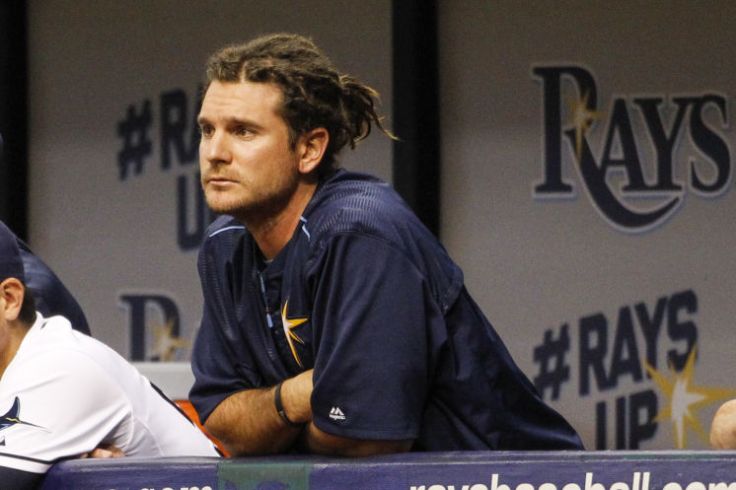
I am thankful that certain ballplayers can make my hair look suave…thanks, John Jaso!
I am thankful that I can watch a different baseball game everyday and learn something new, even 30+ years after I first started watching the game.
I am thankful that the history of the game is still woven into the fabric of today’s game.
I am thankful that my son thinks I would be a better analyst than Harold Reynolds.
I am thankful for the Royals defense.
I am thankful that I got to watch Brett, Saberhagen, Jackson, Wilson, McRae and White in my youth. Those players made me fall head over heels for baseball.
I am thankful that I am not the only person who believes Barry Bonds and Roger Clemens deserve to be in the Hall of Fame.
I also am thankful for the push the last couple years for Tim Raines and Edgar Martinez for their deserved spot in Cooperstown.
I am thankful I still remember Oddible McDowell, Razor Shines and Danny Darwin.
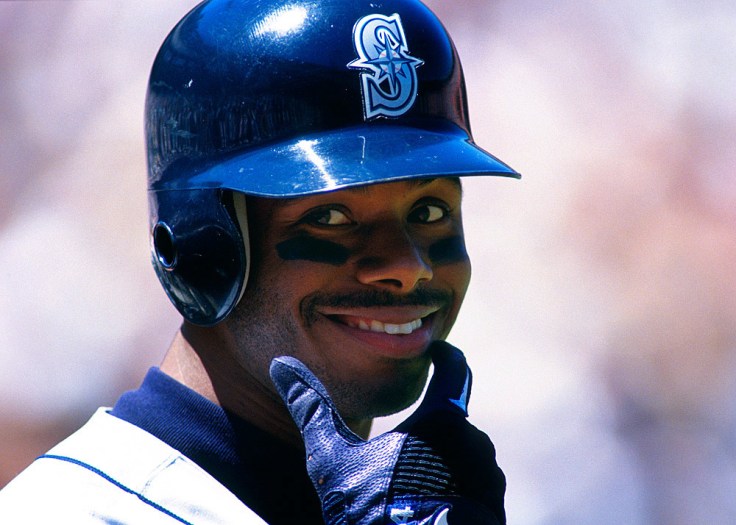
I am thankful that Ken Griffey, Jr. still smiles.
I am thankful to have witnessed the transformation of Wade Davis from human to cyborg.
I am thankful that I have been given the chance over the last 4 years to do things around this sport that I never imagined possible.
I am thankful that I waited out all the bad years of Kansas City baseball. It has made these last two years even more joyful than I can ever put in words.
I am thankful that I was wrong about Dayton Moore and Ned Yost.
I am thankful for all the late comebacks by the Kansas City Royals.
I am thankful for Lorenzo Cain’s running.
I am thankful for Alex Gordon’s clutch slugging.
I am thankful for Eric Hosmer’s daring baserunning skills.
I am thankful for a lockdown Kansas City bullpen.
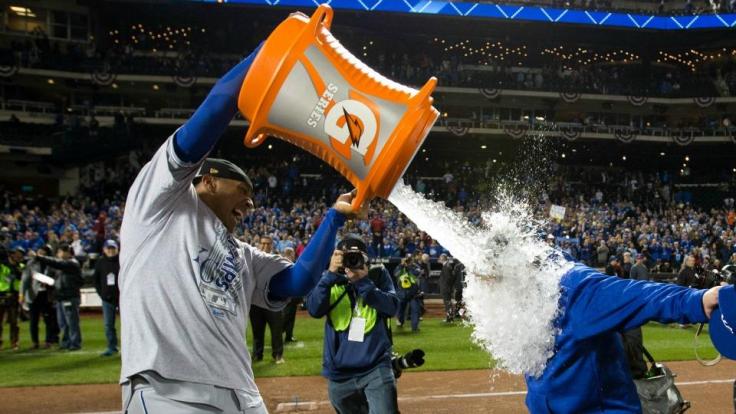
I am thankful to call ‘my Royals’ the World Champs. I honesty wondered if I would ever see that again in my lifetime.
and I am thankful that the people in my life who I care most about not only support my love of baseball, but they share in the love. They make all of this even better than if I was just enjoying it on my own.
Oh…almost forgot. I am thankful for Jonny Gomes mic skills. His speech will never get old.
Honestly, I could go on and on. I love this game and there are so many little bits of information or plays that remind of the nuances of this game that spark my love. Let’s all be thankful that baseball is still flourishing and despite some of the things we would fix with the game, for the most part it is as good as it was when we first got hooked. Thank you, baseball. Thank you for being you.
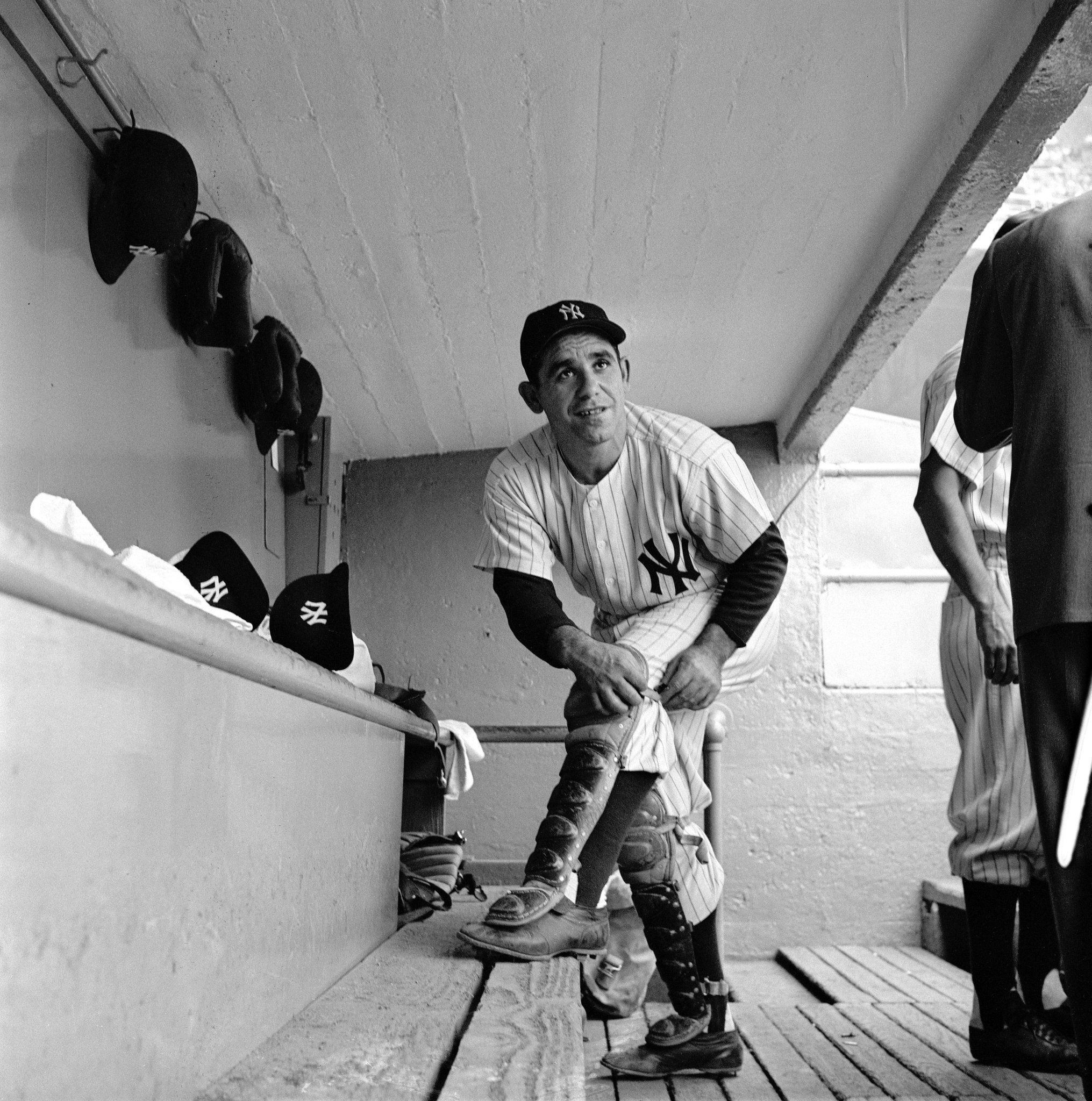
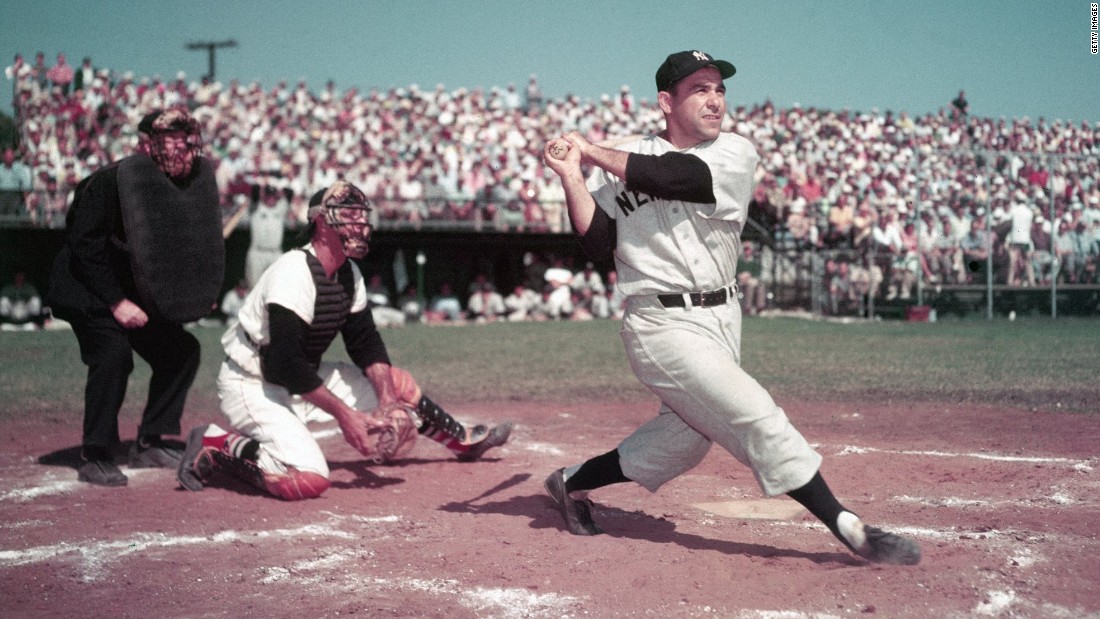
I woke up this morning, opened up Twitter and was met with the news that Hall of Fame catcher Yogi Berra had passed away at the age of 90. As a rabid baseball fan, this saddened me beyond words. Sure, we all know that death is inevitable, but at times it seemed like Yogi would live forever. Yogi Berra was everything good about baseball, a man who loved the game and loved the people inside of the game. I have never heard anyone say a foul word about Berra nor do I think I ever will. From all accounts he was a great human being, a man who was a Veteran, serving during World War II and was widely known for his witty and timeless quotes. You probably know the stats, as he was a 18 time All-Star and part of 10 World Series championship teams. Rather than just throw out a bunch of numbers or quotes (which there are equal of both) I thought I would throw out some little known facts about Yogi, the player, the person and the baseball man.
Back in 1950, Berra accumulated 656 at bats while striking out only 12 times. 12 times! In an era where some batters strike out 1/3 of that amount in one game, this is an insane feat. In fact, the most strikeouts Berra ever racked up in one season was 38 back in 1959. If you are like me, a guy who hates how much batters strike out nowadays, this is a great accomplishment that holds up immensely today.
On the other end of that spectrum, Yogi was not one to take a walk very often. Berra’s highest walk total was 66 back in 1952. Berra was a notorious bad ball hitter, which proved to be very successful for him.
Berra was originally shunned by the St. Louis Cardinals, as they instead signed catcher Joe Garagiola. Then Cardinals President Branch Rickey though had ulterior motives, as he was about to leave to work for the Dodgers. Unfortunately, Rickey was too late as the Yankees offered Berra the deal Garagiola got from St. Louis and Berra would forever be a Yankee(except for 4 games as a Met in 1965).
Berra once drove in 23 runs in a doubleheader when he was in the Class B Piedmont League. True story.
David Seideman wrote an article about Berra once for Forbes.com and told this story about Yogi:
One my favorite all-time Yogi Berra stories you’ve never heard involves a friend named Mark who was a huge Yankees fan. He once brought an 8×10 photo for him to sign at a charity golf tournament. Mark delicately put his signed photo in an envelope and took it home. He later pulled it out, only to discover that Yogi had signed it— not to Mark, but to himself: “To Yogi, Yogi Berra.”
Berra was not a very big man-listed as 5’7″, 185 lbs-which led to many great quotes about his stature. Former Yankees GM Larry MacPhail once said when Berra was signed by New York that Berra looked like “the bottom half of an unemployed acrobatic team.” Former Yankee pitcher Joba Chamberlain would tell a police officer who was arresting him for a DUI that Berra “might not be as tall as the front of your car.”
Berra’s mentor was former Yankees catcher Bill Dickey, whose number Yogi took. Berra would later say “I owe everything I did in baseball to Bill Dickey.”
Yogi once met the Pope:
Reporter: “I understand you had an audience with the Pope.”
Yogi: “No, but I saw him.”
Reporter: “Did you get to talk to him?”
Yogi: “I sure did. We had a nice little chat.”
Reporter: “What did he say?”
Yogi: “You know, he must read the papers a lot, because he said, ‘Hello, Yogi.’ ”
“My favorite Yogi story,” says former Yankee first baseman Roy Smalley, “is about the time he went to a reception at Gracie Mansion [the residence of New York’s mayor]. It was a hot day and everybody was sweating, and Yogi strolled in late wearing a lime-green suit. Mayor Lindsay’s wife, Mary, saw Yogi and said, ‘You certainly look cool,’ and he said, ‘Thanks. You don’t look so hot yourself.’ If that isn’t true, I don’t want to know it isn’t.”
Berra was considered a clutch hitter throughout most of his career. Pitcher Early Wynn declared Berra “the real toughest clutch hitter,” grouping him with Cleveland slugger Al Rosen as “the two best clutch hitters in the game.” Berra had a career postseason line of .274/.359/.452 with 12 home runs and 39 RBI’s over 79 playoff games.
Despite his size, Berra was a great receiver. Berra was quick mobile and a great handler of pitchers, and was the first catcher to leave a finger outside the glove, a style most other catchers eventually emulated.
Berra wasn’t just a great receiver. Yogi would position his teammates on the field, putting fielding shifts in place decades before managers were doing so on a regular basis. “Why has our pitching been so great? Our catcher, that’s why,” Casey Stengel once said.
Yogi once caught an entire 22 inning, 7 hour game against the Tigers.
According to the win shares formula developed by Bill James, Berra is the greatest catcher of all time and the 52nd greatest non-pitching player in major-league history. I am not one to argue with Bill James.
Berra’s peak salary in during his playing career was $65,000 a year in 1957, at least according to Yogi.
Berra would capture a pennant twice as a manager: once for the Yankees(1964), once for the Mets(1973).
In 1996, Berra received an honorary doctorate from Montclair State University, which also named its own campus stadium Yogi Berra Stadium, opened in 1998, in his honor.
Yogi is one of only five players to win the American League MVP award three times.
There is so much more that could be said about Yogi Berra, and all of it would be worth the read. I think more than anything though, Yogi was what is great about this game of baseball. In no other sport is the past and present woven together quite like baseball and many players of the last ten years acknowledge that they were better players and people because of Berra, including Derek Jeter and Craig Biggio. If you write about baseball in any manner, you should be writing about Yogi Berra and what he meant to you and the game of baseball. Berra was witty and funny, charming and magnetic, a family man and a baseball man. More than anything, Yogi was Yogi and baseball is better because of that. Thank you, Yogi.
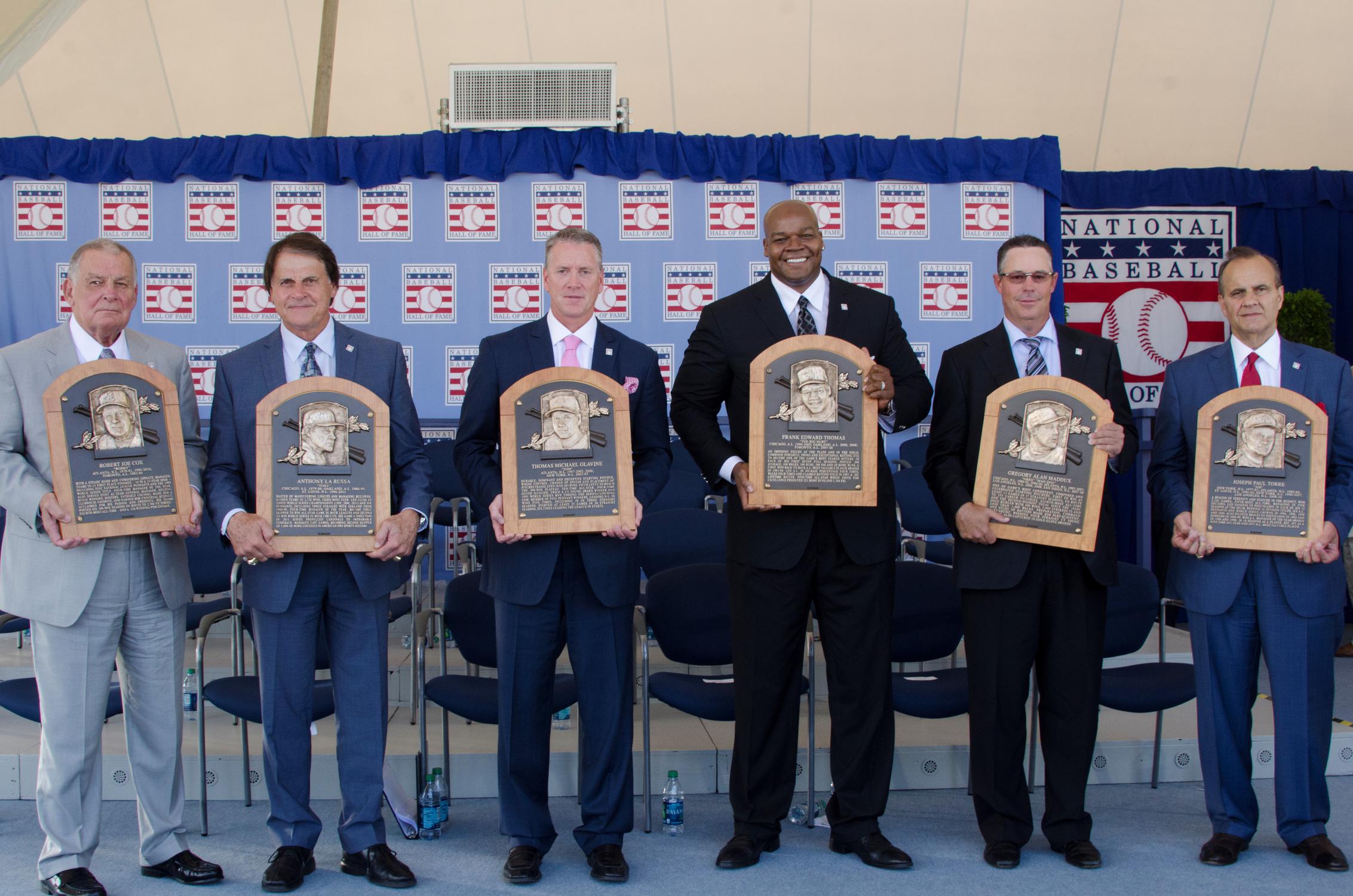
On January 6th, the National Baseball Hall of Fame will announce their 2015 inductees, with expectations being that multiple players will be enshrined into the Hall this summer in Cooperstown, New York. There has been a plethora of debate concerning the voting process done by the BBWAA the last few years and how to handle possible PED users. This has cause a number of worthy players to be passed over, even without any evidence proving their taking of said substances. It has become harder and harder for voters to turn in their ballots, as the Hall allows up to 10 votes and many members of the BBWAA feeling as if more than that amount are worthy of the Hall’s honor. Last year I wrote up what my ten votes would have been if I could vote. This year I officially did get to vote, as a member of the IBWAA, and there were some notable differences between the BBWAA voting procedure and the IBWAA’s voting. For one, you can vote up to 15 candidates for the IBWAA, while the BBWAA has held fast to 10. Also, the IBWAA has already voted in Mike Piazza and Craig Biggio, while Barry Larkin(who is in the National Baseball Hall of Fame) has not. I ended up voting for 12 players and to save a bit of time I will be posting a link to my picks last year for some of the same candidates. Also, to get a better idea of just how difficult the voting process has become, read Jay Jaffe’s article on voting. So without further ado, here is my IBWAA ballot for 2015(in alphabetical order).
1)Jeff Bagwell
Jeff Bagwell was on my list last year and I am still amazed he hasn’t gotten voted in. Many voters are suspicious of PED use, despite not evidence to any besides his body getting bigger between his time in the minor leagues and his ascension to the majors. Bagwell was not only one of the best hitters of his era, but also stellar defensively and on the basepaths. To me Bagwell is a slam dunk candidate and a major disservice has been done by excluding him from the Hall.
2) Barry Bonds
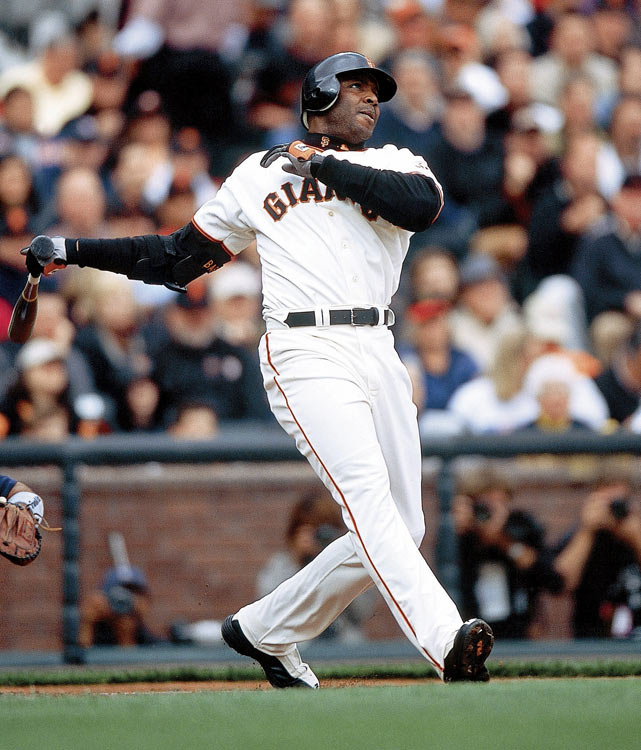
Barry Bonds was also on my list in 2014 and is easily one of the greatest baseball players ever, the all-time home run king and that is all tainted by supposed steroid use. To me Bonds was a Hall of Famer before his supposed use and was a 5 tool player early in his career. We can debate all day about whether or not PED users should be allowed in the Hall(and I am someone who believes the Hall of Fame is NOT sacred ground) but what is easy to decipher is that Bonds is one of the greats of the game. ‘Nuff said.
3) Roger Clemens
Roger Clemens is another 2014 vote for me and like Bonds, has the PED albatross around his neck. Clemens is the greatest pitcher of his era, a 7 time Cy Young award winner and should have been a first ballot Hall of Famer. Instead we are stuck continuing an argument that might never finish and also like Bonds, might have to wait for the Veteran’s Committe to get voted into Cooperstown. Clemens deserves to have a plaque next to the Johnson’s, Koufax’s, and Gibson’s of the world. When(or if) that happens is another issue.
4) Randy Johnson
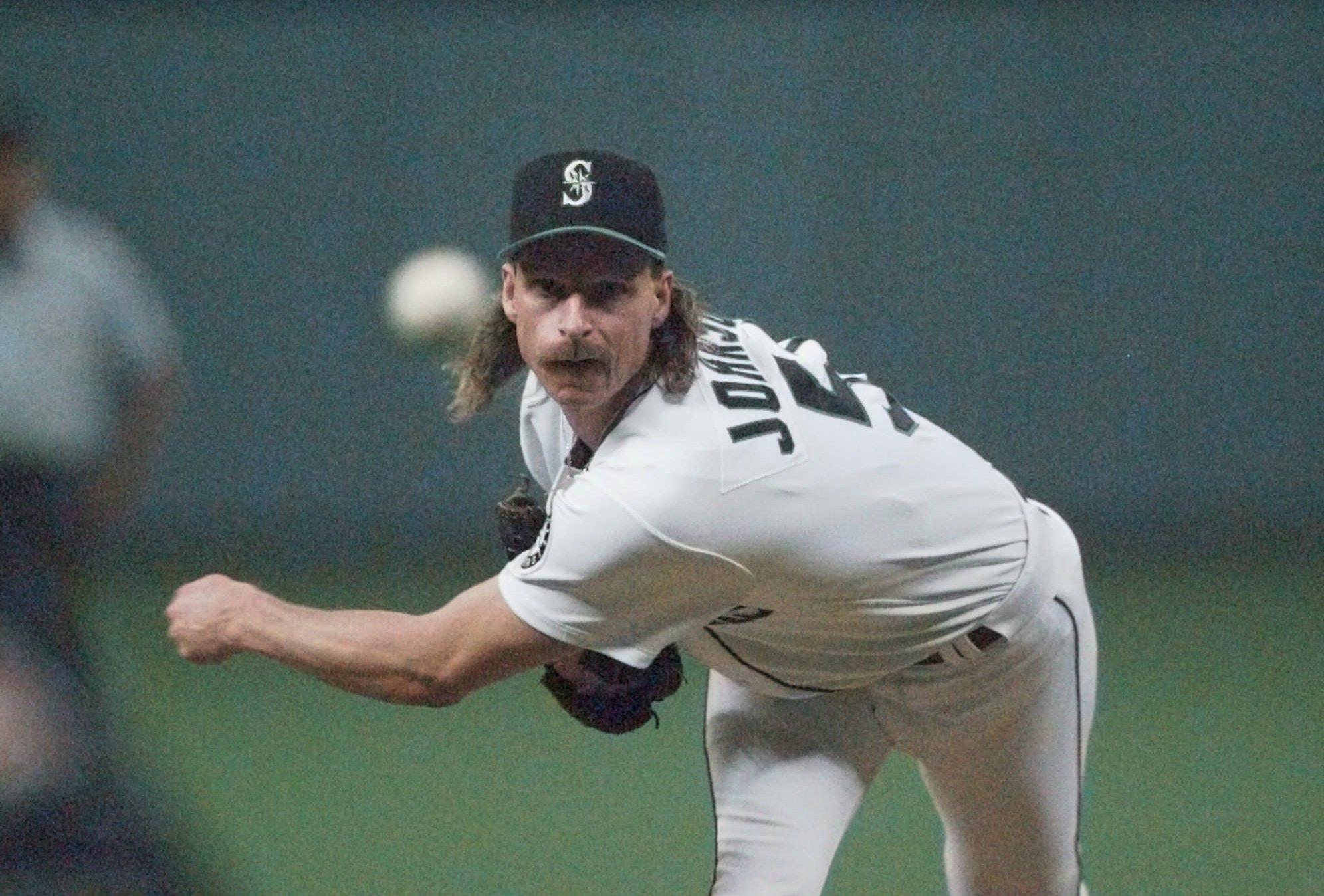
Randy Johnson is on the ballot for the first time this year and is a guaranteed lock to be voted in this year. It’s pretty easy to see why; 5 time Cy Young winner(placing 2nd 3 times), 2nd career in strikeouts(4875), 1st all-time in K’s per 9 inn(10.61), 23rd all-time in ERA+(135), over 300 wins and a 104.3 career WAR. Need More?
In the 1914-2014 span, only one other pitcher had more 10+ strikeout games with 0 ER than Randy Johnson (49)— Nolan Ryan (67)
All this from a guy who when he started his career in 1988 it wasn’t guaranteed that he would be a top shelf starter. Sure, he had the stuff(an electric fastball that reached triple digits and a hard, biting slider), but Johnson was also known for having control issues. Even as late as 1992 Johnson still had a BB/9 of 6.2, but after that year he never got above 3.8 walks per 9 the rest of his career. Johnson threw 2 no-hitters in his career, the 2nd was the 17th perfect game in major league history. Randy would also dominant on the big stage of the playoffs, especially in 2001. During the playoffs that year for Arizona, Johnson would beat Atlanta twice in the NLCS and then pick up 3 wins against the Yankees in the World Series, the final victory coming in relief in Game 7, after he had pitched 7 innings the night before in Game 6. Johnson was as dominant in an era known for lack of dominance by pitching, and held that standard for a number of years. When you think of the greatest left handed starters in major league history names like Koufax, Spahn and Carlton instantly spring to mind. Randy Johnson is easily in that group and should easily slide into the Hall of Fame this year.
5) Barry Larkin
As mentioned earlier, Larkin has already been inducted into the National Baseball Hall of Fame, but not yet in the IBWAA’s version. It’s a shame really, because Larkin was the next evolution of offensive shortstop, following in the footsteps of Cal Ripken, Jr. in the 80’s. Larkin pretty much did everything(a 5 tool player), which was a big part of why he was one of my favorites of all-time. Larkin was a 12 time All-Star, 1995 NL MVP, 3 time Gold Glove winner, 9 time Silver Slugger winner, 5 times was in the top 10 of WAR in the NL(7 times for just position players), the first shortstop to have a 30 HR/30 SB season and is 22nd all-time in SB% (83.11). Larkin wasn’t flashy but he was consistent and was the blueprint for future shortstops like Derek Jeter, Alex Rodriguez and Nomar Garciaparra, combining offensive punch with defensive prowess. Larkin is what most shortstops of that era shrived to be, a Hall of Famer.
6) Edgar Martinez
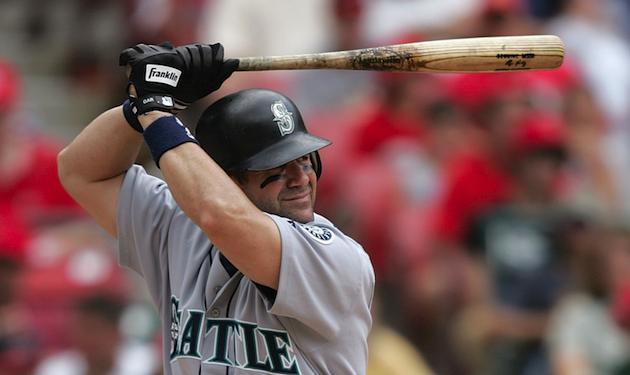
Edgar Martinez has been looked over for years but he was an easy pick for me last year. Edgar is the greatest Designated Hitter of all-time, and one of the greatest hitters in baseball history. Apparently Martinez not playing much in the field hurts his case, but that honestly should be superseded by the fact that he was so good at one thing(hitting) that he is 76th in career WAR. Still don’t believe Edgar belongs?
Edgar: 2055 G .312/.418/.515, 147 OPS+, 68.3 WAR Ortiz: 2111 G .285/.379/.547, 140 OPS+, 47.7 WAR Guess who's prob sailing into Cooperstown
The stats easily tell a story, that of a Hall of Fame player .
7) Pedro Martinez
Pedro Martinez is much like Randy Johnson, a man who dominated in an era(the Steroid Era) where offense was king and pitching was hard to come by. Pedro was elite in this era, posting numbers who by themselves are jaw dropping, let alone when stacked next to his cohorts.
From 1997 to 2003, Pedro Martinez maintained a 213 ERA+.
Career-bests:
2014 Clayton Kershaw 197 1997 Randy Johnson 197 1981 Nolan Ryan 195
Pedro’s list of accomplishments during his 7 year peak almost look like ridiculous video game numbers: 5 times lead league in ERA(twice under 2!), 3 times lead AL in strikeouts, and 5 times lead AL in ERA+, FIP, and WHIP. Martinez was unhittable in a period where everyone and everything was hittable. Martinez was a 3 time Cy Young award winner(2nd two other times), an 8 time All-Star, 2nd in the MVP voting in 1999, twice lead the AL in WAR(3 times for pitchers), is 6th all-time in career winning percentage(.687), 5th all-time in WHIP(1.054), 3rd all-time in K/9 (10.04), 13th all-time in career strikeouts (3154) and 2nd all-time in ERA+(154). All this from a guy who most believed would throw his arm out due to his small stature. In a time where muscle bound behemoths ruled the game, a small 5’11” 170 lbs pitcher made them all look like fools. That greatness will propel him into the hallowed halls of Cooperstown this summer.
8)Mike Mussina
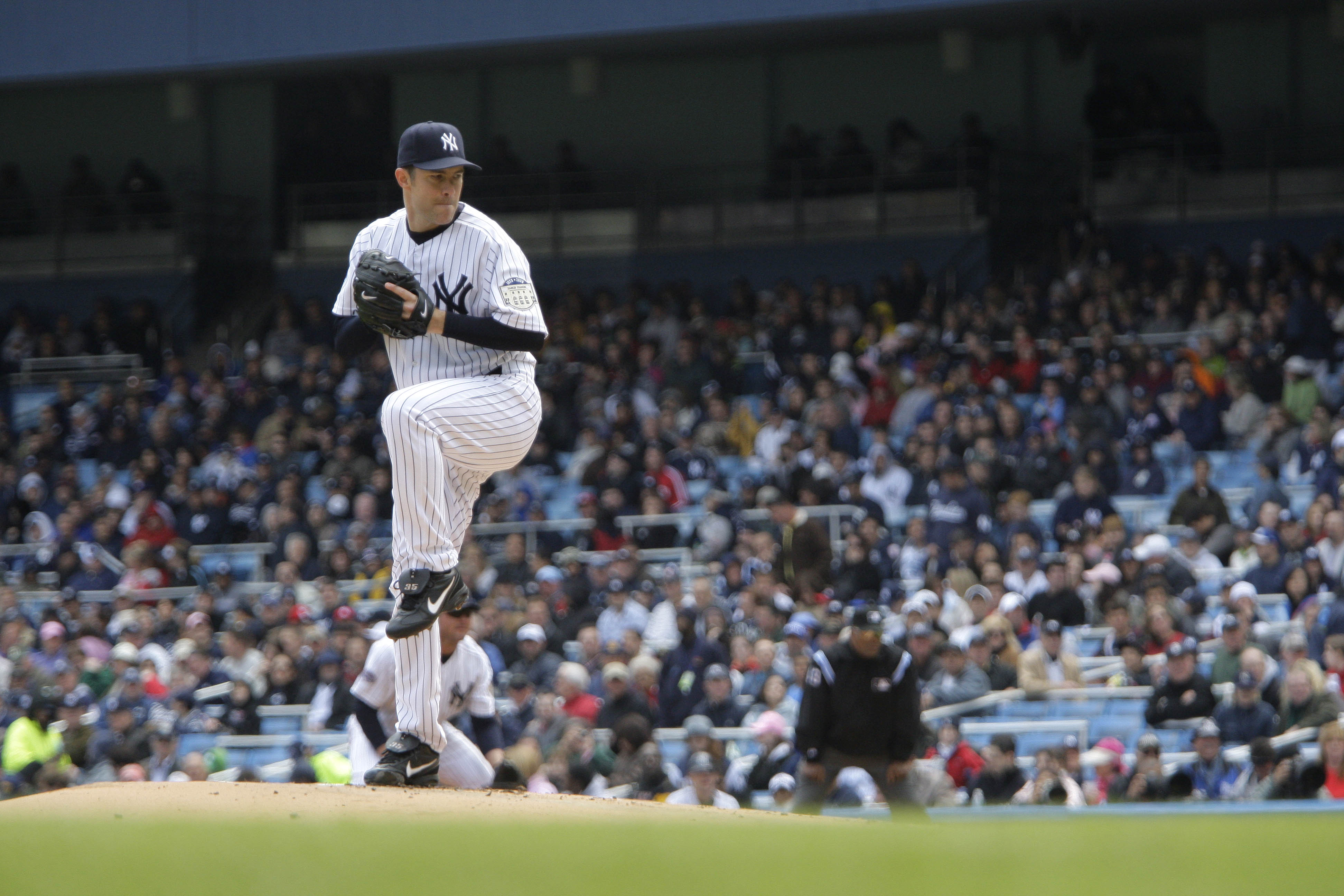
Mike Mussina probably never dazzled anyone over his 18 year big league career. He wasn’t the most dominant, didn’t really blow gas past batters or have that one pitch that no one could hit(although his knuckle curve was a nice little out pitch when he needed it). But more than anything Mussina was consistent and stayed that way for the entire span of his career. In fact if you didn’t know better you would think Mussina was a ninja with the way his numbers jump up on you:
Doing some HoF research. Mike Mussina is 19th all-time in Ks and his carer WAR was 83.0. Pedro Martinez’s was 84.0.
So here are just a few of the numbers Mussina compiled during his (what should be) Hall of Fame career: 5 time All-Star, 6 Top 5 finishes in American League Cy Young voting, 7 time Gold Glove winner, 57th all-time in career WAR(24th all-time for pitchers), 19th all-time career strikeouts(2813), 89th all-time career ERA+(123), and 270 career wins. Mussina also pitched a large chunk of his career during the ‘Steroid Era’ and the two ballparks he called home during his career(Camden Yards and Yankee Stadium) were both hitters parks. I’ve always considered ‘Moose’ the right-handed equivalent of Tom Glavine, a guy who wouldn’t blow you away but put up solid numbers year after year. Last year was Mussina’s first year on the BBWAA ballot and he compiled 20.3% of the vote, which I have to believe will go up this year. He was one I had to leave off last year but with the extra votes this year it was easy to add him to the mix. If you want flashy, Mussina isn’t your guy. But if you want a top of the rotation starter who you can rely on year after year for quality starts and quality innings, Mussina was a lock. Eighteen years of that quality should also mean he is a lock–for the Hall of Fame.
9) Tim Raines
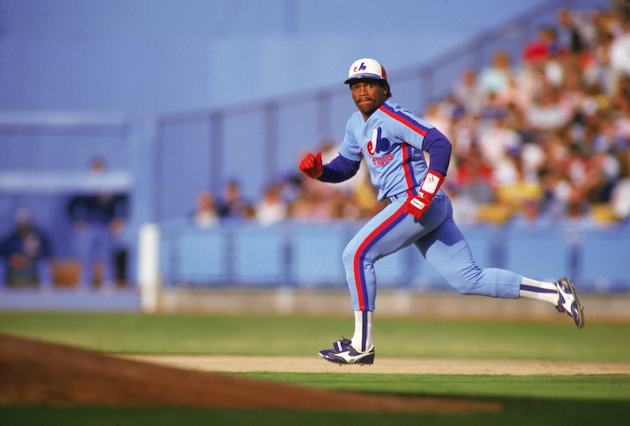
Tim Raines might be one of the most undervalued players on this list but he shouldn’t be. It took me awhile, but within the last few years I have come around on my thinking when it comes to Raines and where his true place in the game should be. The good thing is that I am not alone, as his numbers have steadily increased until this past year, when he dropped from a high of 52.2% to 46.1%, probably mostly due to the gluttony of players on the list and not enough spots for all the deserving players. There are so many reasons to vote for Raines(and I state my case in the link earlier) but to NOT vote for him because he wasn’t Rickey Henderson(who just happened to play at the same time as ‘Rock’) is the equivalent of not voting for a hitter because “he wasn’t Ted Williams” I mean, being the 2nd best leadoff hitter EVER should count for something:
And if "Tim Raines wasn’t Rickey Henderson" is a reason for keeping a guy out, the Hall of Fame has, what, five guys in it?
Luckily it appears a bump could be in order for Raines and with the possibility of 5 players getting in this year it could free up votes for future years. It might take a few more years, but hopefully the #RainesForHOF is not in vain.
10) Curt Schilling
Just how much difference does a player’s postseason success factor into a Hall of Fame vote? In the case of Curt Schilling it matters a lot. In fact I would say without his playoff numbers Schilling probably wouldn’t get into the Hall. But when you add that to the mix, his true greatness shines through. A 2.23 ERA, .846 winning %, and a WHIP of .968(plus one bloody sock), all over 133 innings pitched in October shows just what kind of mettle Schilling really had. In fact, just go look at his postseason stats for 2001; ridiculous! When you then add in the regular season numbers it becomes much more obvious:
Curt Schilling is most likely a HOFer: 127 ERA+, 1.13 WHIP, 3.46 ERA…2.23 ERA & 0.96 WHIP in 133 postseason innings pic.twitter.com/1WPKvLP0WG
Schilling was a 6 time All-Star, 1993 NLCS MVP, 2001 World Series MVP, 4 times was in the Top 5 of the Cy Young award voting, 62nd all-time in career WAR(26th for pitchers), 15th all-time in career strikeouts(3116), and 47th all-time in career ERA+(127). All this from a guy who floundered in the majors until he was 25 in 1992 with the Phillies. Schilling the person might not be a guy who we would agree with on a regular basis(and definitely don’t argue evolution with him) but none of that matters when it comes to Hall of Fame voting. Schilling was a front line starter in the big leagues for 15 years and has the numbers to prove it. That is ‘Hall Worthy’ if I have ever seen it.
11) John Smoltz
In the 1990’s there was no better rotation than the Atlanta Braves three-headed attack of Greg Maddux, Tom Glavine and John Smoltz. Smoltz is eligible for the first time this year and he looks to be joining his former teammates in Cooperstown. Very few pitchers have done what Smoltz did in his career, be both a top notch starter and closer. In fact the only other pitcher I can think of that was able to do what Smoltz did was Dennis Eckersley and we know how he turned out. But there appears to be some writers and journalists who don’t believe Smoltz should get into the Hall on the first ballot. Ben Lindbergh wrote a great piece for Grantland on just this subject, and delves into not only Smoltz’s candidacy but also those of Mussina and Schilling. But near the end of the article Lindbergh points out something that should really be heavily taken into consideration when it comes to whether someone should vote for him:
While Schilling, Mussina, and Smoltz were all great starters, though, Smoltz’s story has a hook: As manyvotersmentioned, he did something unprecedented, becoming the first pitcher to win 200 games and save 150 more. And while he didn’t come close to the magic milestone of 300 wins, 200 plus 150 equals 350, which is greater than 300. That’s the kind of math that even the most WAR-averse voters don’t mind.
Smoltz accumulated 213 wins and 154 saves, which is quite the accomplishment for any pitcher. Add in a 2.67 ERA, .789 winning % in the postseason, 1996 Cy Young award winner(2 other top 5 finishes), 8 time All-Star, 1992 NLCS MVP, 66.5 career WAR(39th career for pitchers, 44th all-time in career K/9(7.992), and 16th all-time in career strikeouts(3084) and you have a nice resume when looking for induction. It’s easy to sit here and say that Smoltz wasn’t as good as former teammates Maddux and Glavine, but who was? It certainly doesn’t take away from a career that is certainly ‘Hall Worthy’.
12) Alan Trammell
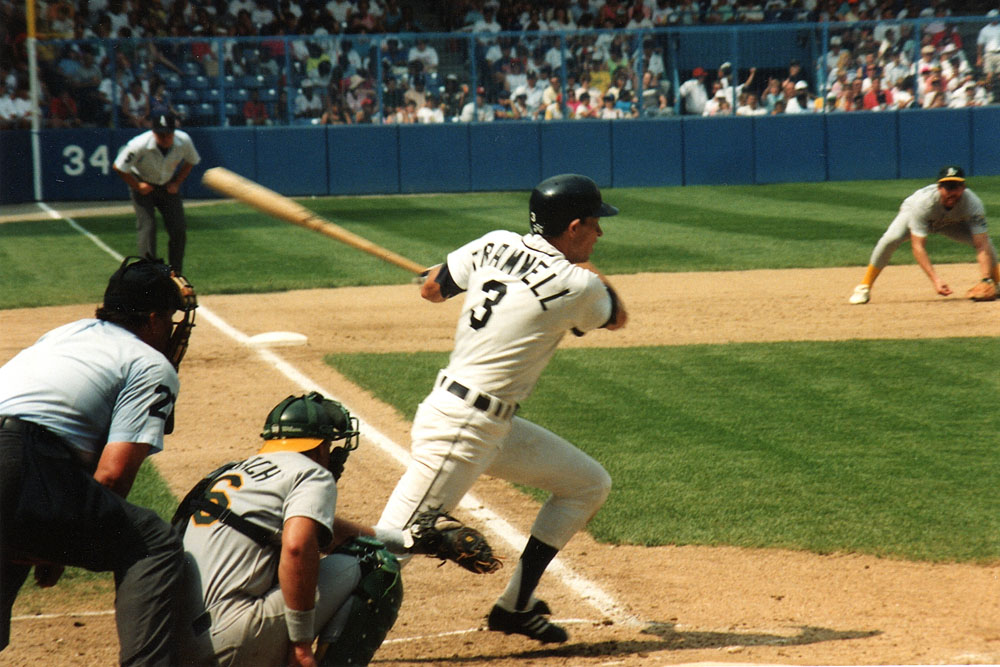
It took me a long time(almost too long) but after really studying his case, I believe Alan Trammell is a Hall of Famer. Trammell case has probably been hurt for a number of reasons. Trammell’s offensive numbers don’t pop out at you and he never reached any of the big milestones that voters look for when it comes time to fill out a ballot. The argument for Trammell though outweighs a lot of the negatives; Trammell has a career WAR of 70.4, which makes him 94th all-time and 63rd amongst position players. To go a step further, Trammell has a career dWAR of 22.0, which places him 34th all-time. Trammell was solid with the bat, winning three Silver Slugger awards and in 1987 probably should have won the American League MVP(which went to George Bell of Toronto). Trammell was a 6 time All-Star, the 1984 World Series MVP, a 4 time Gold Glove winner during a period where he competed with Cal Ripken Jr. for the award, and walked more than he struck out in 7 different seasons(and had the same amount of both in 2 other seasons). Trammell is the batter equivalent of Mike Mussina; he never blew you away with anything but he was so consistent for a long period of time that what he put together was a Hall of Fame career. Still aren’t convinced? Joe Posnanski has made the argument that if you are of the belief that Derek Jeter is a Hall of Famer, then you should compare his numbers with Trammell’s. Joe points out just how close Jeter and Trammell were as players, with Jeter holding a slight edge over Alan offensively, while Trammell was easily a better defender. If Ozzie Smith can get into the Hall on his defense, and Jeter will get in on his offense(and leadership; you know that will be brought up) then Trammell deserves to be in for being the better all-around player. The sad part is that this will be Trammell’s 14th year on the ballot, which means he gets only one more shot after this year and then his case will be handed over to the Veteran’s Committee. I wish I had really studied his case sooner, not that my lone vote would mean much. If anything I wouldn’t have underrated Trammell as much as I did, not realizing he was way better than the memory remembers. Now about his double play partner, Lou Whitaker…
So there you go, my 2015 IBWAA Hall of Fame ballot. I had also given a decent amount of consideration to Jeff Kent, Gary Sheffield and Mark McGwire but alas I wasn’t quite on board yet for either of those three. What I can say is that it is never too late to judge each case and compare and contrast with other cases in the past. Sometimes our memory fails us and doesn’t paint the entire picture we need to fairly assess the situation. I can only hope the logjam that has accumulated the last few years eventually gets weeded out and some deserving candidates get the call they deserve. I can honestly say I feel as if I put together a list of players worthy of the greatest of all honors, a plaque at Cooperstown. It’s not a church folks; it’s a museum that tells us the history of the game we love. These 12 players help tell that story, blemishes and all.
This past weekend I made a trek to my home away from home, Kauffman Stadium. With the temperatures reaching the mid-90’s on Saturday we decided to venture into the air conditioned Royals Hall of Fame, if for no reason than to keep cool. While in there we decided to check out a film the Royals have on the history of baseball in Kansas City. While we watched the video, I was reminded of just why Kansas City really is a baseball town. Near the end of the film they showed highlights from the Royals winning the World Series in 1985 and then proceeded to mention how former Royals manager Dick Howser would pass away just a few years later from brain cancer. They then discussed Buck O’Neil for a bit, showed a few highlights(including the Justin Maxwell walk off grand slam last year) and the film was over. Yep, the video basically wraps up after the Royals winning the World Series 29 years ago. As a longtime Kansas City fan, I felt a bit insulted. You mean we are supposed to believe that nothing has happened in 29 years? Trust me, I am well aware this team hasn’t appeared in the playoffs since then, and as fans we have endured MANY pitiful and craptastic teams…but we have nothing to show off since then? I disagree. In fact, I think they are quite a few things that should have been mentioned, even for just a mention in the film. With that being said, here are some moments I would have thrown into this film to celebrate this Kansas City Royals team.
1) Bo Jackson
Yes, I know Bo isn’t one of the greatest Royals ever. I realize that he was a shining star that we only got to marvel at for a few years. But in those few years we saw possibly the greatest athlete in Royals history and a caliber of player we might never see again in our lifetime. Bo wasn’t about numbers, unless you count the distance on homers or how far it is to throw a baseball from the warning track to home plate with no bounce. Bo Jackson was that special player that only comes along once in a lifetime and he was a Royal, through and through. The film could have shown a few highlights from his time with Kansas City and some of the mind bending feats Bo was famous for. Bo had his faults as a player but he was a big part of those late 80’s Royals team and someone who was one of the most mainstream athletes of that era. Trust me, Bo Jackson is a big part of Royals history, even if he only makes sporadic appearances at ‘The K’.
2) Bret Saberhagen Throws a No-Hitter
Bret Saberhagen was the ace of the Royals pitching staff from 1985 until he was traded to the New York Mets in the winter of 1991. But in August of that year, Saberhagen threw his greatest game ever, a no-hitter against the Chicago White Sox. It was an odd game in that Sabs let his defense do most of the work on this night, only racking up 5 strikeouts and 2 walks in his 9 innings of work. It was the fourth no-hitter in Royals history and was a cherry on top of a fantastic career in Kansas City. Sure, you could mention the two American League Cy Young Awards he won, or his All Star elections, but throwing in a clip of the last no-hitter in Royals history would have been a nice touch and a great moment for the Royals.
3) George Brett gets his 3,000th Hit
Brett is easily the greatest Royal in history and a man cherished by Royals fans everywhere. There were a few big accomplishments for George late in his career, like Brett winning his third batting title in 1990, the only man to record batting titles in three different decades. But his biggest moment late in his career was reaching the 3,000 hit mark, which almost assures a player induction into the baseball Hall of Fame(or at least it used to). Brett would have a four hit game that night in Anaheim and hit number four was lined past the Angels second baseman for the momentous hit. Brett would wrap up his career a year later, but throwing in this key moment in Royals history would seem like a “must have”.
4) A Cavalcade of Stars
For a long time in the late 90’s and early 2000’s the running joke around baseball was that the Royals were a farm club for the bigger market teams like the New York Yankees. It wasn’t literally like that, but it was fairly well known that when a player would start to become a star for Kansas City they wouldn’t be able to re-sign them and would have to deal them before they became a free agent. The bigger point was that the Royals were developing stars that would shine on the baseball diamond. Johnny Damon, Carlos Beltran, Jermaine Dye and Mike Sweeney all became star players during this period and pointing this out in the history of this team isn’t a bad thing. Sure, it sucked that the Royals felt forced to trade all of them(besides Sweeney) but these were all guys that we could say were Royals first(or in Dye’s case the place that gave him a chance to be a starter). To go a step further you could also point out in the film all the other talent the Royals have produced in the last 30 years, including the stars of today. What better way to point this out than to show three players who have been All-Stars for Kansas City the last two seasons: Alex Gordon, Greg Holland and Salvador Perez. This franchise has produced some major talent over the years and it’s something that should be marked down in the team’s history.
5) Zack Greinke is Spelled ‘Cy Young’
Zack Greinke had a special 2009 season. A season that very few pitchers have ever achieved. A season so good that he would become the American League Cy Young Award winner that year. Most remember his messy exit out of Kansas City but for awhile there he was the heart of the Royals, a true ace on a losing team. Greinke would go 16-8 with a major league-low 2.16 ERA that season and received 25 of 28 first-place votes and three seconds for 134 points in balloting by the Baseball Writers’ Association of America. Greinke was so dominate that year that the Royals scored just 13 runs in his eight losses and 21 runs in his nine no-decisions. He failed to get a victory in six starts in which he allowed one run or none. The Greinke/Royals relationship would become ugly soon enough, but for that one season the Royals could champion that they had the best pitcher in the American League.
I’m sure if I thought about it more I could come up with many more positives the Royals have had over these past 29 years. Whether it is the 3 Gold Glove winners the team had last season or some of thrilling moments at ‘The K’, it’s not all been bad during this team’s playoff drought. We all acknowledge that there have been some rough times and we don’t want to relive most of them. But there are some great moments or personal seasons that the Royals could throw into their film and truly show the history of a great franchise. I don’t want to discourage anyone from watching the film at the Royals Hall of Fame; it’s a great film and deserves your time. But I think it could be better, and the suggestions above would make a great start. Who knows? Maybe this Royals team can secure a playoff spot this year so the team is forced to make a new video. Weirder things have happened. Don’t believe me? Just go back to 1985…
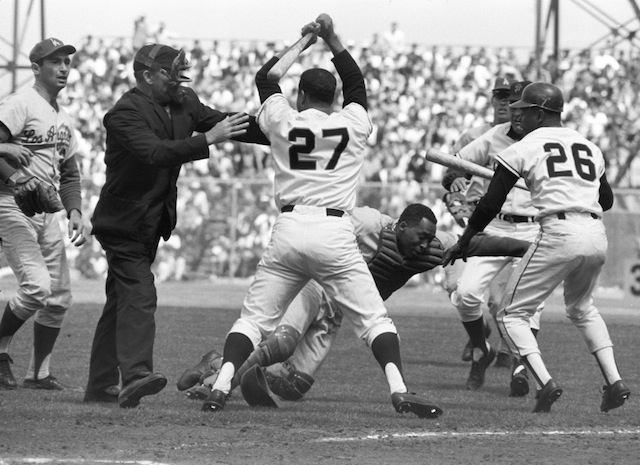
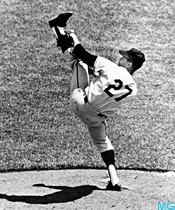
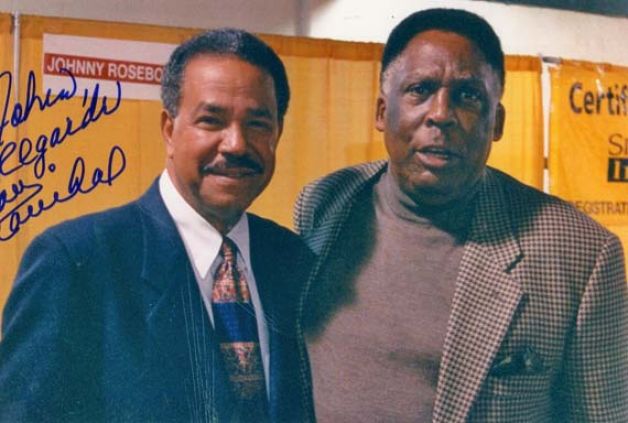
I became infatuated early on in life with baseball. By the age of ten it was what my world revolved around(that and Star Wars) and I began finding out everything I could about the game, including it’s history. Many images blazed a trail in my mind early on, like the video clips of Babe Ruth running fast around the bases or Pete Rose’s headfirst slide. But when I read about Giants pitcher Juan Marichal hitting Dodgers catcher John Roseboro with a baseball bat, I couldn’t get the image out of my head. Things got so bad that the batter hit the catcher with a bat? Whoa! This just never happened in baseball, yet at one point things got heated enough that a man hit another man in the head with a baseball bat. I knew the Dodgers and Giants rivalry was heated, but this was another level. I never learned much of why this happened but I’ve always been curious. Thanks to John Rosengren we now know.
Rosengren spends a lot of the early portion of the book discussing both Marichal and Roseboro and the early portions of their life, both before baseball and early in their careers. The picture that is drawn is one of two different people; one grew up in the Dominican Republic, the other in Ohio. But as much as those locations couldn’t be farther apart, they both knew what it felt like to be treated differently because of the color of their skin. You learn that Marichal is a warm, gentle man who felt he was misunderstood a lot once he got to the United States. Roseboro’s family was one of only a few of color in Ashland, Ohio, but John didn’t deal with a lot of the racial prejudice that many faced around the country at that time. John excelled in sports in school but was also a quiet man who didn’t socialize a lot. As much as you want to learn about the fight and how and why it happened, learning about the two players involved helps give you a better feel about the incident and how this was just an isolated incident, not a pattern of anger or violence.
Maybe the most interesting part of the book is Marichal discussing some of the prejudice he encountered against Latinos in the game. Most of us are aware of the issues that African Americans encountered in baseball for the longest time, even after the racial barrier was crossed. The picture painted of was one of Latinos being taken advantage of by managers, owners and even Major League Baseball in general. A pitcher like Marichal, who at the time was very close to being the equal of the Dodgers Sandy Koufax, could never make close to the money Koufax was making. The language barrier was a big issue for many Latinos and in a lot of cases where Marichal was hurt or sick, the club just thought he was being lazy and didn’t want to “fight through it”. It is a real eye opener to realize that as much as we realize the biggest black eye on baseball throughout its history has been racial prejudice against African Americans, there was just as much prejudice going around for Latinos. The fact that both Marichal and Roseboro dealt with these issues while playing in the big leagues showed that these two men were more alike than either would have realized.
Now onto the fight. What you really get is that this was a perfect storm. Obviously the Giants and Dodgers playing each other means emotions are already heightened. Two teams, jockeying for position in a playoff push while already having quite a bit of dislike for each other is a recipe for disaster. I won’t give away what leads to the fight, but what I will say is that Marichal did not strike Roseboro out of anger. This fight might be the ugliest on a major league ball field in history and most of us can agree that something like this should never happen ever again. It’s interesting to hear how both sides felt after the incident and how the public and baseball felt. As much as the media wasn’t even close to invasive as it is now, there was still a very one-sided view of what happened, which still happens the majority of time today. The counter-effects of the fight were numerous and felt by both parties, which the author does a great job of relaying both and not taking a side either way.
Over the years neither player was able to leave the incident behind them, as whenever either player was brought up, so was the fight. Time painted Marichal as the bad guy and Roseboro as just being in the wrong place at the wrong time. Over time Marichal would reach out to Roseboro, and the two men would even be able to bury the hatchet. For a number of years Marichal, despite having the numbers, wouldn’t be voted into the Hall of Fame, many citing the fight. This whole section of the book is a great view into the two former players relationship, as Roseboro feels the need to set the record straight and vouch for his friend, Marichal. Two men who at once were enemies on the field would grow a friendship that many former players never achieve, yet along two that were once at odds.
To read about not only how close Marichal and Roseboro became but also how close both families would become really pointed out how we all make mistakes and holding onto anger doesn’t hurt anyone but yourself. John Rosengren did a great job of focusing more on the human aspect of these two men than just what they were as ballplayers. By the end of the book you really feel like you know the two of them and that they were not only good players, but good human beings. If you are a baseball fan you will love all the baseball talk that is in the book. But this is not just a baseball book; this is a book about two people, from two different worlds. One incident connects these two players for life but do not let it define them. Juan Marichal spoke at John Roseboro’s funeral and probably sums up everything the best someone could:
“Johnny’s forgiving me was one of the best things that happened in my life,” he said. “I wish I could have had John Roseboro as my catcher.”
I highly recommend following John Rosengren on twitter and also going and purchasing the book here. This is a great read that I will be picking up again at some point.
(Writer’s Note: I originally wrote this a couple of years ago for a weekly feature I do during the baseball season for 14 KVOE Emporia. I stumbled across it today(ie. I cleaned my desk) and wanted to share it with everyone)
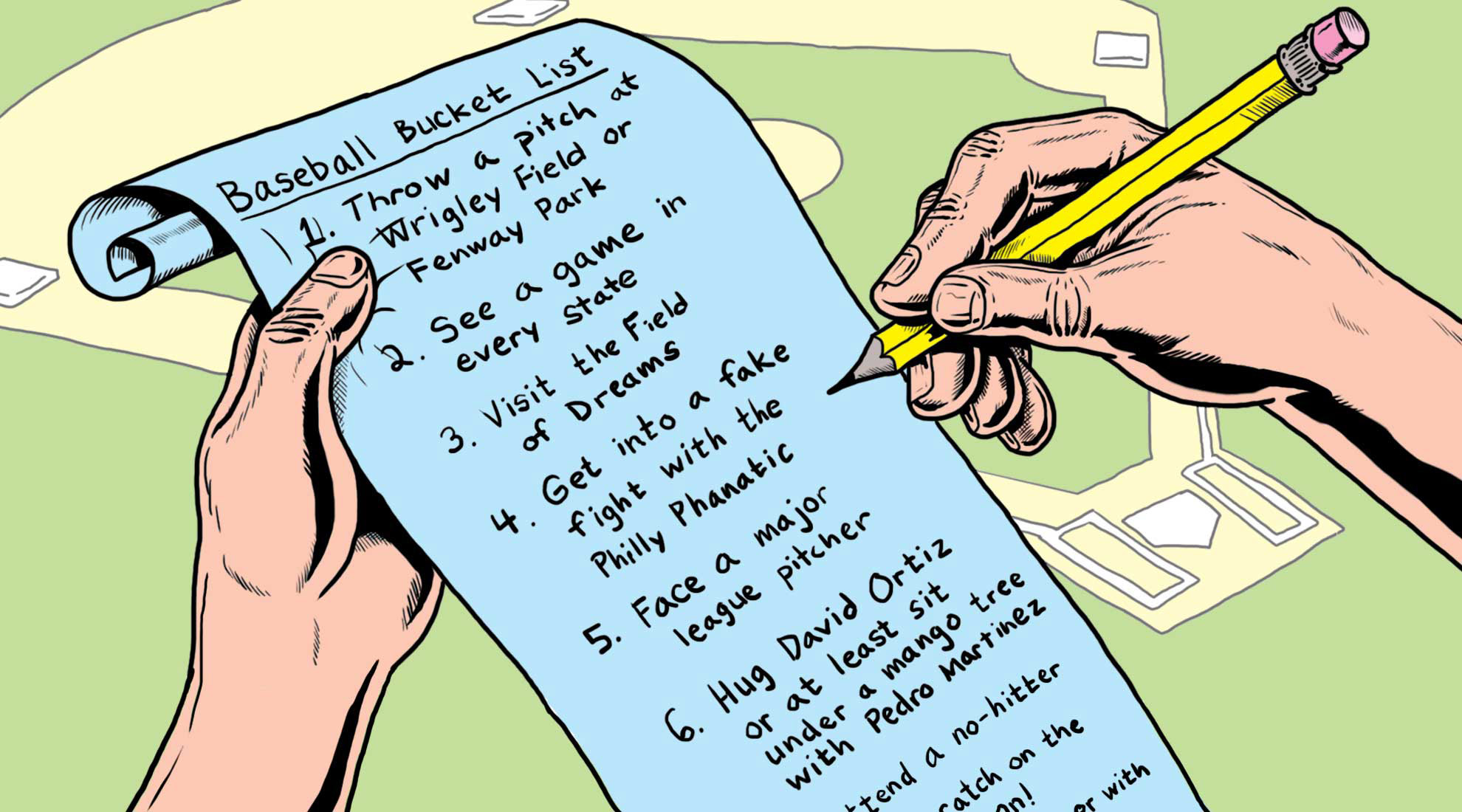
Most people have a bucket list, a mental list of places or things they want to do at some point in their life. I have a baseball bucket list, or baseball related places I want to visit at some point before I die.
The big thing on that list is to visit every one of the Major League baseball stadiums. So far, I’m not very far into that, as I can only count three on my list, including Busch Stadium in St. Louis this past weekend. The initial plan was to do this some summer when I retire but I’m thinking more and more of going to a different stadium every year.
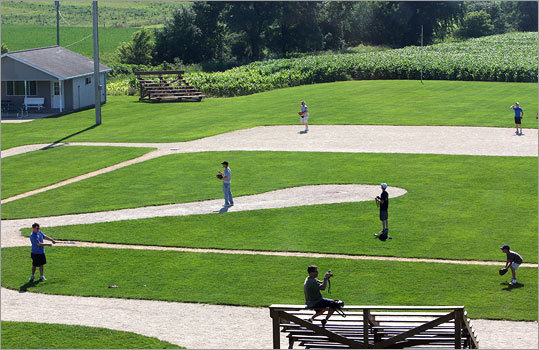
Also on my list is to visit the ball field where the movie “Field of Dreams” was filmed. It seems a bit corny but I’ve always thought the look of the field was reminiscent of the old ballparks, which I am a sucker for. The farm where it is located was sold this past year and plans are to expand it into a baseball and softball complex to be named All-Star Ballpark Heaven. Maybe on a return trip back from Minnesota I could swing through Iowa and visit this iconic baseball field.
Speaking of old ballparks, I would love to visit the former sites of Ebbets Field and the Polo Grounds in New York. Both are stadiums that had their own unique feel to them and to see where they once stood would be an interesting peek into baseball history.
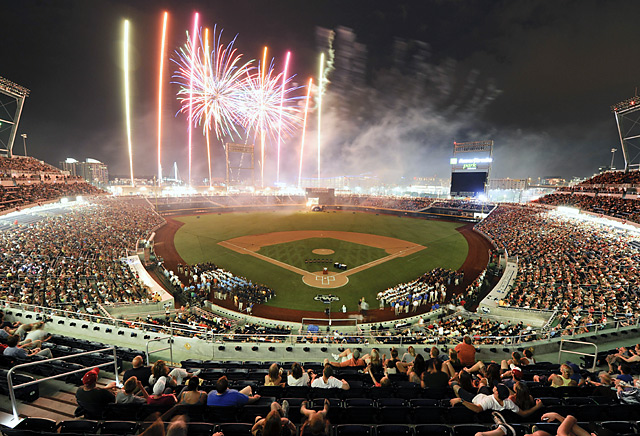
Last on my baseball bucket list is to visit Omaha and attend the College World Series. Sure, it’s not quite the same as when Rosenblatt Stadium was still the home park, but it is still the College World Series! To take in this once a year event and get a feel for it would be a really cool experience.
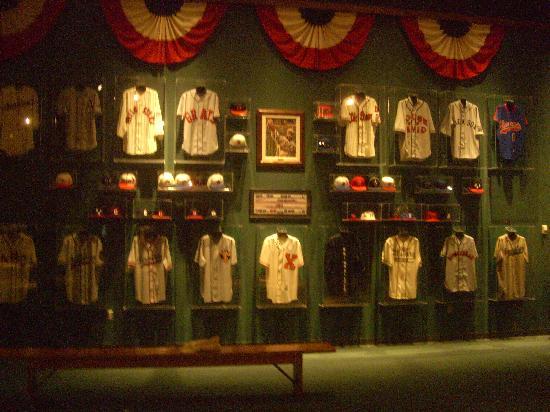
Of course there is more I would like to do that just isn’t on my list. I would like to visit the National Baseball Hall of Fame in Cooperstown again, as I was able to go back in 1999, so it is not an urgent requirement. I also plan on going to the Negro League Museum in Kansas City but I am planning to cross that off my list later this year(writers note: I visited the museum in October and it was fantastic!). Also, to attend a World Series game would be pretty thrilling but I’m holding out for the Kansas City Royals to get back to the Fall Classic. I know, I might be waiting awhile but I can still hold out hope. Overall, it’s a pretty long list. But when someone has a dream, anything can be accomplished.















 Bleeding Royal Blue