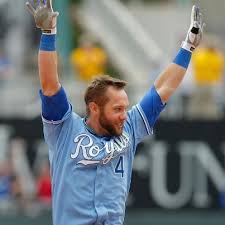
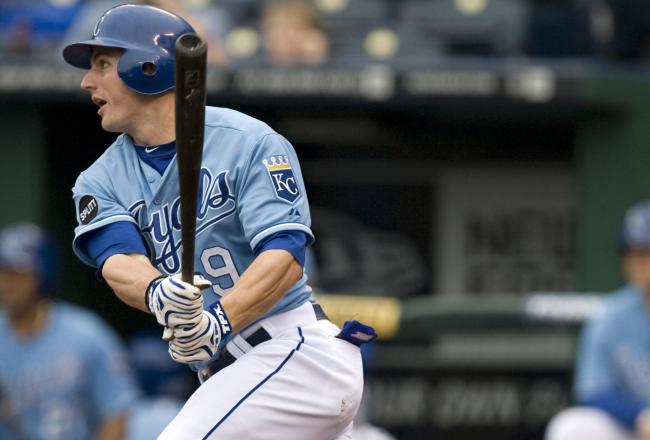
It seems weird to think about how far Alex Gordon has come over the past couple seasons. It seems such a long time ago that Gordon was written off by some as a bust and a failure as a former #1 Draft Pick. Who would have guessed that a move from third base to the outfield would unlock the potential that most felt A1 had all along? But it really isn’t as simple as that. It took more than a position change to get Gordon from where he is at today-as possibly the most underrated player in baseball.
The first move seemed like a simple, last grasp move by the Royals. After years of being a third baseman, the team sent Gordon to AAA Omaha to work on learning the outfield. The thinking was he would have to think less playing out in left field. But there was more to it than that. From day one, Gordon had been compared to Hall of Famer George Brett. Now, Gordon wasn’t the first Royals prospect to be compared to Brett, and in all honesty probably won’t be the last. Since they played the same position, it was that much easier for everyone to make that comparison. Gordon was supposed to pick this team up and be an All-Star from day one. Instead, he floundered at the plate and in the field. No one will ever know how much pressure Gordon felt, but playing the same position as the organization’s greatest player makes it that much harder for him to reach those lofty expectations. So Gordon was sent to Omaha in 2010 to learn the outfield and hopefully be the change he needed to tap into the potential of the newest Kansas City savior.

Changing positions was just step one in unlocking the Gordon everyone wanted to see. Step two was working on his hitting. Gordon had always had a good eye, even when he played at the University of Nebraska. You could even tell that during his rookie season. The bad part was a green rookie from Nebraska wasn’t going to get the calls that a veteran gets. So we saw a lot of Gordon taking strike three calls, pitches that he thought were off the plate. He also started to get a little pull happy, so what once was a hitting machine had turned into a .250 hitter in the major leagues. Add in an attitude of knowing what he was doing, and you have a recipe for disaster. Rumors had floated around for years that one spring Brett tried working with Alex on his hitting, just giving him a few tips. Instead, the word was that Gordon blew him off. I have no idea if this is true or not, but if it was it shows why Gordon struggled at the major league level for such a long time. But by the time 2010 ended, A1 knew something had to change. Insert Kevin Seitzer here.
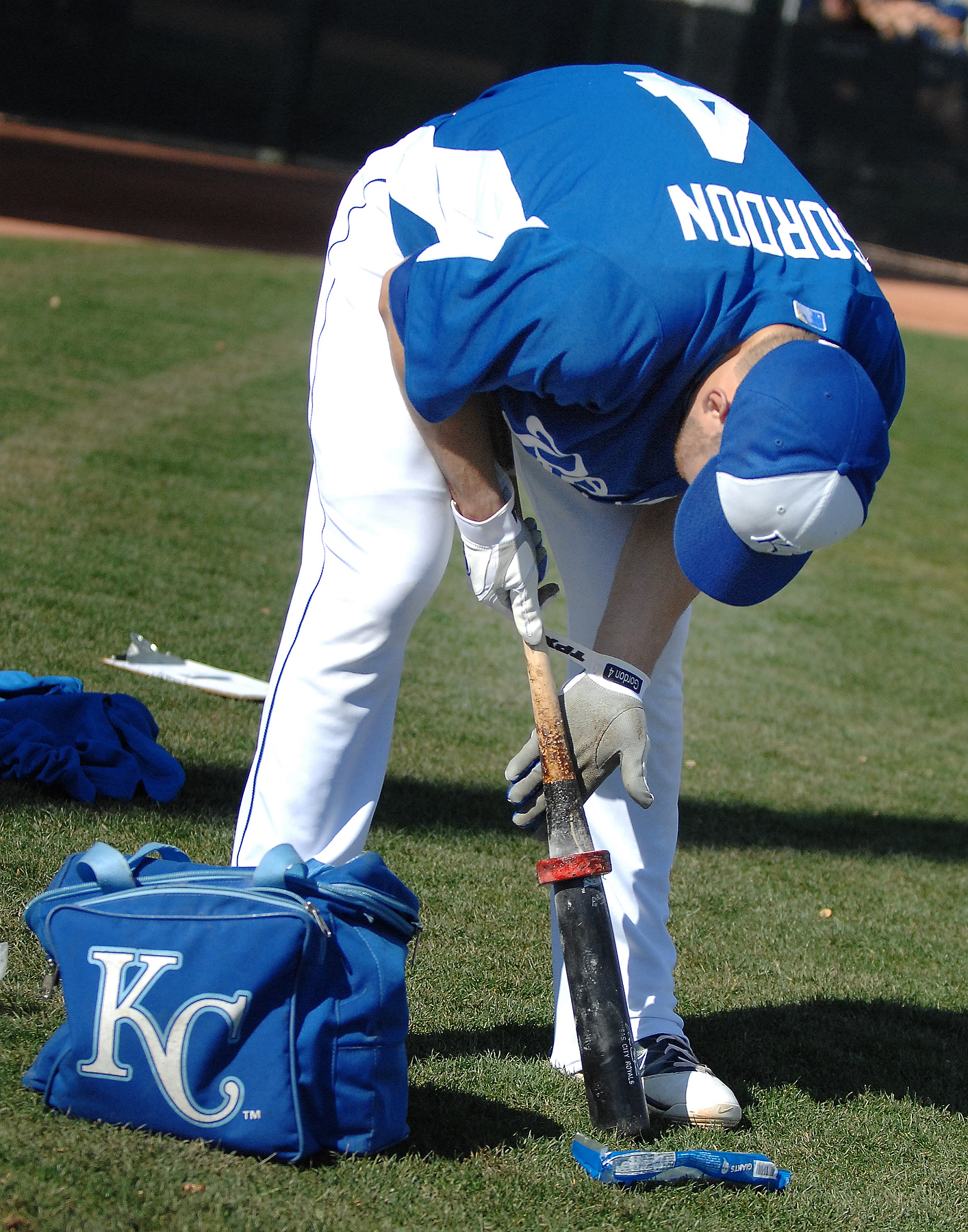
In the spring of 2011, former Royals player and then hitting coach Kevin Seitzer began working on Alex Gordon’s swing. The first move was to get him to quit pulling everything. Seitzer was a singles and doubles hitter during his career, and he seemed to preach the same sort of philosophy to his players. Seitzer began teaching Gordon to go up to the plate with a game plan, and also to just think base hits. Gordon himself admitted that for the longest time he was focused on going up and hitting a double or a home run instead of just playing it nice and easy. Most have felt since the day he was drafted that Gordon was a hitter with power and should show that. The problem was that was all he thought about, instead of just keeping it simple. Seitzer re-trained him to be a hitter instead of trying to be a slugger. Once Gordon started seeing results in 2011, everything else fell into place and Gordon swore by Seitzer’s teachings. Even in 2013, with Seitzer out of the picture, you can still see his teachings when watching A1 at the plate. Gordon has evolved into one of the better hitters in all of baseball, as 2011 would eventually show us.
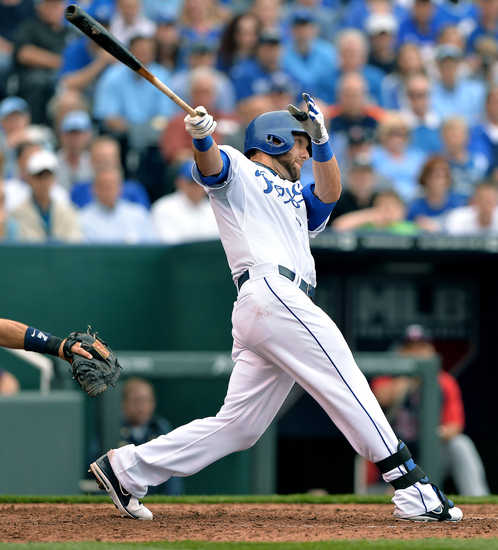
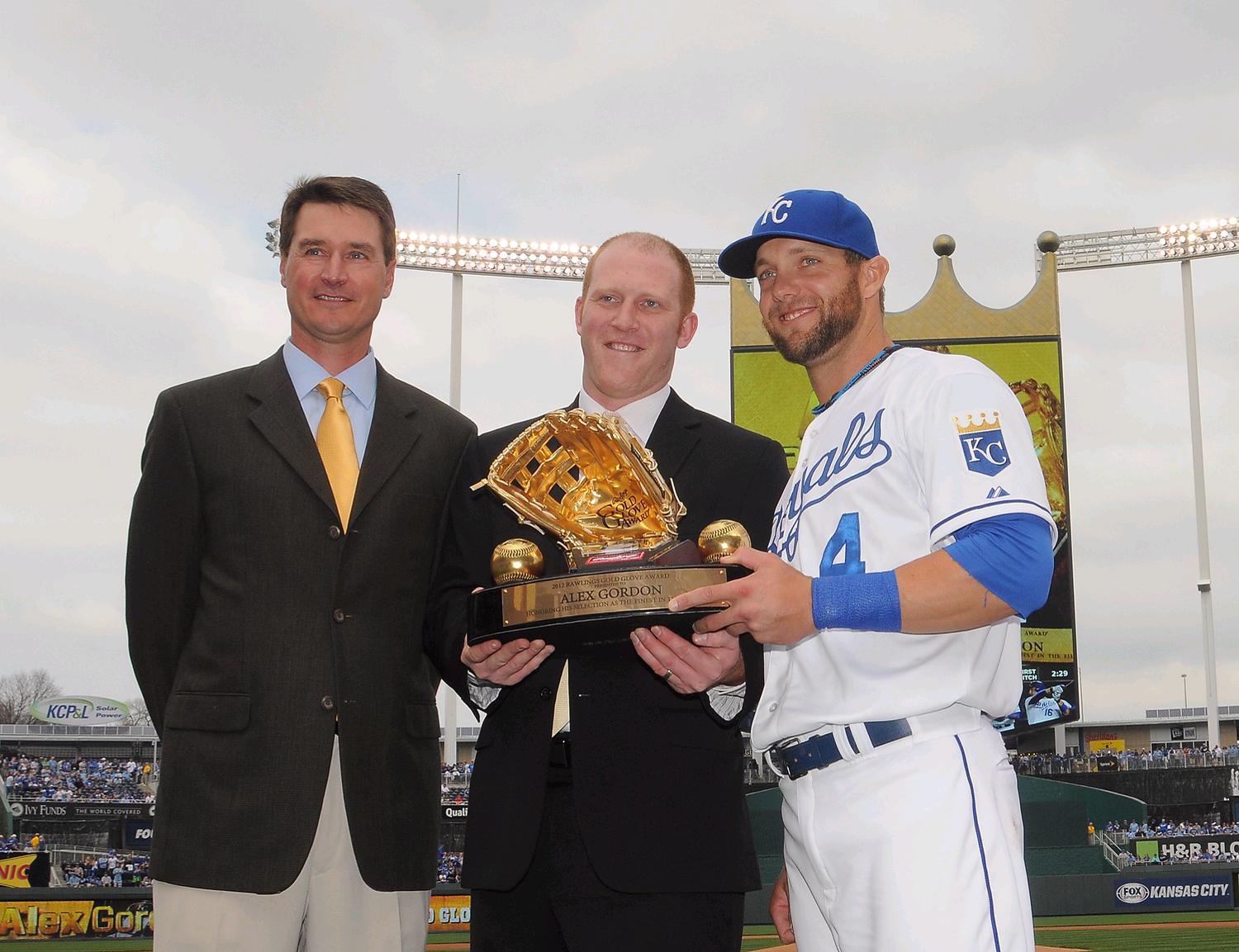
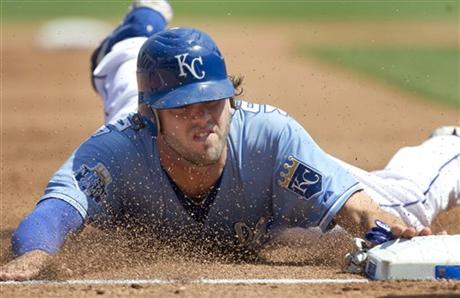
2011 was Gordon’s coming out party. In 151 games, Gordon hit .303 with 23 homers and 87 RBI’s. Those are just main surface numbers though. Manager Ned Yost also moved A1 to the lead off spot early on in 2011 and was able to boost his numbers even more. Add in 17 steals, 45 doubles, and a WAR of 7.3, and even though Gordon wasn’t your typical lead off batter, he showed a level of comfort with his spot that had never been seen before. The Alex Gordon that we had all hoped to see when he was a rookie was finally here in his 5th year in the league. To top off those numbers, Gordon also proved a quick learner at his new position, with 20 assists in the outfield and a .991 fielding percentage. Thanks to those numbers, Gordon would rack up his first Gold Glove award for his play in left field.
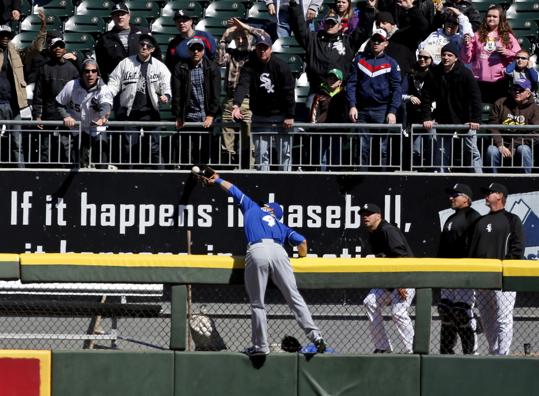
2012 was more of the same from A1, as he would finish with a .294 average, with 14 home runs and 72 RBI’s. Gordon would also tally 51 doubles to lead the league, but these numbers don’t really stress just how his year evolved. Gordon started out the year slumping, and was bounced around the order most of the year by Yost. Gordon was most comfortable at lead off again, but by August he was regularly batting 3rd in the order and protecting Billy Butler in the lineup. Butler would get most of the press in 2012 for his offensive numbers, but the argument could easily be made that Gordon had just as good a year for Kansas City. Adding to all this was Gordon’s second consecutive Gold Glove Award and finally baseball was paying attention to his defense, if not the total package.
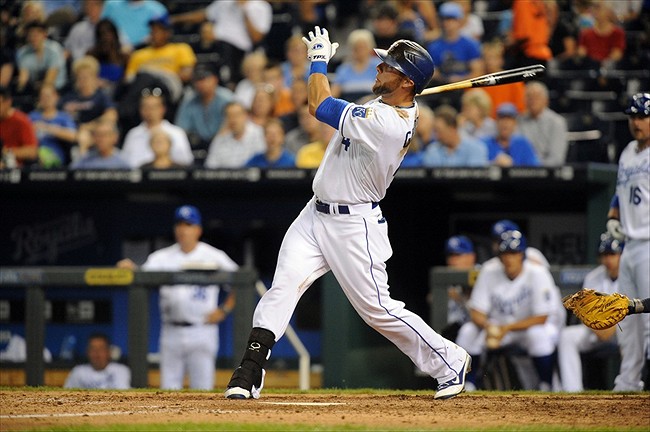
This year looks to be another stellar year so far, as a month in we are looking at about the same numbers that he has amassed the last few years. So why is Gordon not talked about when mentioning the best players in the game? Obviously, playing in the Kansas City market alone means you won’t get the coverage of a player in Boston, New York or Chicago. But market alone does not dictate why he has been overlooked. Gordon’s power number’s have never been what many in baseball felt he could do, and whether we like it or not, those numbers are still thought of as a prime number to look at to value a player’s worth. Never mind that 51 doubles are just as good as 20 some home runs, especially considering a good number of those help drive in runs. If anyone noticed last year, Billy Butler’s power numbers went up, while his doubles went down a bit. In the grand scheme of things, that is no big deal. But people heard a lot more about Butler in 2012 than they did Gordon. If Gordon had sacrificed a few hits to try to hit the ball out of the park, he might have gotten noticed more. But if he did that, he might not be the player he is today.

So will 2013 be the year that Alex Gordon is fully recognized for just how good of a ballplayer he has become? With the way he has played so far, there is a good chance he could be making an appearance in the All-Star game come July. His numbers even indicate we could see his home run numbers spike back up near his 2011 total, especially considering he might be the strongest hitter on the team. He has also been the most clutch hitter the Royals have this season. There are very few flaws in his game right now, so it seems he could be poised for his best year yet. I feel bad for some baseball fans that don’t get to watch a player of Gordon’s caliber on a regular basis. When you don’t, you don’t make comments like I made last week to a co-worker. The Royals had tied the Tigers and the two teams were preparing to go to extra innings. I was leaving work when it was mentioned to me. Apparently(I say apparently because I only faintly remember this conversation), I said “Good. Just gives Gordon one more chance to hit another home run and win the game for Kansas City” or something to that affect. Gordon then hit a grand slam, his first career one, that could have possibly been hit out of Yosemite National Park. When it’s your team’s best player, you know anything is possible. It’s just time now for the rest of baseball to figure this out.


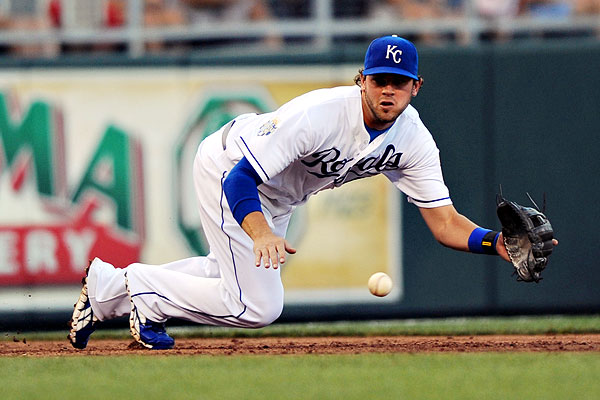
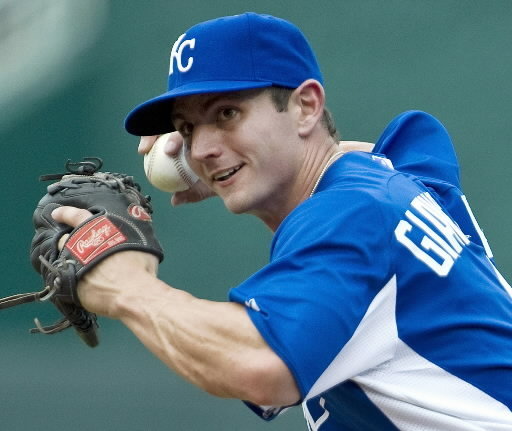


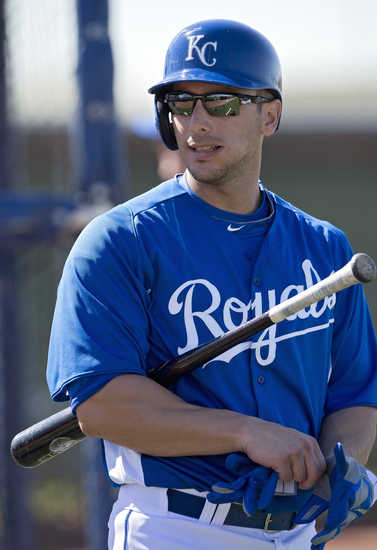
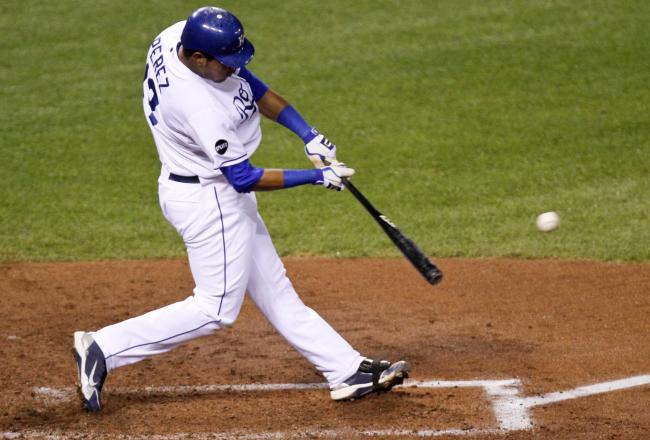

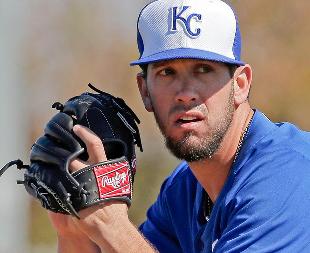




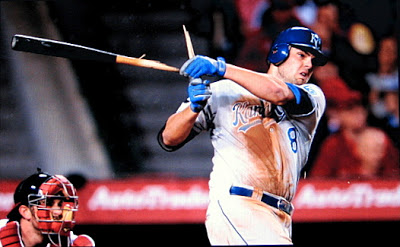






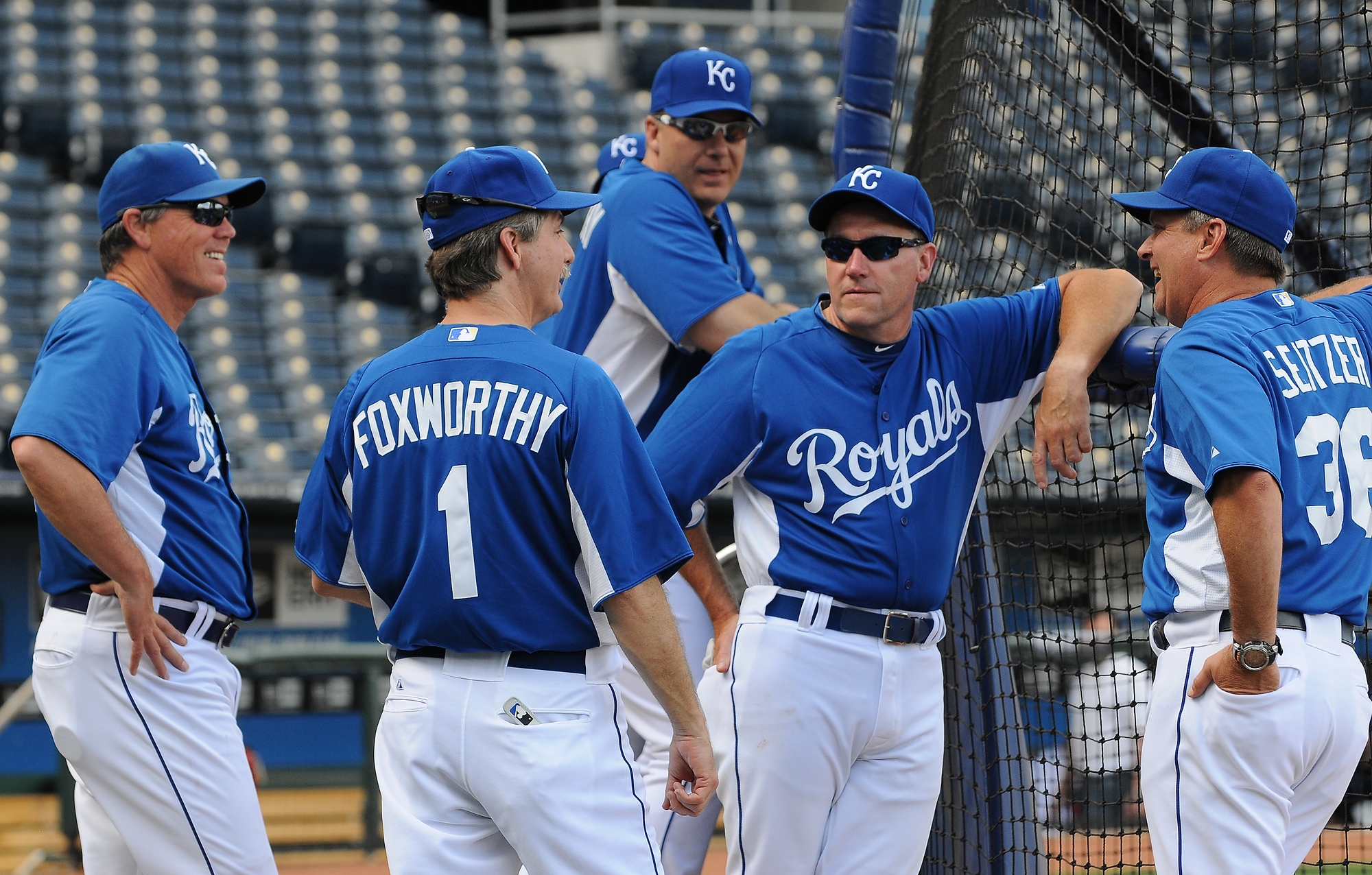




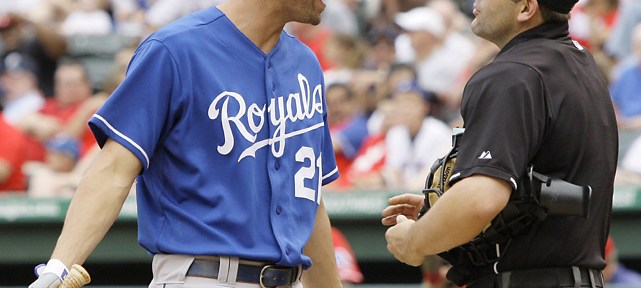


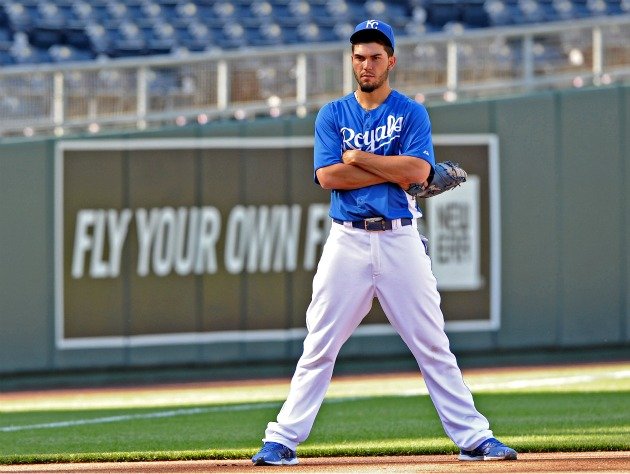 A giant ‘if’ going into 2013 is whether or not Eric Hosmer and Mike Moustakas can get around their sophomore slumps. Hosmer looked lost most of 2012, never really getting into a groove and not looking like a future MVP, like some had predicted(man, who would have done that??). Moustakas had a really good first half, and overall improved his defense by leaps and bounds, but Moose also slumped badly in the second half. In Moose’s case, I wonder just how much his lingering knee issues affected him in the second half. Both will get two new hitting coaches to work with, and hopefully, turn them around. Both guys have always hit, so it seems inevitable that they will return to past glory. But nothing is assured, and it seems odd to me that Royals management is acting like it is. We don’t know which version of these two we will get in 2013, but if it is anything like 2012, Kansas City can kiss those playoff chances goodbye.
 So acquiring James Shields doesn’t assure the Royals a playoff spot in 2013. I didn’t even mention how the Royals need to stay healthy, as Salvador Perez and Lorenzo Cain both spent more time than they should have on the disabled list in 2012. The Royals are going to have to have a lot of things that didn’t go right in 2012 go right in 2013, that is for sure. I know we are all excited that we could have a playoff game in Kansas City, but I think the American League Central will be better in 2013, and the Tigers just re-signed Anibal Sanchez. This team definitely seems like it will be better than this year’s bunch, I can almost guarantee it. But they still feel like a .500 or just under team. All I am saying is lets be realistic about this. Let’s not think that we need to print off playoff tickets before the team even reports to Spring Training. 2012 should have showed the overly optimistic that there is a reason the games are played.
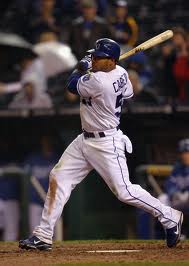 Once Dayton Moore took over as General Manager of the Royals, the team moved to sign better players and would pay them extra to come to Kansas City. The problem was that Dayton was signing level B and sometimes C or D free agents and practically giving them the keys to the city. Gil Meche was the first of these signings and if it wasn’t for former Manager Trey Hillman misusing him, the team would have gotten their money’s worth of that deal. Since then we have been abused with the ultimate clubhouse cancer Jose Guillen and Jason “Rewind Yourself” Kendall. It is almost like Moore felt like players of that level was the best they could do. I guess that is part of the problem here. When you believe that, everyone else will believe that as well.
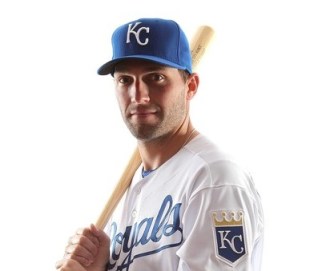 Now, to be fair, some of Dayton’s signings have worked. Bruce Chen was picked up off the trash heap and up until 2012, seemed to be playing above himself. Chen was signed at a low cost, but high value with both his play on the field and his jokes in the clubhouse. Unfortunately, he was then given a two year contract that has seemed to be one of many albatrosses around the Royals financial neck. Melky Cabrera and Jeff Francoeur were two former Atlanta Braves that seemed to be on the downside of their once promising careers. A move to Kansas City in 2011 seemed to be a godsend as both players played above their past performances and helped solidified both the lineup and the outfield. Francoeur would sign an extension that seemed questionable at the time and horrific in the present, while Melky would be traded to San Francisco, have the best first half of his career, win the All Star Game MVP, then get busted for PED use. These two signings worked wonders for 2011, but looked awful by May of this past year. The Royals are a team that should constantly be looking to rebuild players who just need a new environment, but need to be selective about these signings as well.
 So this leads us to this offseason, where everyone and their mother is aware that the Royals want(and desperately need) pitching. We’ve heard over and over that the Royals will have to overpay or give a player extra years to get them to come pitch in Kansas City, but is that true? I know some scoff at this, but I believe it is. The Royals have a really good nucleus of young talent, with Perez, Escobar, Moustakas and Hosmer added to lineup mainstays like Gordon and Butler. The thinking is that if the Royals could just get some pitching, this team could make a run at the playoffs. There have been a number of pitching talents on the free agent market this winter, and some have signed for very cheap money. Brandon McCarthy just signed a two year deal with Arizona for $15.5 million. The Royals easily could have afforded just under $8 million a year, especially considering that they will be paying Ervin Santana $12 million for in 2013. Edwin Jackson is still on the market as is Shawn Marcum. Both could garner a one or two year deal for right around that same amount of money. Instead, the Royals seem content shopping top prospect Wil Myers in a deal for a top starter. That is all fine and good if they are able to pull in a David Price or any other top of the rotation starter. But the names being floated around aren’t of that ilk. All we hear are the Shields’, Dickey’s and Lester’s of the world. All are fine pitchers and better than anything the Royals have now, but are they worth losing the next six years of Myers? Um, no.
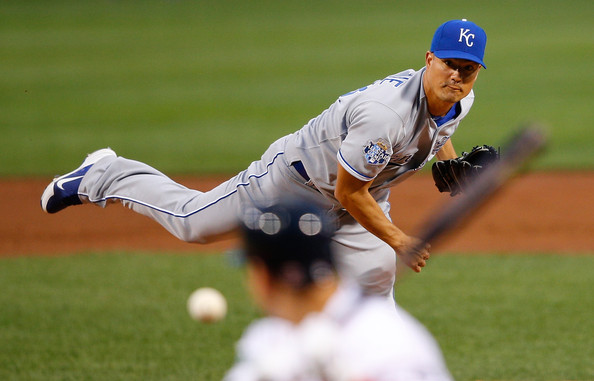 So why aren’t these pitchers coming to Kansas City? Well, I do believe part of it is Dayton Moore hasn’t really pushed for them. Ryan Dempster’s name has been tossed around, and the team offered him more than the Red Sox have. But he also wanted a third year on the deal, while Kansas City has only been willing to go two. I agree with them only wanting to give him two, as he is in his mid 30’s and had a hard time adjusting to the American League this year. But I have to believe part of why he won’t come to Kansas City is because this team just doesn’t win. Seventeen of the last eighteen seasons have been losing seasons in KC, and with the management in charge now, it would appear we are gearing up for season eighteen of nineteen. Most players want to win, but can be swayed away from winning if it means more money. If you aren’t getting the top dollar, you don’t want to sign with a perennial loser unless you think they have turned a corner. The Royals took a side road in 2012 and their road map didn’t seem to ever steer them onto the right highway. Players notice that and the losing atmosphere does not endear players to want to sign with the Royals.
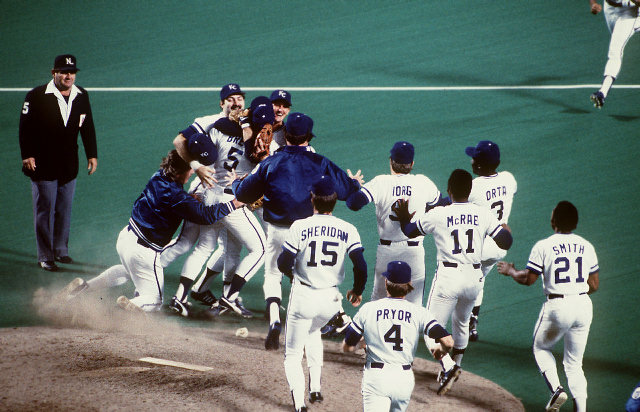 So yes, the Royals do have to overpay to get major name free agents to play in Kansas City. Or at least they will until they put together another winning season. Having management value the wrong players will hurt as well, but until those members are gone( [cough] Dayton) we are stuck with a team that can’t even compete with the Baltimore’s and Brewer’s of the world. One day this awful cycle will be undone and the Royals will be a winning franchise again. Let’s hope this happens sooner than later.


 Bleeding Royal Blue