Ohtani Headed to Disneyland, Stanton to the Bronx

kc1
Credit: The Japan Times

The ‘Hot Stove’ season has felt lukewarm at best since the World Series wrapped up, with a number of reasons at the forefront. Two very big reasons for the lack of action was a number of teams focusing their attention on Japanese star Shohei Ohtani and Marlins slugger Giancarlo Stanton. With the Winter Meetings looming on the horizon, both players have punched a ticket to their 2018 destination and it appears on the surface that the rich just got richer.

kc2
Credit: Sports Illustrated

Ohtani announced his intentions on Friday to sign with the Los Angeles Angels and while I’m sure a few teams felt slighted (I’m looking at you, Mariners and Cubs), the more I’ve thought about it the more it makes sense for him to play with the Angels. For one, Ohtani instantly moves to the front of the Los Angeles’ rotation, as Garrett Richards is probably better suited to be in the 2nd or 3rd slot of a major league rotation. Second, with the Angels loaded in the outfield (Mike Trout, Justin Upton, Kole Calhoun) it means Ohtani will almost exclusively be used at DH whenever he is in the lineup. The less time he spends out on defense the better, since that opens up more opportunities to get hurt and the Angels need him pitching more than anything.

Third, being teammates with Trout is a plus. With Ohtani playing beside the best player in baseball, it means Shohei won’t always be the focal point of attention and it means occasionally he can fade into the background. It won’t be the majority of the time, but it will allow him some room just to play baseball. Fourth, the Angels aren’t too far off from being a playoff team. The team stayed in the pennant race until the last week of the season this year and adding Upton for a full year, a healthy Trout and now Ohtani, it should improve the team’s chance of seeing October baseball. Baseball is better when their best players are showcased in October and Trout is the best while Ohtani could end being in that category.

With all that being said, it will be interesting to track his adjustment to American baseball. While we have seen guys like Ichiro Suzuki and Hideo Nomo have instant success once coming to America, they also both were in the back half of their 20’s when they made it to the big leagues. Ohtani will be just 23 years of age when he plays on opening day and he would appear to have more eyes on him than Ichiro and Nomo had combined. Also, I still contend that by the end of his contract he won’t still be a two-way player. I totally get the want and need to see if he can do both on a regular basis, but at the end of the day his true value for the Angels is on the mound, not the 3-5 at bats he racks up in a game. I know there is a ton of interest to see if he can be the “Next Babe Ruth”, but I feel there is a greater chance he becomes the “First Shohei Ohtani”…and there is nothing wrong with that.

kc3
Credit: New York Post

The other big news of the weekend was the acquisition by the New York Yankees of Miami slugger Giancarlo Stanton. For weeks there were discussions of Stanton moving on to the Cardinals, or the Giants, or possibly even the Dodgers. But at the end of the day, the Yankees swooped in and took ownership of the massive slugger and his massive contract. Now I know there are a variety of talking points that have already been hit on with this trade, but I wanted to cover a few just for me personally:

  1. While I am no fan of the Yankees, the one thing this organization does most of the time is put their team in a position to reach the playoffs. We can boo-hoo all day about how much money the Yankees can eat, but remember that big contracts do not always equal on-field success. Remember the Padres spending all that money in 2015? What about the Red Sox of 2016? Or even go back to the early 2000’s and the Yankees additions of guys like Kevin Brown and Randy Johnson? While the Yankees have once again gone and done what the Yankees do, they still have to go out there and perform on the field and rack up W’s. Plus, be honest: would you really want your team to take on Stanton’s ridiculous contract?
  2. Also remember that Stanton isn’t the definition of health. Over the last six seasons, Stanton has played 130 games or more just twice. That is not to say he will go and get injured next year, but do remember that he has had a proclivity of  ending up on the disabled list throughout his eight-year career.
  3. I have always been told that baseball is better when the Yankees are good because so many of us despise the ‘Bronx Bombers’. While there is some definite truth to this (I will almost always root against them, with very few deviations), I can also tell you that if they had advanced to the World Series this year my interest in the series would have gone down tremendously. There is a difference between ‘rooting against’ and ‘not giving a damn’ and the line is very thin between those two things.
  4. While I agree with most that the new ownership group in Miami is off to a horrible start (especially in the public relations department), I don’t fault them for trading Stanton. That contract was awful from day one and none of us really believed he would stay in Miami for the duration of the deal. The Marlins did what any other ownership group would do, which is look into ridding themselves of that bloated contract. That being said, they did fumble everything else when it comes to dealing him, as evidenced by the fact he ended up in New York. If he wasn’t going to accept a deal to St. Louis or San Francisco, why waste all that time working out a deal? Maybe they should have talked to Giancarlo, figured out who he was willing to accept a trade to and then talk to those teams? The Marlins look like bumbling idiots for spending weeks on end trying to work something out and at the end of the day they had to work out a deal with the team in the largest market in baseball. It has not been a good start for the Derek Jeter-led group as they begin their tenure in Miami.
  5. Finally, I am already dreading listening to baseball outlets discuss the Stanton-Judge tandem in the Bronx. Look, we get it. The Yankees have two big sluggers in this itty-bitty ballpark. It doesn’t mean we need to hear about it ad nauseam for the next four months. It will be a shock to a number of major media outlets, but most of us couldn’t care less about what the Yankees are up to. The less we hear about them, the better.
Shohei Ohtani
Credit: Associated Press

So now that Ohtani and Stanton are off the table, it might finally be time for baseball’s ‘Hot Stove’ to heat up. With the Winter Meetings taking place this week, it’s as good a time as any to see teams start wheeling and dealing. It will be interesting to see how the team that had interest in these two players move forward and how they react to not acquiring their top choice. In one fell swoop, two major pieces came off the board and the real game this offseason kicks into full swing. Los Angeles and New York made their moves; now it’s time for the 28 other teams in baseball to make theirs.



To give or not give Eric Hosmer a long-term deal, that is the question

MLB: FEB 27 Kansas City Royals Photo Day

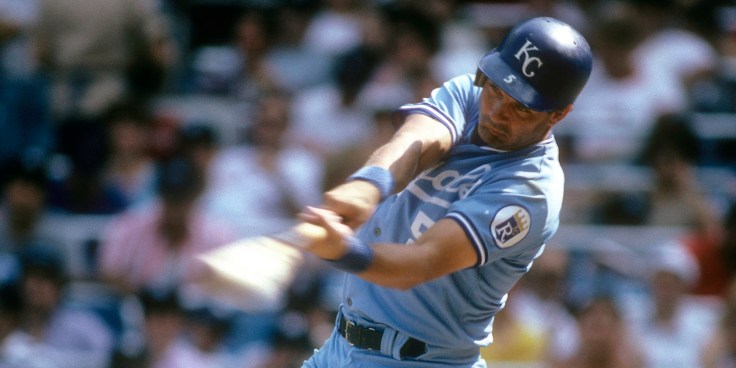
Ask any player out on the free agent market this winter what they covet the most and a good majority will say a multi-year contract. Sure, they won’t turn their nose up to the wads of cash thrown their way, but signing a new deal for an extended period is the kind of stability players dream of. The Royals have set their sights on re-signing first baseman Eric Hosmer and it’s hard to fathom that happening without Kansas City committing to a deal that is at least four years in length (and probably more). But history has shown that might not bode well for the Royals.

Kansas City Royals v New York Yankees
Credit: Getty Images

The most infamous long-term contracts in Royals history goes back to 1985 and the “lifetime contracts” . George Brett, Dan Quisenberry and Willie Wilson were the recipients of those deals that appeared at the time to be solid commitments for a perennial contender. But those deals would fall apart quickly, with Quisenberry being released in July of 1988 while Wilson fought off injuries and saw his offensive production wane before leaving after the 1990 season. While in theory these contracts appeared to lock in a chunk of the Kansas City nucleus in the mid 1980’s,  the reality was that the Royals overpaid for players during a period where collusion controlled the free agent market and salaries.

The Royals would close out the 1980’s with one of the worst free agent signings in club history, signing Mark Davis (the 1989 Cy Young award winner) to a four-year, $13 million dollar deal. That deal would go sour almost instantly, as Davis would struggle and lose his closers role to future Royals Hall of Famer Jeff Montgomery. Davis would be dealt to Atlanta in July of 1992 and put up some ugly numbers during his short stint in Kansas City: 167.2 innings, a 5.31 ERA, 5.01 FIP and an ERA+ of 76.

Mike Sweeney
Credit: MLB.com

We all remember Mike Sweeney’s $55 million dollar deal he signed after the 2002 season. Sweeney was the one who decided to stay, while watching Damon, Dye and Beltran be shipped off. Sweeney was coming off his career year in Kansas City, posting the highest bWAR and OPS+ of his career, among other career highs that season. Sweeney’s deal kept him in Kansas City through 2007 but injuries would take their toll on him as early as 2003. While the offensive production was still there for the first couple years of the contract, his time on the field diminished and by 2006 he had essentially become a shell of his former self.

Not every long-term contract handed out by the Royals would miss the mark. One could argue that George Brett’s lifetime contract paid off in spades, as he would continue to be a hitting machine until his age 38 season, well past the normal age of regression for a major league hitter. Zack Greinke’s four-year deal that was signed in 2009 would produce a Cy Young season, but Greinke would be dealt before the contract had run its course. One could even make the argument for David Cone’s three-year deal that he signed with Kansas City before the 1993 season being a success, but for the sake of argument you could also contend that a contract of three years really isn’t “long-term” by definition.

kc4

That leads us to the modern-day Royals, which currently host a number of extended relationships. Ian Kennedy is locked in for another three seasons in Kansas City and has been a mixed bag during his first two seasons as a Royal (one good season, one bad season). Salvador Perez will be entering year two of a five-year extension in 2018 and while Salvy should be entering his prime, there have to be some concerns about the amount of games (and innings) he has caught in his major league career and the wear and tear that goes with it. Danny Duffy will also be in the second year of a five-year extension this upcoming season and has dealt with a wide array of injuries throughout his career as well as a DUI arrest just last summer.

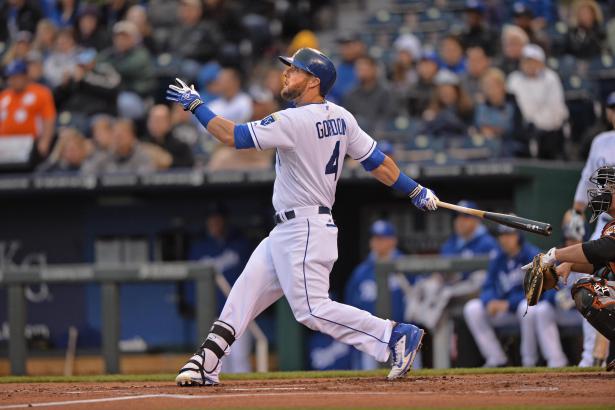
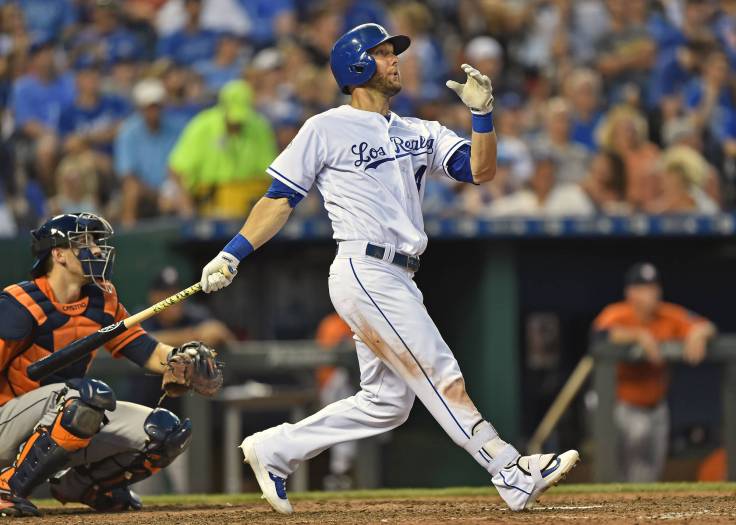
Then there is the Royals contract with the most scorn, that of Alex Gordon. His four-year contract originally appeared on the surface to be a calculated move. Gordon had been a consistent run producer and defensive wizard for the previous five seasons and while he was entering his regression years, the slope appeared lessened by his crazy work ethic and ability to stay healthy. Gordon had appeared in at least 150 games in every season between 2011 and 2014, while his groin strain in 2015 looked to be an outlier. But injuries hindered his 2016 campaign and offensively he hasn’t looked the same for two years now. Situations like Gordon’s are why teams become hesitant to commit to a long-term contract.

kc5
Credit: Kansas City Star

This all leads back to the Eric Hosmer situation and how the Royals should deal with it. On one hand, you have a player entering his age 28 season, coming off of a career best season, in what should be the prime of his career. On the other hand, Hosmer before 2017 was an inconsistent offensive player and has a propensity to hit the ball on the ground at an alarming rate. While the Royals have not had the best of luck when it comes to contracts of more than four years, we are all aware that every situation (and player) is different. Signing any player for 4+ years is a gamble within itself. The question the Royals have to ask is if the risk is bigger or smaller than the reward when rolling the dice on their future.

My 2017 MLB Predictions

kc1

Ah, yes…Opening Day is upon us as we embark on a new Major League Baseball season. For the majority of teams, this is a time of hope and optimism. For a few, there is more of a glance to the future than the present. As baseball fans, every year we throw out our predictions, hoping by mid-season they aren’t a big colossal mass of hilarity. I don’t take my predictions super-serious, but I’m always hopeful that I am at least within the vicinity of reality. So without further ado, my predictions for the upcoming season.

kc2

American League East

  1. Boston Red Sox
  2. Toronto Blue Jays
  3. Tampa Bay Rays
  4. New York Yankees
  5. Baltimore Orioles

kc3

American League Central

  1. Cleveland Indians
  2. Kansas City Royals
  3. Detroit Tigers
  4. Minnesota Twins
  5. Chicago White Sox

kc4

American League West

  1. Houston Astros
  2. Texas Rangers
  3. Seattle Mariners
  4. Los Angeles Angels
  5. Oakland A’s

kc5

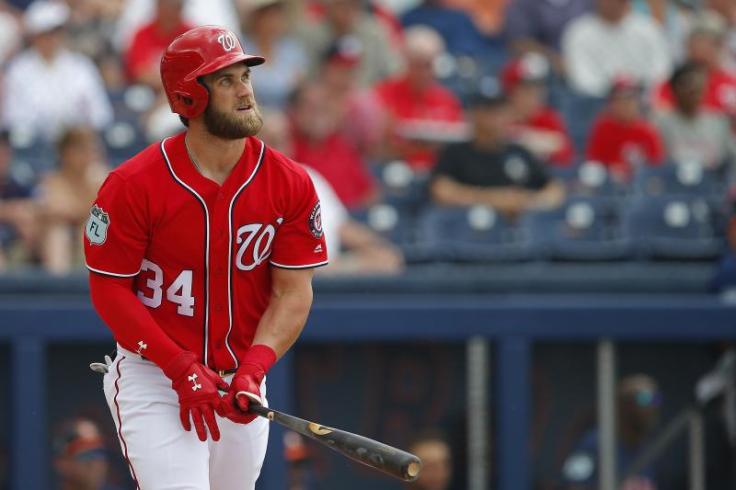
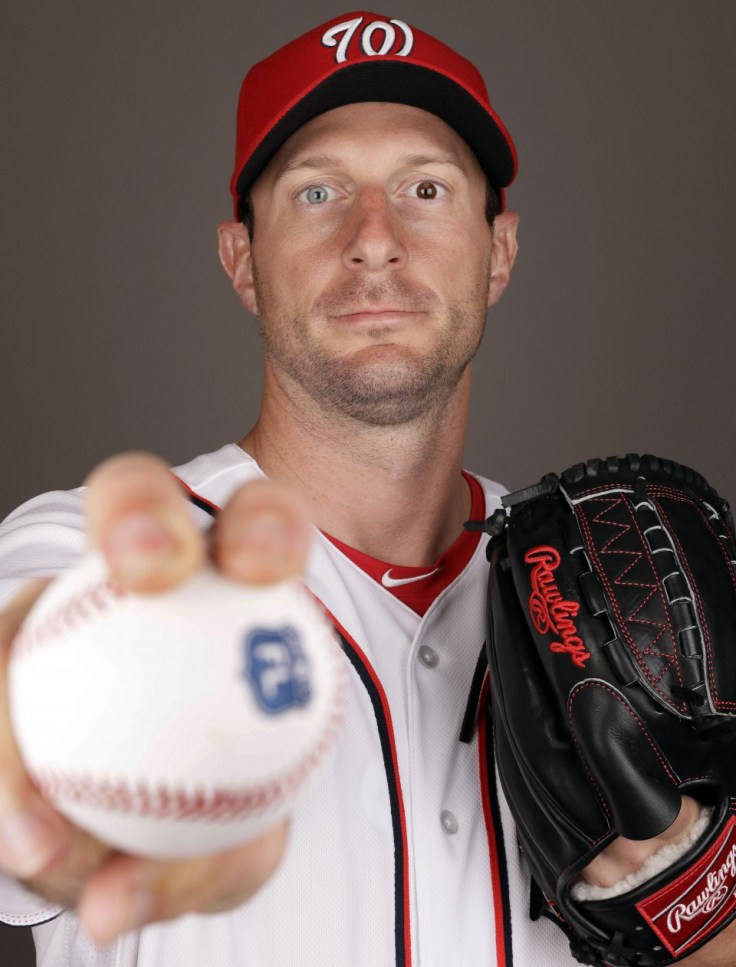
National League East

  1. Washington Nationals
  2. New York Mets
  3. Miami Marlins
  4. Philadelphia Phillies
  5. Atlanta Braves

MLB: Chicago Cubs at St. Louis Cardinals

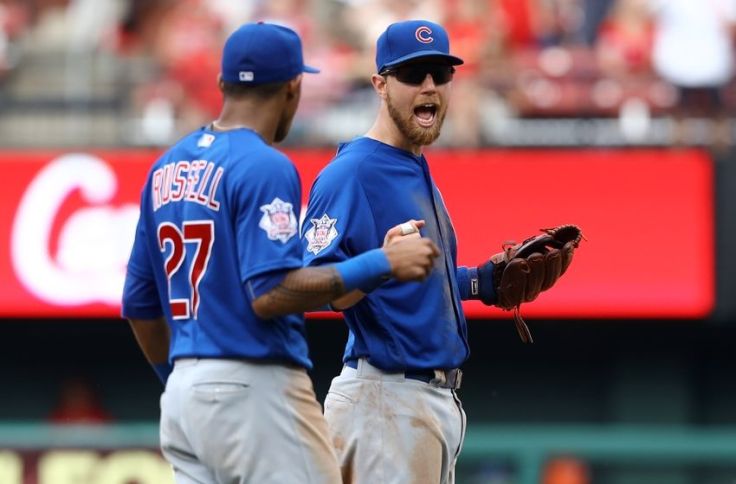
National League Central

  1. Chicago Cubs
  2. St. Louis Cardinals
  3. Pittsburgh Pirates
  4. Cincinnati Reds
  5. Milwaukee Brewers

MLB: San Francisco Giants at Milwaukee Brewers

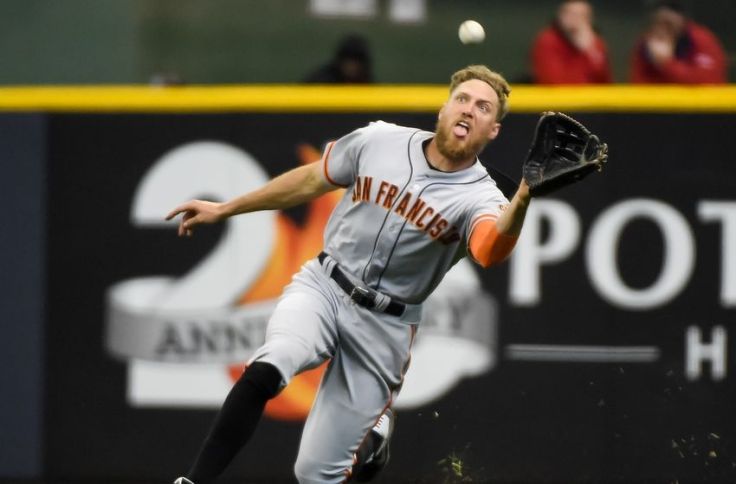
National League West

  1. Los Angeles Dodgers
  2. San Francisco Giants
  3. Colorado Rockies
  4. Arizona Diamondbacks
  5. San Diego Padres

kc8

Awards

kc9

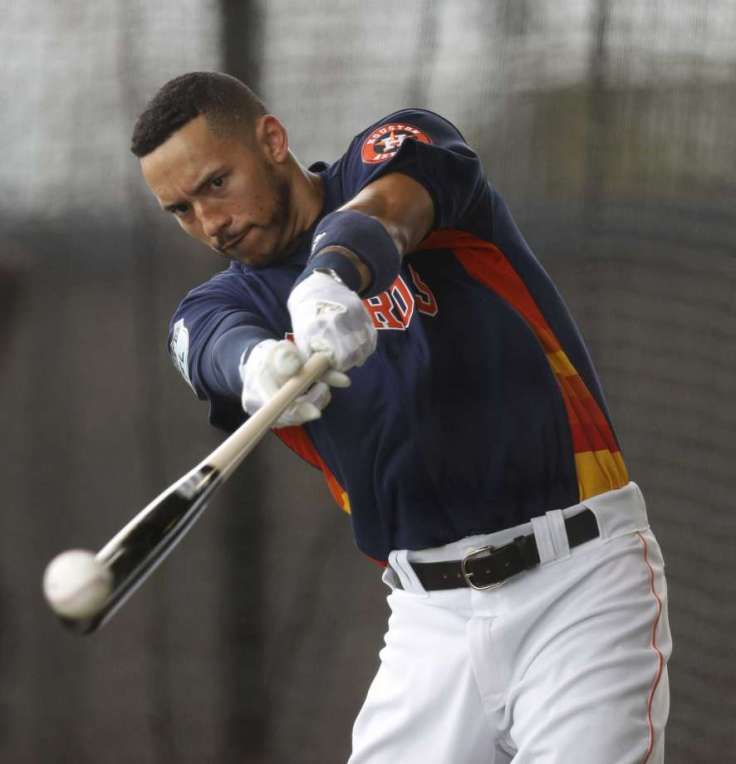
American League MVP: Carlos Correa, Houston

kc10

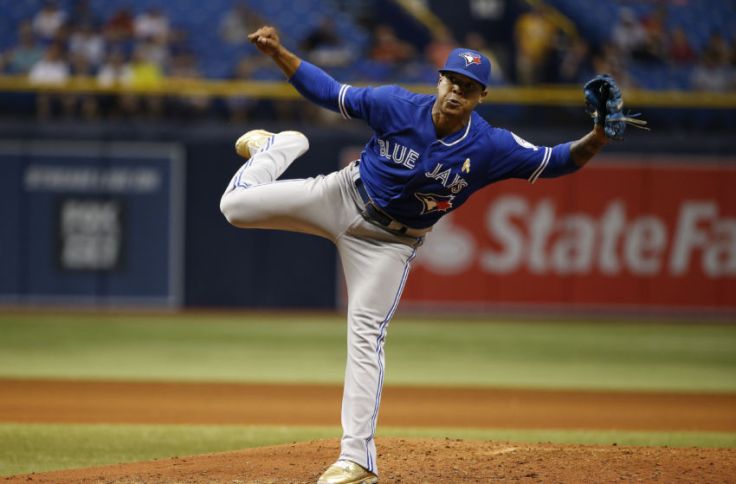
American League Cy Young: Marcus Stroman, Toronto

kc11

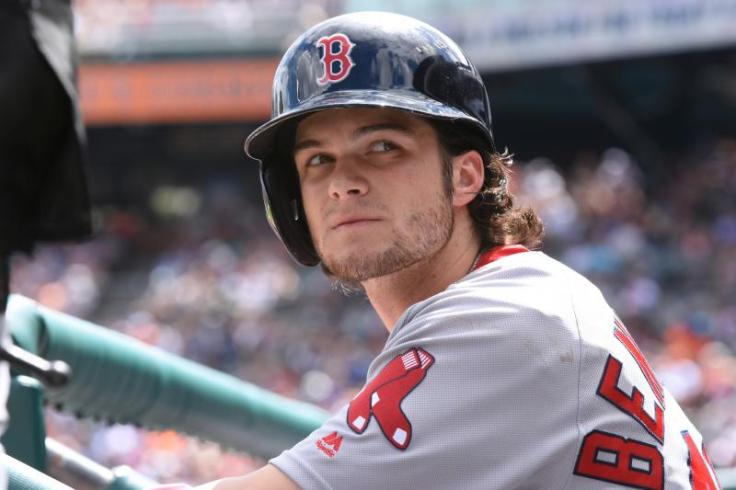
American League Rookie of the Year: Andrew Benintendi, Boston

kc12

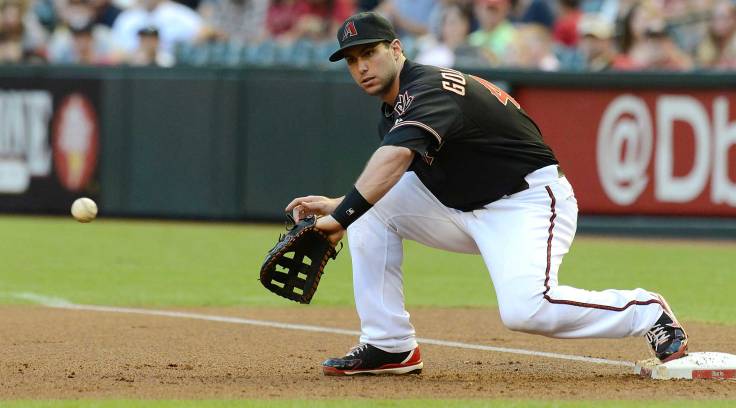
National League MVP: Paul Goldschmidt, Arizona

kc13

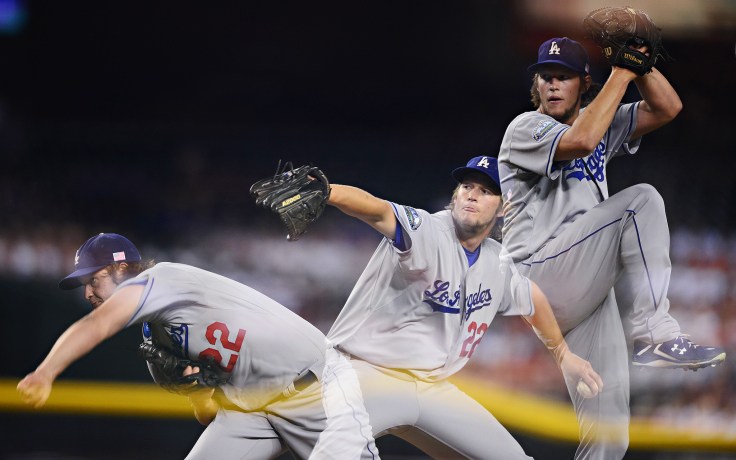
National League Cy Young: Clayton Kershaw, Los Angeles

Angels Dodgers Spring Baseball

National League Rookie of the Year: Cody Bellinger, Los Angeles

kc15

Playoff Teams 

kc16

American League

Division Winners: Boston, Cleveland, Houston

Wild Cards: Toronto, Kansas City

American League Champions: Toronto

kc17

National League

Division Winners: Washington, Chicago, Los Angeles

Wild Cards: New York, San Francisco

National League Champions: Washington

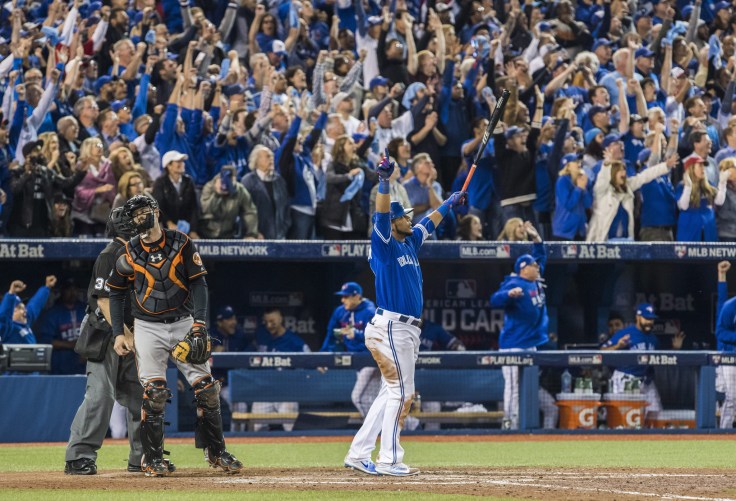
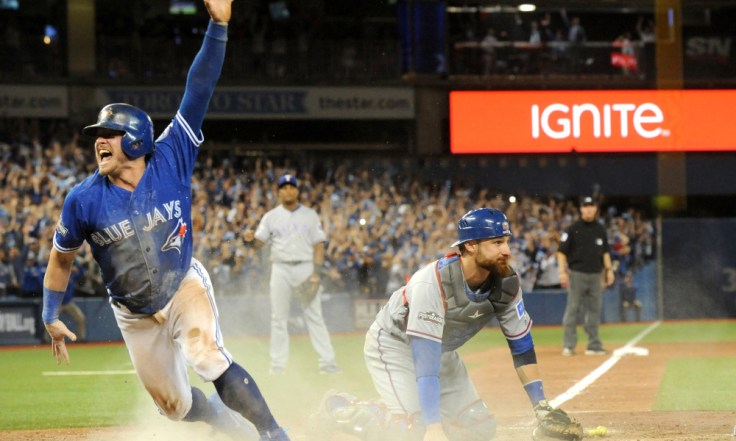
USP MLB: ALDS-TEXAS RANGERS AT TORONTO BLUE JAYS S BBA CAN ON

Am I super confident about my picks? Nope. Baseball is a funny thing, largely because of the length of the season. There are so many twists and turns that there is no way to truly predict how it will all shake down. What I can say with confidence is that another fun, memorable season is getting ready to start and I can’t wait. The best part about baseball is the storyline that it revolves around. I can’t wait to see how this whole thing unfolds. Last October, we had a great Cleveland/Chicago World Series; what do the baseball God’s have in store for us this year? Truly, only time will tell.


Royalty’s Notebook: February Royals Thoughts

kc1

Spring Training is so close that we can practically smell the freshly cut grass and see the perfectly drawn baselines. It’s that time of year when the phrase ‘Pitchers and catchers report’ is music to any baseball fans ears. Over the last few weeks, I have had a number of thoughts littering my head and figured rather than writing four separate articles, I would shoot out a few short notes on some Kansas City Royals related activities that have been going on. What better way to start than with the pitcher we call ‘Duffman’…
kc2

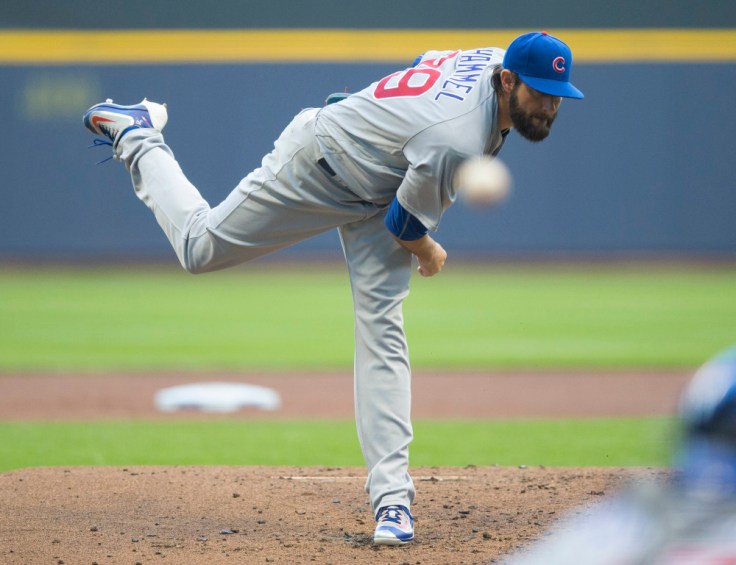
There are so many reasons to love Danny Duffy right now. Duffy showed himself to be a true front of the rotation starter last year and was rewarded with a nice new contract, which means he will be around for at least the next five years. There is his return to twitter where he is trying to do some good. Speaking of Duffy the good samaritan, if you weren’t already ‘Team Duffy’, than him meeting and talking to fans at Kauffman Stadium after Yordano Ventura’s death should have swayed you. But the story that made me really proud to know that Duffy is on ‘my team’ is the one where he bought a Yordano bobblehead. This story must be read, so click here. In short, a Royals fan in the Kansas City area sold his Ventura bobblehead on ebay and right before he mailed it off, he saw it was addressed to Duffy. He canceled the payment and sent Duffy a message, telling him he wasn’t going to charge him for the bobble. Duffy told the guy he was trying to buy up as much Yordano merchandise as possible and then mail it to his mom at the end of the season. When I first read that, a legit huge smile broke out on my face. I have long rooted for Duffy to succeed, if anything because the guy has shown again and again that he is an awesome human being. The fact that he was accumulating as much Yo’ memorabilia as possible because it would help her “remember the good times” was just phenomenal. Talk about being proud that he is in Kansas City; I have never seen an athlete who is so open about his feelings AND in such a positive way, to boot (Yes, that was slightly directed at Zack Greinke). We might love our Salvy, our A1 and our Moose, but dammit if I’m not a Duffy fan for life because of what he represents as a player and a person.
Royals Preview Spring Baseball

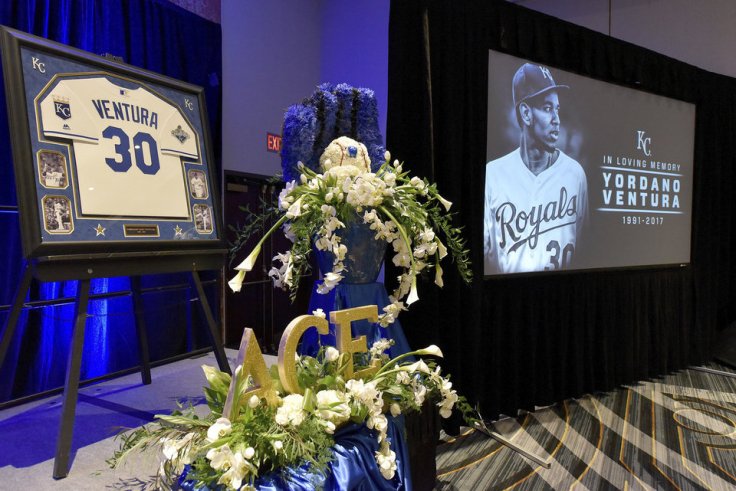
Speaking of Ventura, there has been a call amongst many Royals fans for the team to retire his number 30 this season. I understand that for most of us there is an emotional attachment to the group of players who guided this team to their first championship in 30 years. I was just as broken up about Ventura’s passing as most other Royals fans and I figure the home opener on April 10th will probably cause a few lumps in throats. That being said, it feels like the push to retire his number is an emotional thought and not a logical one. Over the team’s 47 year history, they have retired three former Royals: George Brett (5), Frank White (20) and Dick Howser (10). That’s it. In my eyes there have been a few worthy numbers that could have been retired by Kansas City over the years, but I do like that they aren’t just retiring numbers left and right. To me, if you are going to go that route, it better be a player who really marked their spot in franchise history. While Ventura had a number of big moments in his short career, he did only have three full seasons under his belt, and was just slightly above league average overall during that time. I have heard a number of great ideas in honoring Ventura this year, like leaving the ball on the mound opening day and letting manager Ned Yost make a “pitching change”, or naming a baseball academy down in the Dominican Republic after him. Those are just two great examples of honoring his passing and I wouldn’t even have a big issue with putting him in the Royals Hall of Fame in the future, even if it would feel like it was being done because he passed away while still with the team. But retiring his number feels like an emotional reaction to his death and I just don’t agree with it. I’m sure the Royals will honor his time in Kansas City this year and they should; but lets not overreact. Honoring Ventura is fine, but retiring his number is unnecessary and to be brutally honest, not really earned.

MLB: Minnesota Twins at Kansas City Royals

With the Royals signing of Jason Hammel this week, Kansas City has marked off almost every need that they were searching for this winter…that is, except for another bullpen arm. The thought has been that the Royals would possibly sign one more reliever and with Spring Training looming in just a few days, there could be a last-minute signing, especially if they bring Luke Hochevar back into the fold. Hochevar is coming off of Thoracic Outlet Surgery but it’s been thought all along that as long as he is healthy, the team would look to bring him back to Kansas City. If not Hochevar, there are a few options still available on the market. Guys like Travis Wood, Jonathan Niese and former Royals Joe Blanton and Jorge De La Rosa are still available. The Royals also checked in on Seth Maness last week, the former Cardinals reliever who bypassed Tommy John Surgery and elected an experimental surgery that would have him back on the field in 7 months. While I tend to think Hoch will be back fairly soon, Kansas City has many choices and with a group of young arms also in the running ( Josh Staumont, Kevin McCarthy and Eric Skoglund among them) there will be some definite competition in the bullpen this spring for the Royals.

Boston Red Sox v Kansas City Royals-Game Two

The Hammel signing also meant that room would have to be made for him on the Royals 40 man roster, and Alec Mills was the unfortunate person to be sent packing. Mills was dealt to the Cubs for outfielder Donnie Deewees. Mills was a solid arm for Kansas City’s system but at best was probably someone who would have success out of the bullpen rather than in the rotation. Deewees is an interesting acquisition, as he is a speedy outfielder type that Dayton Moore continually covets. The scouts evaluation of Deewees seems to be on par with current Royals outfielder Billy Burns:

ESPN’s Keith Law recently rated Dewees 15th among Cubs farmhands, noting that he’s a 70-grade runner that can handle center field from a range standpoint but has a 20-grade arm that limits him to left field. Longenhagen ranked him 19th among Cubs prospects offering a similar take (albeit a 30-grade arm instead of 20), writing that without the power to profile as a left field regular, his best scenario is a Ben Revere type. B-Pro’s Steve Givarz was a bit more optimistic about his glovework but still pegs him as more of a fourth outfielder than a potential starter.

Deewees is still only 23 years old and more than likely will start the year in Kansas City’s High A Ball team in Wilmington. This could be a trade to monitor over the next couple years and see how Deewees has (or has not) developed. When all else fails, Moore will always lean towards speed.

kc7

Finally, Kansas City went out and signed Brayan Pena to a minor league deal this past week. Pena is a former Royal who played for Kansas City from 2009-2012 and spent most of his time as a backup catcher. Pena is a serviceable receiver who has a bit of pop in his bat and is well liked in the clubhouse. The honesty is that this is a depth signing and much like Tony Cruz last year, Pena will most likely be spending his time in Omaha this year unless something goes wrong for Salvador Perez or Drew Butera. It’s good to see Brayan back in blue, but I wouldn’t expect to see much of him once the season starts.

kc8

In just a few days pitchers and catcher will be reporting to Spring Training and we can actually start digesting some news on our ‘Boys in Blue’ and start getting a feel for what the major league roster will look like come April. I can say with all honesty that I feel better about the feel of this roster now than I did even a few weeks ago. For all intent and purposes, the Royals are looking to gain back what they lost last year, which would be the top of the Central Division. Next week, step one begins on a long road to their (hopeful) final destination, October baseball.As always, hope springs eternal.

Royals Add Rotation Arm, Sign Hammel

kc1

Ever since the untimely death of Yordano Ventura, the general feeling was that the Kansas City Royals were going to have to go out and acquire another starting pitcher. Names like Doug Fister and Travis Wood, but the name that was mentioned multiple times was Jason Hammel, the best available arm still on the free agent market. Royals GM Dayton Moore can be a sneaky dealer, and while most were zoned in on the Super Bowl, Moore made his move:

The Royals got their man in Hammel, locking him up for two years, $16 million dollars with a mutual option (of course Dayton gave him a mutual option!!) for a third year. As of this writing the breakdown of the financials have not been released (I would tend to think the annual salary will be higher in 2018 than this year) but even without that knowledge the Royals seemed to have locked down a solid mid-rotation starter at a fairly cheap rate.

kc2

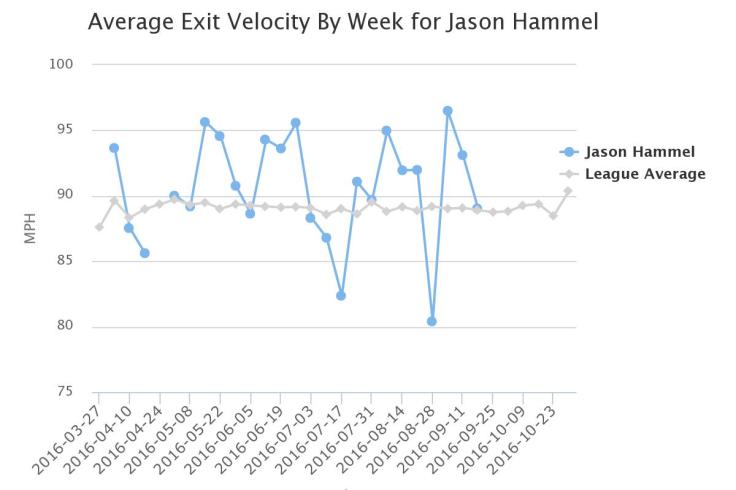
So what kind of production should Kansas City expect from his signing? Hammel pitched for the Cubs in 2016, racking up 166 innings with a 3.83 ERA, 4.48 FIP and an ERA+ of 105. Hammel raised his ground ball rate last year, posting at 42%, his highest percentage since 2012 in Baltimore. He’s not a big strike out guy, but he did put up a 13.2% strike out to walk ratio, and both his strike out and walk rates in 2016 were about league average. He does throw his slider quite a bit, in fact he threw it 35% last year, the 4th highest percentage of sliders for qualified pitchers. Hammel did improve his left on base percentage last year bumping up to 76% while his batting average on balls in play also took a step downward. A very positive sign for Hammel in 2016, especially where it concerns not only Kansas City but pitching at Kauffman Stadium, was how hard the ball was hit off of him. His line drive saw a dip this past year while his ground ball rate saw an increase. Hammel really didn’t see a major shift in hard hit rate or soft hit rate and his exit velocity is interesting:

chart

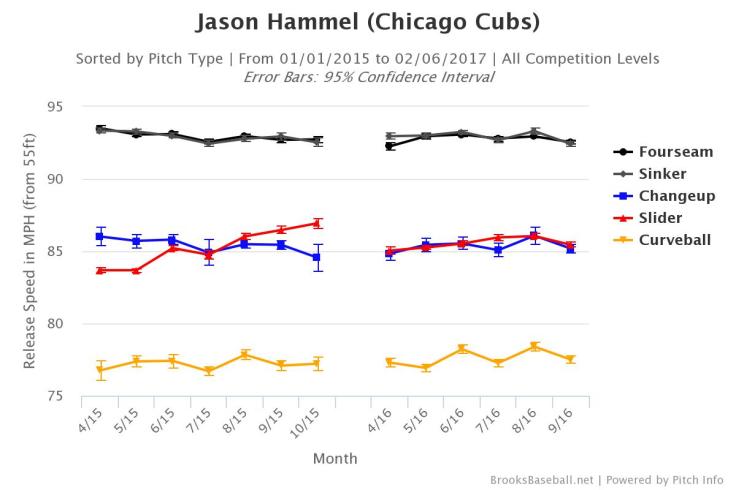
While Hammel was up and down when it comes to exit velocity, this is actually fairly accurate throughout his career. His velocity also didn’t see a big change in 2016:

brooksbaseball-chart

The chart above has Hammel’s velocity for both 2015 and 2016. What was very noticeable, especially with his changeup and slider, was the consistency in 2016 compared to 2015. It really seemed that Hammel was able to not vary much month to month, which is a positive considering some of the rumors that were floated out there this winter.

kc3

One of the reasons Hammel was still available this late in the winter was because of a feeling that he was hurt late in the 2016 season:

If you looked at the exit velocity chart above, Hammel appeared to not pitch after the middle of September and he wasn’t on any of the Cubs postseason rosters. The Cubs also declined his club option for 2017 after the season, which was fairly reasonable at $12 million. All this led to many teams assuming that he was hurt and probably hurt his chances out on the market this winter. Normally, pitchers who are injured show a decrease in velocity, which is normally an indicator that he is injured. If you look at the velocity charts above, they are pretty steady. That shows me that any injury concerns can probably be put to bed, unless a major decrease shows up when games start in Spring Training.

kc4

Financially, Hammel’s signing appears to be a steal for the Royals. Even if his contract calls for a split of $8 million a year (and once again, I’m expecting us to find out it is lower than that for year one of the deal), that puts Kansas City’s payroll just a bit higher than what Owner David Glass was wanting, but not too far off. Considering Hammel has averaged 161 innings a season over the last 8 years, this is a great deal and once again shows what a fantastic job Dayton Moore has done this winter while working under financial restrictions. In fact, Hammel’s deal looks fantastic in comparison with former Royal Edinson Volquez’s contract he got from Miami:

Steamer projections are expecting Hammel to produce 1.3 WAR this year, while 2.0 for Volquez. But if you go more off of last year, Hammel produced 1.4 WAR while Volquez compiled 1.5. The two pitchers are fairly similar with Hammel about a year older in age. If you asked me which pitcher I would want going into 2017, I would take Hammel. Hammel produced a lower walks per 9 and hits per 9 than Volquez, and over their respective careers, Hammel has shown more consistency. In many ways, Hammel is a perfect replacement for Volquez, even if it feels like he is in Kansas City now because of what happened to Yordano Ventura.

USP MLB: CHICAGO CUBS AT MILWAUKEE BREWERS S BBN USA WI

With pitchers and catchers reporting in about a week, it’s good to see that the Royals are now set and ready to go all across the diamond. Hammel is the final piece of the rotation puzzle and should be a steadying veteran force in the middle of what is looking more and more like a good group of starting pitchers. The Royals should expect consistency more than anything else from Hammel this year and that is a strength that some take more lightly than they should. It’s unfortunate the circumstances that brought Hammel to Kansas City (and I do feel the Royals don’t sign him if Ventura is still with the team) but he is now ready to wear Royal blue and represent Kansas City. It’s another good acquisition from the Royals front office and they should be applauded for their work this winter. One thing I ask of Royals fans this year: don’t bring up the Wild Card game to Hammel. I’m sure he will hear enough about it when he shows up to Arizona this spring. I can already hear Salvy joking with him about his game winning hit…trust me, Hammel will take it much better coming from Perez. I mean, who could hate Salvy?

https://youtu.be/UaiUVUAX1Rs

Royals Lineup Projection

kc1

One of the funnest parts of the offseason in baseball is breaking down the projections that are littered throughout the winter. The three main projection systems are PECOTA, Steamer, and ZiPS and they all attempt to predict and break down how the upcoming season will turn out. Of course, as with any algorithm, there will be predictions that are way off, which is why the games are played. But this is a fun look at how the upcoming season could go and see whether or not the projections predict a player will improve, regress or stand pat. With that said, I thought it might be interesting to break down the Kansas City Royals projected lineup and see what the Steamer projections have in store for Kansas City offensively in 2017.

MLB: Minnesota Twins at Kansas City Royals

Salvador Perez-Catcher

What I found most interesting about Salvy’s projected numbers for this year wasn’t the fact that they expected his numbers to pick up a notch but that they project he will play in less games! I don’t know if that happens, especially if they use the designated hitter as a rotating spot, but I like the idea of Perez getting some much-needed extra rest. Steamer has Salvy hitting .264/.298/.444 with 20 home runs, 67 RBI’s and 2.8 WAR. All but the home runs would be an improvement over 2016 and even that was only off by two. I tend to think all of this is possible, especially if Ned gives him that extra rest. It’s been very apparent over the last couple of seasons that by August, Salvy seems to be tiring and the grind of catching as many innings as he has the last few years catches up to him. I would like to see Perez get some extra at bats at DH and rest his legs, which I think would mean an increase in his offense. For the most part, I believe these projections are doable.

kc3

Eric Hosmer-1st Base

Anyone who has followed this blog knows that I soured on Hosmer this past season and it was to the point where I don’t know if I will ever expect him to perform even remotely consistent in the big leagues. The good news is that Steamer thinks Eric will improve on last year, projecting a line of .278/.345/.455 with 22 home runs and 84 RBI’s and a 1.7 WAR. Outside of the home runs and RBI’s, everything else would be an improvement on a season that was the tale of two different seasons for Hos. To me, the biggest tell on whether or not he improves offensively this year is if he is able to decrease his ground ball rate, which was a ridiculous 58.9% in 2016. If he does that and lowers his strike out rate, I think we could see a better Hos in 2017. There has never been a better time for him to have a career year than the season right before he enters the free agent market, so there should be some motivation to not be the guy who produced a well below average OPS+ (78) in the second half of 2016.

MLB: Toronto Blue Jays at Kansas City Royals

Raul Mondesi-2nd Base

My hunch is that Mondesi will be the Kansas City second bagger to start 2017 unless he really struggles this spring. The good news is that there is almost no way he could be worse offensively than he was during his first stint with the Royals last year. Steamer agrees with me on this, as they are projecting him to hit .231/.272/.360 with 8 home runs and 36 RBI’s, a WAR of 0.0 and a wRC+ of 64. Yes, none of those numbers are great, but all would be an improvement on his numbers in 47 major league games in 2016. I tend to look at Mondesi like this: right now, his defense is ready while his bat still needs some major work. But he has slowly improved his offense ever year in the minors, with his power numbers improving by quite a bit in his short spans in both AA and AAA in 2016. The question the Royals have to ask is if A.) His defense is good enough to let him learn at the big league level? or B.) Do they have a better option at second base? The honest answer is that as much as I like Whit Merrifield, I think he is better suited to be a super utility guy in the big leagues and I also believe Mondesi is going to learn more in the majors then spending time in the minors. This could be an interesting development to follow and I’m highly intrigued to see if Mondesi raises some eyebrows this spring in Arizona.

MLB: ALCS-Toronto Blue Jays at Kansas City Royals

Alcides Escobar-Shortstop

Escobar’s offense in 2016 was nothing to write home about; in fact, it’s probably best left to just not mention it happened. It was evident throughout the season that he had no business hitting leadoff and was not pulling his weight for a guy getting close to 700 plate appearances. Luckily, Steamer is expecting bigger things from Esky this year, with a projected line of .264/.299/.352 with a WAR of 1.0 and wRC+ of 72. Okay, the numbers are only slightly better but even if we just see a slightly better strike out rate or walk rate, I’ll take it. At this point, Escobar is who he is, which is someone who rarely walks, strikes out too often and his faith lies in the BABIP Gods. As much as I have always enjoyed his defense, we are even starting to see a slight regression there, so it might be good that he will be a free agent after the season wraps up.

MLB: Minnesota Twins at Kansas City Royals

Mike Moustakas-3rd Base

Man, the Steamer really loves Mike Moustakas! Moose missed most of the 2016 campaign but in the 27 games he appeared in it was obvious that his power numbers were drastically improved and it appeared he was headed for a break-out season. Instead, a collision with left fielder Alex Gordon did in his knee and he was shelved. Right now though, the Steamer has Moose hitting .267/.329/.468 over 129 games with 23 home runs, 73 RBI’s, a wRC+ of 111 and a WAR of 3.1. Now, a large chunk of that projection is from his 2015 season, but I feel like these estimates are light. Yes, I think Moustakas is going to have a big year and I wouldn’t be surprised if he surpasses the 30 home run barrier if he can stay healthy. Moustakas has shown a tendency to improve throughout his career and in what could be his final year in Kansas City, I tend to believe he wants to show the power we have all expected him to display. While most of these projections have felt close to what I was thinking, this is one that I think will be much higher when it is all said and done.

kc7

Alex Gordon-Left Field

Most players have that one season where they would prefer it would magically disappear and never be spoken of again. For Alex Gordon, 2016 was one of those seasons. Gordon struggled through the year, ending up with a line of .220/.312/.380 in 128 games. In late May, Gordon collided with Mike Moustakas and would proceed to miss the following month. It really just felt like Gordon was off most of the year, and chalk it up to whatever you want (I personally felt he wasn’t 100% most of the year) but it was a year to forget. So what is being predicted for this year? Steamer has Gordon at .248/.335/.404 with 15 home runs, 61 RBI’s and a wRC+ of 98. Call me an optimist, but I feel Gordon will be a bit better than that this year, as he looks to bounce back. Gordon probably won’t see the highs he racked up back in 2011-2012, but if he stays healthy a .260/.350/.430 season is reachable. Yes, Gordon is probably seeing the beginning of his regression, but I just don’t see it being as sharp a fall as he had last year. Expect Alex to improve on  a forgettable 2016 this year and help improve the Royals offense.

kc8

Lorenzo Cain-Center Field

Coming off of a career year in 2015, Cain looked to grow on that last year and guide the Royals back to the playoffs. Unfortunately, life doesn’t always follow a nice, cozy script and Cain would spend a large chunk of 2016 on the disabled list. Cain went from appearing in a career high amount of games in 2015 (140 games) to barely over 100 (103 to be exact) in 2016. This also meant a decline in his MVP caliber numbers from the previous year and a line of .287/.339/.408 and a wRC+ of only 98. Luckily, Steamer is projecting a similar year for Cain in 2017, as they foresee a .283/.338/.417 line and a wRC+ of 100 in 130 games. I must be the middle man here; I think Cain’s numbers could very well be higher, as he will be working for a contract, but it will all be determined on his health. If he can stay on the field, I think he will produce. If he doesn’t expect a season on par to last year. I don’t think we will ever see the numbers from Cain again that we saw two years ago, but something in that vicinity would greatly improve Kansas City’s offense.

kc9

Jorge Soler-Right Field

If you haven’t noticed it yet, there is a trend with the Royals lineup coming into this year. Almost every hitter is coming off of a sub-par 2016 and looking to redeem themselves this year. Count new acquisition Soler in that category, as he struggled for Chicago this past year. Soler hit .238/.333/.436 with 12 home runs, 37 RBI’s and a wRC+ of 106. Soler was slightly above league average, but only appeared in 86 games due to injuries in 2016. The Royals are counting on Soler to be a regular cog in the middle of their order this year…but Steamer doesn’t trust his injury history. Right now, they have predicted he will hit .257/.333/.436, 14 home runs, 48 RBI’s and a wRC+ of 104 in just slightly over 100 games. The Royals training staff has done a good job these last few years keeping the team on the field (with last year being the exception) and I tend to feel like this will be the first full year Soler spends in the big leagues. Number-wise, Soler is what he is: a high strikeout, power hitting slugger. Soler did see an uptick in his walk percentage last year and with a full year on his plate, I think he could put up solid slugging and on base percentage numbers. Soler’s probably never going to hit for a high average, but if the other stats are there, it won’t matter. The Royals need him to slug and that is just what should see him accomplish this year.

MLB: NLDS-Chicago Cubs at St. Louis Cardinals

Brandon Moss-Designated Hitter

Now, I know Royals GM Dayton Moore said the other day that Moss won’t be the “primary” DH this year, but I have a feeling when it is all said and done Moss will be the recipient of the most AB’s in that spot. Moss had a very productive 2016 and Kansas City is hoping that the same power he showed last year transfers over to Kauffman Stadium this year. A solid 2016 out Moss at .225/.300/.484 with 28 home runs, 66 RBI’s and a wRC+ of 105. Steamer has Moss sitting this year at .237/.319/.453 with only 17 home runs and 44 RBI’s and a wRC+ of 103. Now, if you are asking yourself why those numbers are lower, it is because Steamer has projected that Moss will only appear in 89 games this year, which right now feels like an extremely low number. I tend to project Moss will play in the 120-130 game zone which will see his production go slightly up. I think we could see Moss’ on base numbers increase this year (mostly from more walks) and his power numbers see a slight drop, although with Kauffman in play I could see Moss racking up more doubles than homers. In this regard, I tend to think Steamer is fairly close on the averages and a bit low on the accumulated numbers. Look for Moss to perform fairly similar this year, if not a tad bit better.

Opening Day 5-6-15

So with the projections out there, it’s easy to see that most of them are based off of past production, which isn’t always a good thing for this Royals team. Luckily, the games are played for a reason and coming off of a poor offensive season in 2014, many of the Royals batters improved on their numbers in 2015. There is no reason to think that can’t happen again, at least with a number of their starters this year coming off of injuries. One final projection I want to throw out there are the ZiPS projections which are done by Dan Szymborski and are one of the more sought after projections during baseball’s offseason. Going off of fWAR, ZiPS projects the Royals this way (projections obviously made before Ventura’s death and Moss’ signing):

kc12

The good news is that ZiPS has improvement from Gordon, Cain and Moose. The bad news is that there is little if any improvement expected from Hosmer, Soler, Escobar and Mondesi. Once again, these are just projections and while some will be fairly close, some of these will end up being way off. I always like to say that projections like this are a good starting point and once the season begins we will get a better feel for how this team will operate in 2017. More than anything, this Royals team needs improvement from their offense in 2017; if they don’t, we might as well kiss October baseball goodbye. No pressure, offense-just be better.

Royals Sign Moss, Scrap Rotating DH Plan

kc1

Nothing makes me chuckle quite like when Kansas City Royals General Manager Dayton Moore plays a free agent signing so close to his chest that we know nothing of it until it is almost official. This was none more true than on Sunday when he signed OF/DH Brandon Moss to a 2-year deal:

There had been some light littering of rumors floating about DH types, like Chris Carter, but no specific mention of Moss being on the Kansas City radar. The deal actually breaks down very favorable for the Royals this year, as like most contracts Dayton works on, as it is backloaded for the second year of the deal:

So, close to $4 million is added to the payroll with this move, which is actually not much and still gives Moore room to go after another starting pitcher and/or reliever. In regards to the financial aspect of this signing, very shrewd move from Moore and one that could pay off if Moss produces like he has in the past. So what should be expected of Moss production-wise?

kc2

Last season Moss produced a line of .225/.300/.484 with 28 home runs, 67 RBI’s, an OPS+ of 105 and 0.8 bWAR. The biggest aspect of Moss’ game is his power and the power numbers were impressive in 2016: 2nd best home run total, 3rd best slugging percentage of his career, 3rd best extra base hit percentage, the highest percentage of hits for extra bases, 2nd best at bats per home run and 3rd highest isolated power average. You also get strike outs with Moss (he sat at 30% last year), but that is normal for someone with his kind of power. He will get the occasional walk, but throughout his career he has been league average to slightly above average (9.3%  over ten years). In other words, don’t expect a high batting average from Moss, which is good since he could care less about that stat:

It’s very apparent that Moss understands the value of a walk and the flaws within batting average. This also tells me that he is probably walking up to the dish with a plan already in place, which is a good thing. Also, while Moss does have flaws in his game, there is a way to optimize some of the negatives. Moss’ splits over his career have not been kind, with a drop in his slugging percentage against lefties (.395 compared to .472 against righties) and an even bigger drop last year (.375 compared to .525 against righthanders). If manager Ned Yost was smart, he would almost primarily have Moss face right-handed pitching; he doesn’t have to lock him into a platoon, but I wouldn’t have him face many lefties this upcoming season. The good thing for Kansas City is they have a number of good options (Cheslor Cuthbert, Hunter Dozier, Paulo Orlando, possibly even putting a regular position player in the DH spot) and could work around some of the lesser aspects of his game.

kc3

What about his defense? Honestly, while Moss can man the outfield corners and first base, he is well below average defender at first (-16.1 UZR, -22 Defensive Runs Saved) and most capable in right field (6.6 UZR, 5 defensive runs saved). This tells me he is probably average to slightly below average defender in the outfield and his defensive metrics are still better than new Royals right fielder Jorge Soler (-8.2 UZR, -7 Defensive Runs Saved). Many like myself felt that Soler would end up being the primary DH by mid-season this year, but if we go by the numbers (and yes, defensive metrics are still a work in progress, so they shouldn’t be taken solely by the end numbers) Moss could be better suited for right field than Soler. The curious part of my brain wonders how the Royals will attack that, since one of the big aspects of the Kansas City team’s these past few years has been the greatness of the outfield defense. Obviously, putting Moss or Soler out there lowers the bar quite a bit, which makes me wonder how that will be addressed (although coach Rusty Kuntz plans on working with Soler this spring, so we’ll see how that plays out). I think this also shows that Moss was acquired to get most of his plate appearances in 2017 at DH, which is what most assumed.

MLB: Cincinnati Reds at St. Louis Cardinals

There is one aspect of the signing that didn’t sit well with me and that was that the signing meant the end (once again) of the rotating DH plan that Kansas City has tried to implement for years:

I’m sure I am in the minority, but I actually thought this would be a good idea for Kansas City in 2017. Rather than be tied down to one guy playing the majority of the games in this slot, you could rotate players in and out of the role. This would give at bats to a Cuthbert or Dozier, while also allowing a Gordon, Perez or Cain to rest their bodies (and all three have taken quite a beating these last few years). If the Royals are serious about contending this year, having those guys rested and as close to 100% as possible headed into September-October is a must. The rotating DH plan would have given Yost more options and given these guys a defensive day off, which will be needed. Now, there is still a chance that happens (as we mentioned Moss’ numbers against southpaws) but the other concern is Yost’s use of his backups. Even if you have just followed his tenure in Kansas City, you have figured out that Ned is not big on using his bench a ton. He is notorious for riding guys for as long as he can and with the three names mentioned above, that worries me. Maybe I am worrying about nothing and like in years past, Yost has learned to ebb and flow with what his team needs. But there is also a chance that “Rigid Ned” continues to play his guys into the ground and injuries pile up because of it. I like the addition of Moss, but one does have to wonder if it strengthens or weakens this team in the long run.

MLB: AL Wild Card-Oakland Athletics at Kansas City Royals

So which is it, a plus or a negative acquisition? I have to admit to really liking this signing by Dayton and although I have my concerns, they don’t bother me to the extent that I wish they could take it all back. Home runs were up throughout baseball in 2016 and year after year the Royals are near the basement (if not in the cellar) in home runs hit throughout the league. Adding Moss’ bat to Moose, Hos, Soler and Salvy just accentuates one more threat in the Kansas City lineup. If optimized correctly, he could be a steal for the low price he is signed for in 2017. The signing also gives them just a smidge more room for another starting pitcher (Jason Hammel?) or reliever (the return of Luke Hochevar?) if the Royals are looking. Don’t be surprised to see a number of bombs hit into the fountains this year; I mean, it’s not like Moss isn’t familiar with Kauffman Stadium!

Royals Roster Math

kc1

You know it has been a slow winter for the Kansas City Royals when two moves in one week feels like a tidal wave. It all kicked off earlier this week as Kansas City picked up Peter O’Brien from Arizona and was capped off Friday afternoon, as Royals fan favorite Jarrod Dyson was dealt to Seattle for pitcher Nate Karns. So what did the Royals get and how does it affect the team moving forward? Let’s dive in!

MLB: Los Angeles Dodgers at Arizona Diamondbacks

On Tuesday, the Royals acquired Peter O’Brien from the Diamondbacks for minor league pitcher Sam Lewis. O’Brien was once a top prospect in the Yankees farm system but was traded to Arizona in 2014 and has only seen 36 games of big league action. In that short span he hit just .176/.228/.446 with 6 home runs, 12 RBI’s and a-0.4 fWAR. Over five minor league seasons, he hit .269/.317/.532 with 116 home runs (which for those that struggle with math, an average of about 23 a season). O’Brien was originally a catcher in New York’s system but at this point is primarily an outfielder when on defense. It’s obvious by the numbers that O’Brien’s big catch is his power, as he has slugged over .500 at every level in the minor leagues. His power is why teams will give him chances over and over again. There are flaws in his game, as obviously defensively he probably is best suited to be a DH, which tells you a lot right there. O’Brien has been adequate in the short amount of time he has seen at first base, which makes me think he is probably a Billy Butler type at first (which is not completely a knock; Butler worked hard to become an average defensive first baseman). O’Brien, like most sluggers, strikes out quite often and isn’t too fond of walks; it’s easy to see why teams are both enamored with and frustrated with him at the same time. His numbers have been a tad better against left-handed pitching and one has to wonder if he would be best suited in a platoon type situation where his flaws might not be as noticeable. The good news is he will only be entering his age 26 season (he’ll turn 27 in July) and the Royals are starving for some power in their lineup. Meanwhile, Sam Lewis was the pitcher given up by the Royals for O’Brien, and he is coming off a good season, where he threw 44 innings, with an ERA of 1.62, a WHIP of 0.857 and a 5.57 strike out to walk ratio. I don’t know if there was much of a future for Lewis in Kansas City, so trading an extra arm in the system for a guy who could help the big league club is plus-plus in my book. I don’t know if O’Brien will be helping the big league club to start off the season, but it’s a good bat to keep around and see if the Kansas City coaching staff can work out some of the kinks in his swing. Overall, good trade by Moore.

kc4

Karns is entering his age 29 season and is coming off a lackluster 2016. Over 22 games in Seattle, Karns posted a 5.15 ERA over 94 innings, with an ERA+ of 79, WHIP of 1.484 with a 2.24 strike out to walk ratio. Karns has plus velocity, averaging around 93 on his fastball last year (92.2 mph over his career) and can gun it up to the upper 90’s on occasion. Karns did deal with some injury issues in 2016:

He has also had some command issues and (for right now) will be competing for the Royals 5th starter job. One of the reasons that Moore had his eye on Karns for awhile (they tried to work out a deal for him during the Winter Meetings) is contract control:

It’s obvious with all of the Royals trades this winter that Moore is looking for players who will fit on the roster past 2017, as the club will be losing a number of key players after this season. While Karns has been a starter, a big part of me wonders if he would be better suited out of the pen and could be a bit like Wade Davis when Kansas City acquired him. If you remember back to that trade, Davis was coming off of a good season out of the bullpen in Tampa but Kansas City wanted to try him in the rotation. Davis struggled as a starter, was moved back to the pen and became one of the best relievers in the game. Karns probably won’t reach the heights that Wade did, but a guy with a plus fastball being used in the back-end of the bullpen can be a big positive for a team like the Royals, who are trying to rebuild their pen this winter. Overall, I like the trade and think Kansas City got a quality arm for Dyson.

kc3

I would be remiss a bit if I didn’t mention the value that Kansas City is losing with Dyson. While not a regular in the outfield during his time in Kansas City, Dyson was an important cog on the Royals world championship team and a vital part of the team. In fact, Dyson led the Royals offense in bWAR in 2016, at 3.1. Dyson was a fan favorite but it appeared for a awhile now that his days in Kansas City were numbered, as he will be a free agent at the end of the season, the team had a surplus of outfielders and losing his contract would free up some payroll issues. We all have our favorite Dyson moments, although many of them occurred on the basepaths. Dyson has plus speed and you always knew business was picking up (thanks, JR) when Dyson would enter the game as a pinch runner. While the Royals have a suitable replacement on the field in Billy Burns (a comparable player), Dyson will mostly be missed in the clubhouse and by the organization:

Dyson will be missed, but this game constantly moves on. I’ve long thought fans are going to have a hard time when the players from the 2015 Royals start departing, since we fans get attached to them. Dyson’s a perfect example of a player who will live long in the heart of Kansas City baseball.

kc5

Two moves in one week for Dayton Moore and both are quality moves. He is under a number crunch with this year’s payroll and acquisitions like this help soften the payroll while also trying to improve the team that will take the field this spring. It’s obvious that Moore is trying to get players who can help the team beyond 2017 without completely tearing down the roster and starting over in 2018. O’Brien and Karns could both be additions that could help the Royals do just that. Not every deal has to be a blockbuster that shakes up the structure of the team; sometimes you just need small pieces to fill out the puzzle.


The Wade Davis Experience Has Left The Building

kc1

Axl Rose once said “…nothing last forever, even cold November rain.” This feels appropriate when discussing the Kansas City Royals and their 2015 roster. It’s been known for awhile that we would start to see the players from that club disperse and at some point probably become ex-Royals. Throw in the Royals issue with payroll, and it became very apparent that the 2017 version of the Kansas City Royals could look much different. The first hammer was dropped on Wednesday as closer and supposed cyborg Wade Davis was dealt to the Chicago Cubs for outfielder Jorge Soler.

kc2

First, lets look at what the Cubs are getting with Davis. Davis has been one of the best relievers in baseball over the last three seasons, throwing 182 innings over that span with 234 strike outs, an ERA+ of 351 (league average is 100), 8.9 bWAR, FIP of 1.86 and only 3 home runs allowed. There are no 100% definite’s in baseball, but these last few years Davis has been about as much a lock as a pitcher can be. It wasn’t just the regular season where Wade was a lock, as he only allowed 2 runs over 25 innings throughout the 2014-2015 postseasons. If Davis comes in the game, you feel pretty confident that the game is over and he will wrap up another victory. All of this is what the Cubs are hoping for by picking him up this winter, as they look for another trip to the playoffs in 2017.

kc3

If there is a concern for Chicago, it is Davis’ right arm. Wade would make two appearances on the disabled list in 2016 for a forearm strain. Both times he would go down, the Royals stressed there was nothing wrong with Davis’ elbow and he just needed some rest to heal. This did have an effect on his velocity for most of 2016:

brooksbaseball-chart

On average, Davis’ four-seam fastball saw a decrease in 2016, down about 1 MPH from his average in 2015. His sinker and cutter both saw a decrease as well, both of which weren’t drastic but it was noticeable. There is no way to tell for sure that this will continue but it is something the Cubs had to take into account before acquiring him. It appears the Cubs were very thorough when giving him a physical this week, so what they saw must have been good enough for them to pull trigger.

kc4

So how will this effect the Kansas City bullpen? Obviously, Kelvin Herrera will take over the closer’s role in 2017, a role he performed in admirably while Davis’ was injured this past season. The Royals have talked a lot this winter about building their bullpen back up to elite levels, so I would assume that they are not done restructuring the pen for the upcoming year. One option they have for a setup role is young lefty Matt Strahm, who put together a really good rookie season in 2016. Another in-house candidate is Josh Staumont, who has become the Royals number one prospect, according to Baseball America. More than likely, it will be some combination of those two and an arm or two that the team picks up this winter to complement Herrera at the back-end of the bullpen. Also remember that former closer Joakim Soria will return in 2017 and as much as his performance in 2016 was very underwhelming, he does have experience in the role and could see some late inning work this next year, although I wouldn’t expect him to see the majority of time in that role. There is some work left to be done to the pen, but considering the Royals were the 5th best bullpen in the American League in 2016, they aren’t as far away as some think.

MLB: NLCS-New York Mets at Chicago Cubs

So what about the player that Kansas City acquired in this deal, Jorge Soler? Soler will be entering his age 25 season in 2017 and is a former top prospect in the Chicago organization. Soler first saw time in the big leagues in 2014, putting together a very solid .292/.330/.573 line through 24 games. Since then, he has struggled with inconsistency and injuries, posting a line of .253/.328/.413 over 187 games and very average OPS+ of 101 during that span. While the injuries are a concern (as well as his attitude, as he was late to camp the year after signing his contract with Chicago), the upside is an enticing look into what he could do when healthy. Scouts have listed Soler as having 70 power, which is on a scale of 20-80, and while he might never be a guy who hits for a high average, he has improved his walk and strike out rates this past season. Defensively, he has an above average arm in the outfield but overall he is below average out in the field. One has to wonder if he will struggle a bit on defense, as he will be moving from one of the smallest outfields in baseball to the largest. I would expect Soler to probably bat in the 5th to 7th spot in the lineup in Kansas City, as the Royals utilize his power while not putting him in more of a run-producing spot. If healthy, both physically and mentally, Soler could be a solid run-producing bat in the lineup who the Royals will have under contract for the next four years.

kc6

While that contract control I am sure played a part in it, I would tend to believe that Davis’ injuries last year made it to where the Royals were only able to get Soler in this deal. It was believed by some that the Royals would get a haul similar to what the Yankees got for Aroldis Chapman last summer, but they were different trades. The Cubs were in a position where they needed a ‘lights out’ reliever to guide them through the playoffs and most teams are bound to overpay at the trade deadline. The Cubs had other options beside Davis, and in many ways had more control than GM Dayton Moore did in the trade talks. Throw in Davis’ forearm and the four years of contract control for Soler, and it makes sense why it was a straight up ‘1 for 1′ deal. It would have been nice to get more for Wade, but all things considered they at least got a bat that has a good chance to be an above average hitter in Kansas City. Whether this deal is a win or a loss for the Royals will be determined on a number of factors, not just Soler and Davis’ numbers. As much as most Royals fans didn’t want to see Wade leave, it was a trade that made sense for Kansas City, as they got a young, cheap every day player while freeing up some room on the Kansas City payroll. At some point this Royals team will look nothing like the team that won the World Series a year ago and it could be sooner rather than later. This could just be step one in a roster reconstruction; step two could be in the very near future.

Butera Returns, Collins’ Let Go

kc1

So far, this winter has been a dead one if you follow the Kansas City Royals. There are many factors contributing to this. One appears to be the Collective Bargaining agreement between the players and owners, which is currently in discussion. Another factor is the growing patience of GM Dayton Moore, who once was an early ‘Wheeler and Dealer’ in the offseason. Moore has said he wants to wait until the Winter Meetings, which begin on December 4th, before making any major moves with the roster. All that being said, last week there were a couple transactions that piqued the interest of at least a few Royals fans.

kc2

The first was the re-signing of backup catcher Drew Butera to a two-year deal. Butera returns to Kansas City making $1.8 million in 2017 and $2.3 million for 2018. It was long believed that Butera would be back in Kansas City as the backup to starting catcher Salvador Perez:

“We made it very clear once the season was over that we wanted to bring back Drew,” Royals general manager Dayton Moore said. “He’s been a valuable performer for us. We works well with our pitching staff and Salvador and our coaches.”

Butera is coming off of a career year offensively, posting new career highs in doubles, home runs, batting average, on-base percentage, OPS, OPS+, bWAR and WPA:

“He has made tremendous strides offensively,” Moore said. “We feel extremely confident with him defensively and feel like he can contribute in a lot of ways.”

In some ways Butera is the perfect catcher for Kansas City as he enters his age 33 season. With Salvador Perez entrenched as the starter, and knowing that manager Ned Yost is not one to rest his regulars too much, Butera won’t be seeing a ton of playing time unless an injury occurs. Butera is known for being an above average defender and a guy who pitchers like to throw to. He is the ultimate team player as well; last season it was discussed how in the past he has been known to do anything the coaching staff needs him to do, whether that be a bullpen catcher or warming up the starting pitcher while Salvy is getting his gear back on. Hell, he even pitched in a few blowouts in 2016 and more than held his own on the mound. Butera has flaws in his game but as long as he isn’t seeing regular playing time he is a solid receiver to play in 4o to 60 games a year. Add in the mutual love between the fans and him and it only makes sense for him to return to the Royals.

kc3

On the other end, Tim Collins elected free agency as the team was making room on their 40 man roster. Collins is coming off of consecutive Tommy John surgeries and hasn’t pitched since 2014. When healthy Collins is an above average contributor out of the bullpen, posting an ERA+ of 117 and 9.4 strike outs per 9 innings from 2011 to 2014. In some ways this hurts Kansas City, as it is not every day you run across a lefty reliever with mid-90’s fastball that  averaged 60+ innings over the first three seasons of his big league career. On the other hand, there is no assurance that Collins will even be able to return from back to back surgeries and definitely not for the $1.5 million he was expected to make in 2017. I always liked having Collins coming out of the pen late in the game, as he a reliable arm. At this point, we can wish him the best luck and hope he doesn’t get to pitch against Kansas City very much.

kc4

Both of these moves, while minor, are a step in figuring the construction of the 2017 Kansas City Royals. So what happens next? No clue. Dayton talks like this could be it, but I find that hard to believe:

“There’ll be some moves that we make and present themselves for us the remainder of the offseason,” Moore said. “But I think what you see now is about what it’s going to be going into spring training.”

If this isn’t Dayton-Speak, then I don’t know what is. Moore is notorious for not tipping his hand during this part of the year and I am not surprised by his sly use of words here. Dayton likes to cloud suspicion on possible moves and I would not expect to find out about anything until a deal is almost done. What I do feel will happen is for the Royals to be more active on the trade market than with free agency. There just isn’t a great crop of free agents out there this year and Kansas City would probably be more successful making a deal or two at this point. What I can promise is that Moore is not done. There is no way that Drew Butera is the biggest move of Kansas City’s offseason.

Blog at WordPress.com.

Up ↑