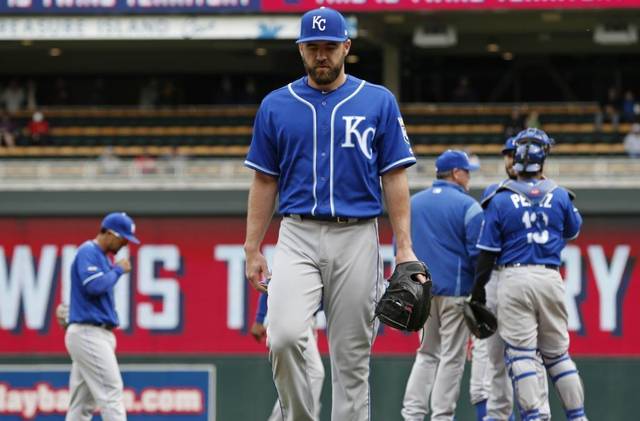
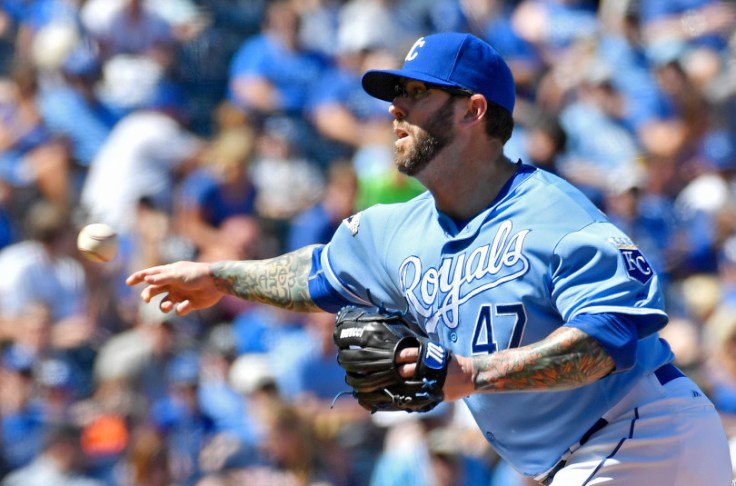
That stat looms over the Kansas City Royals as the biggest factor to their 0-3 start to the 2017 campaign. Twenty three is the number of walks they have given up already this season, leading the American League by 5 over Houston’s 18. That’s 8.63 BB/9, which surprisingly isn’t higher than the team’s K/9 rate, which is 9. 38. So the Royals pitchers are walking and striking out batters so far this year, but the numbers are even scarier when you break it down to the team’s starters and relievers. The Royals pen have a BB/9 rate of 12.38; in context the next closest bullpen in the AL is Houston, at 5.06. The pen has the league’s highest FIP, ERA and tied for the worst WAR. Luckily (once again), they have the second highest K/9 rate at 11.25. So the bullpen has been a trouble spot, as Fangraphs predicted. But…I still believe the pen isn’t as bad as believed and unfortunately for me, only time will really prove me right or wrong. What can be proven is that with only 3 games in the books, everything at this point is a small sample size. In fact, these aren’t the only numbers that really stick out this early in the season.
Here are a few more small sample sizes that skew anyone trying to plan out for the entire 162 game schedule:
Mike Moustakas-.769 slugging percentage (2 home runs so far)
Lorenzo Cain-38.5% walk rate (5 walks in 3 games)
Matt Strahm-13.50 HR/9 (1 HR given up over 0.2 innings pitched)
So what is the point of this little exercise? To show that statistics early in the season mean close to nothing. Remember last year about this time when Trevor Story of Colorado went on a home run rampage and was on pace to hit 162 home runs? He ended up with only 27. If you really believed he was going to hit a home run a game, 27 looks like quite the paltry number. The point is that while the numbers can show why the Royals bullpen has been a steaming pile of monkey dung, those numbers won’t hold up over an entire season. Then again, some things never change:
Eric Hosmer-60% Groundball rate (58.9% in 2016, leading all qualified batters)
Stay gold, Ponyboy. We can always count on Hosmer to hit the ball on the ground…
Now, the bullpen isn’t the only story to take away from the first series up in Minnesota; the offense has done its part to make sure people are talking about them as well. The Royals so far are hitting .174/.255/.283 and those numbers are improved since the offense actually contributed in game 3 of the series, as opposed to the first two games. Last in RBI’s and WAR, next to last in batting average, wRC+ and on-base percentage, and 13th in slugging percentage. The offense we saw in Arizona this spring apparently decided to stay there and hopefully will be catching an adjoining flight to Houston this weekend. This offense has been known to be streaky over the last couple seasons and are continuing that tradition into 2017. While I don’t expect the offense to be in high gear all season, they need to improve. Kansas City’s pitching is just not good enough to maintain an offense that goes silent for super long period’s of time.
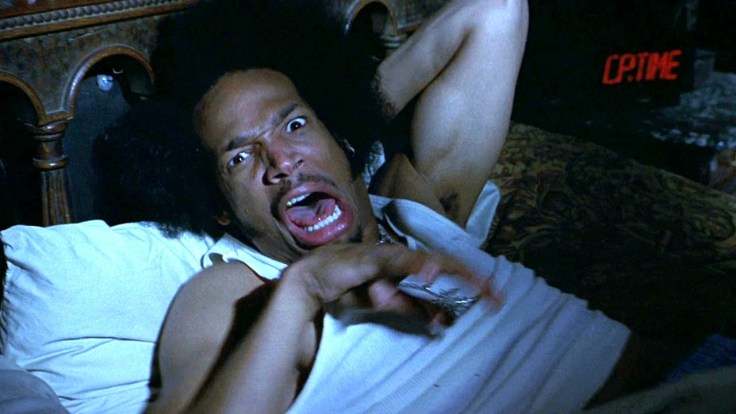
So three games in and we have seen a very lackluster effort from the Royals. In some ways, that first series was a horror show for Kansas City:
No, not that kind of horror movie; more like this kind of horror show:
The good news is that it can’t get any worse that what we have seen so far this week. With that being said, a bit of kudos go out to the Twins. While the Royals looked awful, Minnesota did about everything right. The two biggest issues they had in 2016 were defense and the bullpen, and both appeared improved in the first series of the year. For Kansas City, they need to improve sooner rather than later, because if they are out of the pennant race when June rolls around, the fire sale could very well begin. The Royals are better than they have showed early on and I have to believe we will see that soon enough. If not, I have put a lot of faith in a group of guys who have done nothing but proven people wrong over the last 3 years. It’s time to prove more people wrong.
Ah, yes…Opening Day is upon us as we embark on a new Major League Baseball season. For the majority of teams, this is a time of hope and optimism. For a few, there is more of a glance to the future than the present. As baseball fans, every year we throw out our predictions, hoping by mid-season they aren’t a big colossal mass of hilarity. I don’t take my predictions super-serious, but I’m always hopeful that I am at least within the vicinity of reality. So without further ado, my predictions for the upcoming season.
American League East
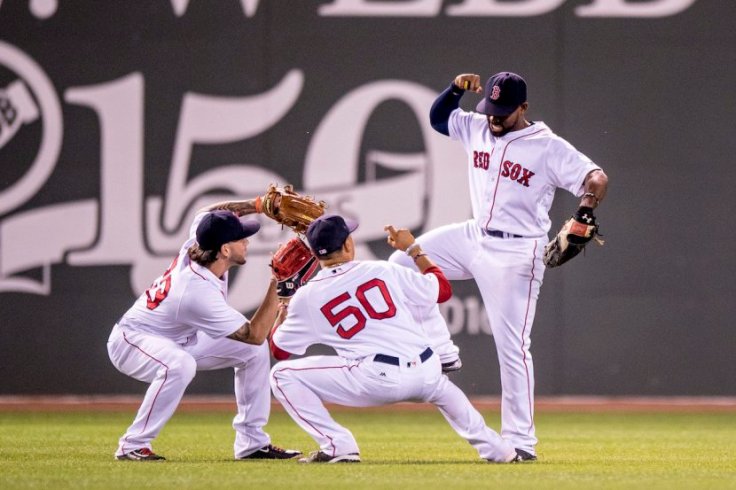
Boston Red Sox
Toronto Blue Jays
Tampa Bay Rays
New York Yankees
Baltimore Orioles
American League Central
Cleveland Indians
Kansas City Royals
Detroit Tigers
Minnesota Twins
Chicago White Sox
American League West
Houston Astros
Texas Rangers
Seattle Mariners
Los Angeles Angels
Oakland A’s
National League East
Washington Nationals
New York Mets
Miami Marlins
Philadelphia Phillies
Atlanta Braves
National League Central
Chicago Cubs
St. Louis Cardinals
Pittsburgh Pirates
Cincinnati Reds
Milwaukee Brewers
National League West
Los Angeles Dodgers
San Francisco Giants
Colorado Rockies
Arizona Diamondbacks
San Diego Padres
Awards
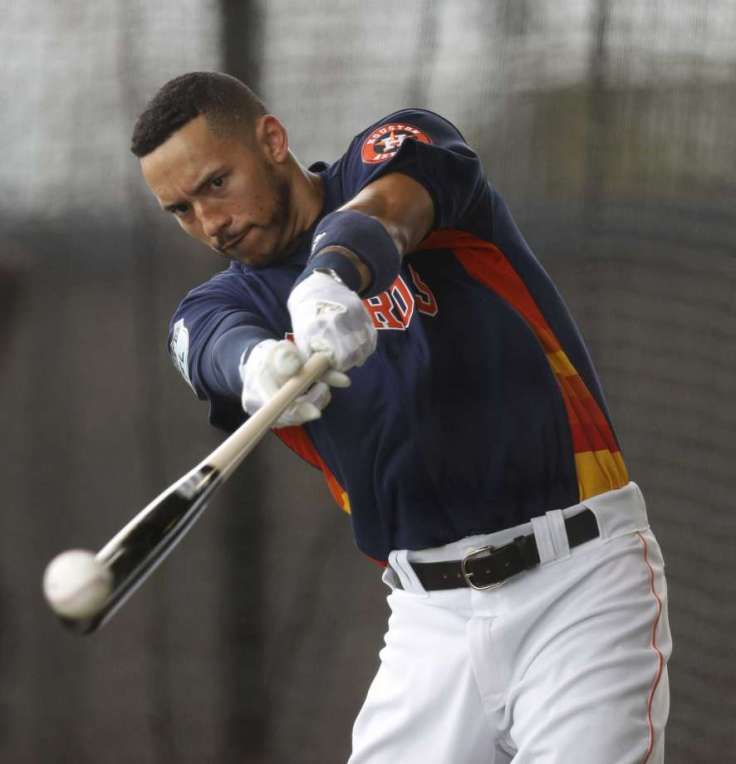
American League MVP: Carlos Correa, Houston
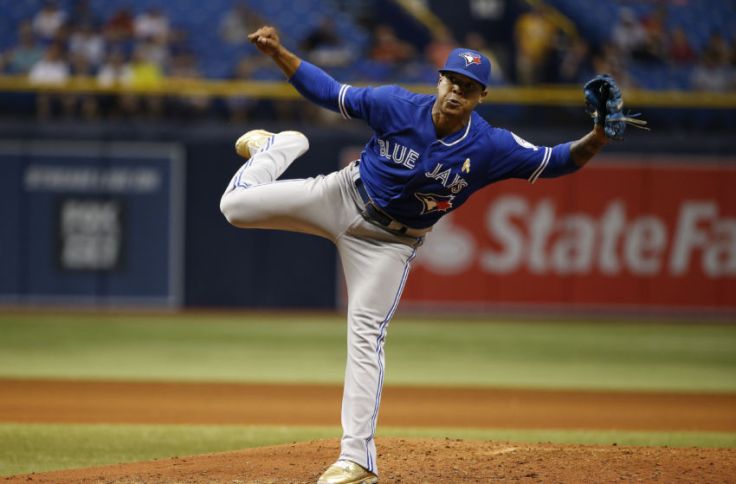
American League Cy Young: Marcus Stroman, Toronto
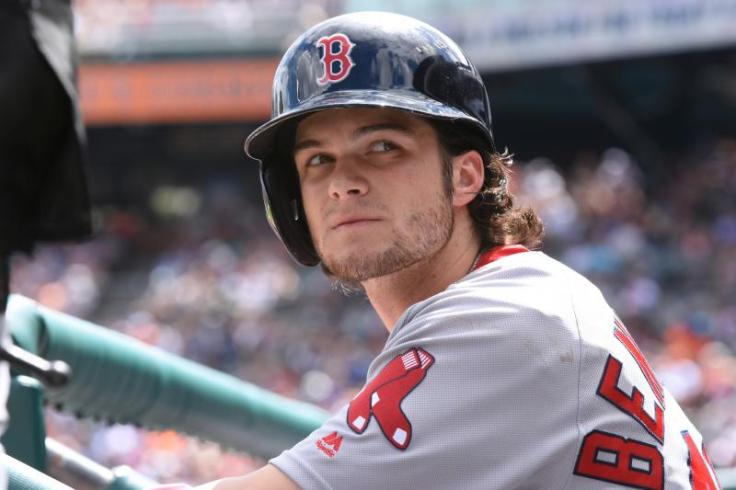
American League Rookie of the Year: Andrew Benintendi, Boston
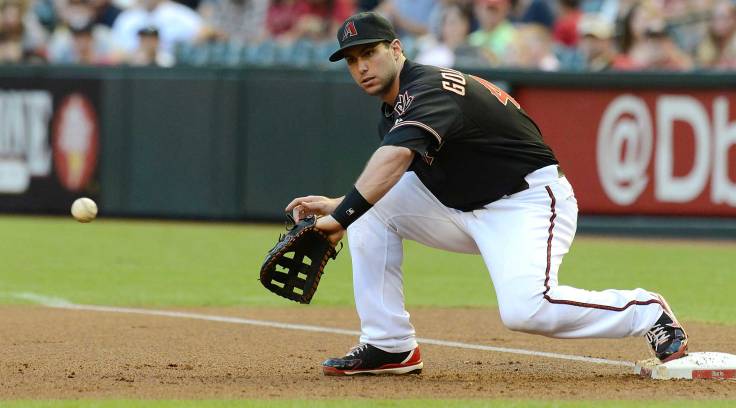
National League MVP: Paul Goldschmidt, Arizona
National League Cy Young: Clayton Kershaw, Los Angeles
National League Rookie of the Year: Cody Bellinger, Los Angeles
Playoff Teams
American League
Division Winners: Boston, Cleveland, Houston
Wild Cards: Toronto, Kansas City
American League Champions: Toronto
National League
Division Winners: Washington, Chicago, Los Angeles
Wild Cards: New York, San Francisco
National League Champions: Washington
Am I super confident about my picks? Nope. Baseball is a funny thing, largely because of the length of the season. There are so many twists and turns that there is no way to truly predict how it will all shake down. What I can say with confidence is that another fun, memorable season is getting ready to start and I can’t wait. The best part about baseball is the storyline that it revolves around. I can’t wait to see how this whole thing unfolds. Last October, we had a great Cleveland/Chicago World Series; what do the baseball God’s have in store for us this year? Truly, only time will tell.
Earlier in the week it was announced that former Kansas City Royal outfielder David DeJesus was calling it a career and was joining the Chicago Cubs CSN studio team for the upcoming season:
My first official press pass!!😎😎so many fun interviews out in AZ. Cant wait to get back to Chicago!! pic.twitter.com/nIYBKzagkP
While some will remember DeJesus for his time with the Cubs, A’s or Rays (and most will forget his short stints with Washington and the Angels), most Royals fans will remember his stint in Kansas City, where he began his career. I was always a DDJ fan, as he was a great defensive outfielder who got on base and for a period was an All-Star caliber player. More than anything, DeJesus was a steady performer that you could always count on, and I appreciated that. I thought about going in-depth into his career but instead thought it would be fun to go back and look at some career highlights, including this walk-off home run in 2008:
DeJesus wasn’t known for his power (only 99 career home runs over 13 seasons), but he did supply a bit of pop from time to time. DeJesus took that pitch in the heart of the plate and drove it off to win the game for Kansas City.
This isn’t a highlight but a nice look into a young DDJ who talked about baseball with his family as a kid. If you watched the Royals during the early 2000’s, you are aware of why they would need to put together a video like this to introduce their players to the fanbase, which was very small at that point. I had almost forgotten that David was the replacement in center field for Carlos Beltran, who was traded to Houston during the summer of 2004.
It feels a bit weird to post multiple home run videos from a guy who didn’t hit a bunch of them, but there was something else in this that shows what a solid batter DeJesus was. If you notice his swing, there is a slight uptick, but not much. For the most part that is a very level swing that he was able to get behind and take deep. He didn’t go out of his way to hit the ball out, but he would make you pay for a mistake pitch and knew how take advantage of a pitcher’s carelessness.
My favorite part of his game was defense. DeJesus wasn’t the fastest man, nor did he have the best arm. But he was a smart defensive player and right there you see a piece of that. He followed the ball, played the carom well off the wall and made a perfect throw into second base. DeJesus’ was best playing the corners of the outfield and he showed there how it’s not as much about how strong it is; it’s more about how accurate the throw is.
2010 was a big year for DeJesus, as he really came into his own, hitting .318/.384/.443. It was also his final year in Kansas City and his trade value that summer was never higher. Unfortunately for the Royals, DeJesus would get hurt a little bit before the trade deadline and wouldn’t actually deal him until the following winter. It really felt at the time like the Royals missed out on a great opportunity to get a good haul for him, but alas would have to deal him to Oakland in November (for Vin Mazzaro and Justin Marks. WTF?). Watching this video is a great summation of his talent; hit the ball where it’s pitched, nice easy swing and a dash of good luck. By this time he had become a very good player and was worthy of all the All-Star talk around him.
The other thing was that DeJesus was about as clutch as any player on the Royals at the time. It always felt like he knew when to try and drive the ball and when to just go with the pitch, as he drove that pitch into the alley in right center. DeJesus was a great fit for Kauffman Stadium; a solid gap-hitter with above average speed. Even better, that was against Kerry Wood who was still a very good pitcher at that time.
What a great couple of defensive plays right there? Us Royals fans are used to sparkling defense in left field nowadays, with Alex Gordon roaming out there, but I would put that catch up there with a good chunk of Gordon’s catches. The throw home was a great baseball play; good awareness, knew where the runner was at and made a perfect throw to home plate. You often hear it is always about the little things and right there is a perfect summation of that.
Finally, this wasn’t during his time in Kansas City, but I love the fun aspect of this. Here he is, just enjoying some ice cream during an extra inning game. It always felt like DeJesus loved playing the game and right there is a good sign of that.
I tend to always look back fondly at DeJesus’ time in Kansas City and how unfortunate it was that it ended too soon. He was a great story, a kid drafted in the 4th round of the 2000 baseball draft and in the majors three years later. There has already been some discussion on whether or not he should be in the Royals Hall of Fame, and I would lean toward yes. He played part of 8 years in Kansas City, hitting .289/.360/.427 and an OPS+ of 108. If you were a Royals fan during that time span (and even back then I watched 3/4 of the games every year), you knew there wasn’t always something to cheer about in Kansas City. But David DeJesus…he was worth every clap he ever received at Kauffman Stadium, and possibly even more.
It’s been a slow winter for the Kansas City Royals so far. Outside of the acquisition of Jorge Soler, the possible next biggest news for Kansas City might be the team re-signing backup catcher Drew Butera. Yep, that is how slow it has been. In fact, you’ve probably heard many a Royals fan utter the phrase “Just sign someone, anyone…”. Well…you got your wish, as Kansas City signed four players to minor league deals on Christmas Eve. On that list is pitcher Bobby Parnell, infielder Brooks Conrad, outfielder Ruben Sosa and…former Royal Jonathan Sanchez. Yes, the same Sanchez who was acquired for Melky Cabrera at one point. The same Sanchez who was absolutely atrocious during his short stint in Kansas City. We will get back to him in just a moment. But first, lets look at all of these signings and what to expect from them.
Let’s start with Parnell, who is the biggest name on this list. Parnell used to be a solid contributor out of the bullpen for the Mets, including a four year run from 2010 to 2013 where he produced an average 140 ERA+ during that span. Injuries curtailed Parnell’s run after that, appearing in just one game in 2014 (due to Tommy John surgery) before returning to the Mets for 30 games in the 2015 season. That year was nothing to write home about, as Parnell posted an ERA+ of 61, a FIP of 4.18 and an ERA of 6.38. Parnell signed a minor league deal with Detroit last year but threw most of the year in AAA, putting up very pedestrian numbers. He did appear in six games for the Tigers, throwing 5 innings, striking out 4 while walking 5 in that short span and would eventually be let go by Detroit. The one positive in 2016 for Parnell was that the velocity on his fastball did increase, picking up to 94 mph on average, one mph faster than he racked up in 2015 and closer to the upper 90’s fastball seen by him before the surgery. I actually think Parnell could be a valuable asset in the Royals bullpen, as he could be in the vein of a Ryan Madson, who had been out of baseball for a couple of years before signing with Kansas City before the 2015 season. This is a quality signing by Dayton Moore in my eyes.
Conrad is a veteran journeyman who has floated around baseball for about 15 years now and played in the Independent League in 2016. Conrad last saw action in the minor leagues back in 2015, posting a line of .190/.280/.319 in 83 games. Conrad has basically been used as a utility infielder throughout his career, seeing most of his time at third base. He has played parts of 6 seasons in the major leagues, putting up a line of .200/.271/.389 over 515 plate appearances. It’s pretty obvious that Conrad’s signing was a depth move, as he can fill a number of roles if the Royals end up placing him in either AA or AAA. In fact, I would dare to say there is a chance he was signed for the sole purpose of working with many of the younger players in the farm system and might even be a future coach in the Kansas City system. This might be a signing that was being eyed more for a future role in the organization than anything else, so I wouldn’t really expect to see him in Kansas City at anytime in 2017.
Sosa is an outfielder who has spent most of his career in the Astros and Angels organizations. Sosa hasn’t had a horrible minor league career, posting a career line of .282./.366/.391 over six seasons. Sosa is a speedy outfielder who seems to take a good amount of walks, but also strikes out quite often (319 strike outs in 419 games). What probably caught the Royals eye is his work in the Mexican League in 2016. Over 70 games, Sosa hit .371/.458/.517 with 22 stolen bases. Sosa probably is a backup outfielder at best if he would reach the big leagues, used mainly as a defensive replacement and pinch runner would be my guess. Sosa would be a long-shot to get to Kansas City and has been assigned to the Kansas City AA affiliate, Northwest Arkansas.
Finally, we have reached the main event, former Royal Jonathan Sanchez. I’m sure many a Royals fan cringed when they heard Moore had signed Sanchez to a minor league deal, as he is not fondly remembered by Royals fans. Lets not mince words-Sanchez was awful during his short span in Kansas City. In just 12 games (and yes, it feels like he pitched more than that for Kansas City), Sanchez 0.82 Strike out to walk ratio, an ERA+ of 54 (100 is league average) 6.45 FIP and a -1.3 bWAR. Before you ask, yes, Sanchez was as bad as the numbers indicate. The worst part of his run in Kansas City was that it just seemed like he didn’t want to be with the team, so he was dealt to Colorado in July of 2012 for Jeremy Guthrie. Incidentally, my first post on this blog was spent talking about that deal, a deal that was definitely one of Dayton Moore’s best. All this being said…it doesn’t really bother me that the Royals have brought Sanchez back into the fold. The honest truth is that the likelihood that he makes it to the big league club is slim and none. Sanchez hasn’t pitched in the majors since 2013, where he pitched in 5 games for Pittsburgh, throwing only 13 innings, allowing 18 runs and 7 home runs in that short amount of time. He was in the Reds camp last year for Spring Training, but was released at the end of camp. It is very simple math with this signing: if he is awful, the team will release him in Spring Training and that will be that. If he does good, then he can actually contribute to the Royals in 2017, something he didn’t do the first time around. Kansas City doesn’t lose anything by bringing him in, other than a small amount of time.
The honest truth is that moves like these are necessary for any major league ballclub. Most minor league deals are done for one very big reason: depth. A team never knows how the season will unfold and the more depth you have stored away in the minor leagues, the more likely you will stumble across someone who can contribute to the major league team. It’s a total win/win situation, as most of these signings are done very cheaply and don’t cost the team anything. Over the years the Royals have succeeded on a few of these signings, especially with a few guys who were coming off of injuries and were able to be a part of the big league roster. Ryan Madson is the most prolific, as he pitched good enough in 2015 to earn himself a lot of money from Oakland that following winter. So while these signings aren’t going to blow anyone away, you never know what might actually pan out. So I’m not going to get worked up about Sanchez being in Royals camp this spring; the honest truth is the Royals gave up nothing for him and he either pitches good or he is gone. This time around, Sanchez needs the Royals more than they need him.
We are halfway through December and the Kansas City Royals’ hot stove is lukewarm at best. So far this offseason Kansas City has re-signed Drew Butera, traded Wade Davis for Jorge Soler, and have said goodbye to Edinson Volquez, Kendrys Morales and Tim Collins (who signed a minor league contract with the Nationals this past week). So we have seen a very uneventful winter so far and the likelihood of something happening around the holiday season is very slim at best. That being said, a number of Royals have been linked in trade rumors so far, which makes sense as the Royals don’t look to be major players in the free agent market. So which Royals could be dealt and where? Let’s dive in and break down these rumors.
Let’s start with the most recent rumor, which is that the Houston Astros are looking at upgrading their rotation and have placed Yordano Ventura and Danny Duffy on their targeted list. I tend to feel like the chances of Duffy being dealt are slim or none, especially considering the Royals have opened talks with him on a contract extension. So if we take Duffy out of the equation (for now), then that leaves 25 year old Ventura, who has been a lightning rod throughout his early career. Most know Ventura has electric stuff, as he can reach 100 MPH on the radar gun and an equally as nasty curveball. The issue with him has been bouts of inconsistency and maturity, which continues to rear it’s ugly head. The potential of Ventura, plus his age, makes him a salivating target for GM’s around baseball, and when you add in the fact that he still is under team control for another three seasons (plus two more years of team options), you can see why a team like Houston would be interested. With all of that factored in, I can see a scenario where a Ventura trade could happen, but only if Kansas City got a healthy haul from their trading partner. Kansas City doesn’t have one of the best rotations in baseball, so if they dealt a Ventura, they would have to get at least one more arm in return that could fill his spot on the team. I actually believe Kansas City should look deep into a deal with someone like Houston, since they have a stocked farm system and could help bring them a couple of players in return to help replenish the Royals main roster and/or farm system. It would be hard to deal a player with the potential of Ventura, but one has to wonder if he will ever grasp the mental aspect of the game, which would elevate his game to the level of his potential. I think this is a deal worth exploring if you are the Royals front office.
One trade that has been rumored that I believe will happen at some point is the Royals dealing Jarrod Dyson, who is entering the final year of his contract. Dyson so far this winter has been linked to Baltimore, Texas, St. Louis and most notably Oakland, who was talking to Kansas City during the Winter Meetings about Dyson. Dyson is an affordable (he made $3.45 million last year), versatile outfielder who brings plus defense and baserunning, especially as a secret weapon off the bench as a pinch runner and defensive replacement. Dyson’s value has never been higher and is coming off a season where he led the Royals in bWAR (3.1). It only makes sense to deal Dyson, especially with Billy Burns on the Kansas City roster, a player who essentially is a younger, cheaper version of Dyson. I would expect before the winter is out that Dyson is elsewhere and hopefully the Royals can get a solid trade piece in return, like a plus arm for the rotation or bullpen.
Another trade possibility is Kansas City centerfielder Lorenzo Cain, who is also entering the last year of his contract in 2017. Cain is coming off an injury plagued season that saw him appear in only 103 games for the Royals.So far this winter the Rangers, Cardinals and Dodgers have all inquired about Cain and at one point they had discussed him in multi-player trades involving Wade Davis, before Davis was dealt to Chicago. When healthy, Cain has become a force in the Kansas City lineup, a third place MVP finalist back in 2015. But that health is the issue and probably why Kansas City won’t look too deep into extending him past 2017. Cain has only played in more than 140 games once in his career (2015) and has been a regular visitor to the disabled list throughout his seven year career. Add in that he is entering his age 31 season and has been rumored to want at least a four year deal when the Royals had discussed extensions a couple of years ago. I don’t believe there is a very high chance of Cain being traded, but it might not be the worst thing for Kansas City to listen to any offers that teams have for Lorenzo. Cain could probably get a couple of solid big league players and teams would be drawn to his defense and postseason experience. I’m not expecting him to get dealt, but I also wouldn’t be shocked if it happened.
A player I see getting traded even less than those mentioned above (and in fact I would say the chances are about as slim as they come with him) is Mike Moustakas. Now, I haven’t really seen his name mentioned, but his name had at least been tossed out there:
Moustakas is also entering the final year of his contract but he is coming off of an ACL injury that sidelined him for the final four months of the 2016 season. While I doubt Moose will get traded, the Royals do have a surplus of third basemen in Moustakas, Cheslor Cuthbert and Hunter Dozier (who the Royals have moved to the outfield but a team could still be interested in him at the hot corner). While the Royals have mentioned moving Cuthbert and Dozier around to other positions, with the right offer I could see Kansas City dealing one of these three. While the Royals would love to keep all three (especially with Moose possibly gone after 2017), there is always value in trading from a strength and right now Kansas City has one at third base. Like I said, I’m not counting on any of these three being dealt, but never say never, not with the position that the Royals are in right now.
The Royals are in a tight situation that makes this offseason different than the last few. They are entering the final year of their contending window, as they have a number of players who will become free agents at the end of the 2017 campaign, so it would appear that the team should be pushing all their chips in on another playoff run. Unfortunately, owner David Glass is refusing to increase payroll, leaving the Royals front office in a position where they have to improve the team by making trades and essentially ignoring the free agent market. Because of this, the dealing probably isn’t done and at least one or two more deals appear to be on the horizon. Dayton Moore has spent much of his time in Kansas City working around small market limitations, but this might be the most creative he has ever had to be. How do you stay a contender by not increasing payroll and not having any major prospects on the immediate horizon? Hunker down Royals fans, because a player you are probably attached to emotionally could be gone within the next couple of months. Contending can still be done; but the Royals are being forced to shift the pieces on the board more by subtraction than addition. It can be done, but the makeup of this team is about to change. Time will tell if it is for the better or worse.
On Friday night, the Kansas City Royals bullpen gave up their first run in over 41 innings(41.2 innings to be exact) and unfortunately the man who gave up that run is a veteran who has had a nice season in Kansas City, Peter Moylan (although if you want to pin some of it on catcher Drew Butera, you probably wouldn’t get an argument from me). Moylan, in his age 37 season, has thrown 31 innings for the Royals, striking out 7.76 per 9 innings, posting an ERA of 3.73, a FIP of 3.69 and continuing to induce ground balls at a high rate, 62.2% so far in 2016(61.7% average over his career). Those numbers might not jump out at you, but when you consider what all he has been through in his career, it is a major achievement that he is currently pitching in the big leagues. In fact, Peter Moylan’s story might be one of my favorite baseball stories ever.
Moylan’s baseball journey began back in 1996, when he was signed as a free agent by the Minnesota Twins. Moylan struggled for a few years in Minnesota’s farm system(Low A Ball) before they released him in 1998. Moylan left baseball, returning to Australia and becoming a pharmaceutical salesman. Yes, you read that correctly. Two back surgeries later, he was back in baseball, coaching in Australia and playing the occasional first base. The team eventually was short on pitching and threw Moylan on the mound. Back in the 90’s, Moylan threw the ball over the top. He decided to try something different:
“We were getting short on pitching and I started messing around with a sidearm delivery out in the outfield one day,” Moylan said. “When I threw sidearm, it didn’t hurt my back. Next thing I know, our pitching coach tells me I’m throwing 94 on the gun.”
Moylan was given the chance to pitch on the Australian team in the 2006 World Baseball Classic. He struck out major leaguers Bobby Abreu, Marco Scutaro, Ramon Hernandez and Magglio Ordonez. A pitcher throwing sidearm in the mid-90’s caught many a team’s attention:
“Next thing I know, teams are all over me. Three made really good offers: the Braves, the Red Sox and the Royals,” Moylan said. “I signed with the Braves so I could go to Disney World.”
Moylan made the fast track to the majors and was on Atlanta’s 25 man roster by April 11 of that year. He shuttled back and forth between the majors and AAA in his rookie campaign, throwing 14 innings, striking out 8. 40 per 9 and a FIP of 3.15 in the big leagues. Moylan was 27 years old.
Moylan became a big part of the Braves bullpen in 2007, and over the next two seasons would post some great numbers: 1.79 ERA, 244 ERA+, 4.02 FIP and a WHIP of 1.066 in 95 innings. Unfortunately, Moylan would land on the disabled list in May of 2008, and would have the first of two dreaded Tommy John surgeries. He would return in 2009 and re-assert himself into Atlanta’s pen, and would put up some good numbers over the next four seasons: 2.88 ERA, 140 ERA+, striking out 7.5 per 9 over 150 innings. Moylan continued to induce ground balls (his lowest ground ball % was 56.3 in 2012) but also dealt with a number of injuries. 2011 alone saw him deal with more back issues and near the end of the year he was back on the DL with a torn rotator cuff in his pitching shoulder. He would sign with the Dodgers before the 2013 season, but didn’t look like his old self; he would only appear in 14 games for Los Angeles and posted a career low ground ball rate of 28.1%. Moylan would become a free agent at the end of the season and would try to latch on with Houston, before they released him near the end of Spring Training 2014. It appeared that another Tommy John surgery was in Moylan’s future and he would have the procedure done in March of that year. At age 35, Moylan’s career seemed to be on the ropes.
(AP Photo/Colin E. Braley)
The Braves would come knocking again in March of 2015, only this time with a bit of a twist. The team wanted to bring Moylan back into the fold, but as a player/coach in their minor league system. This appeared to be a great opportunity for Moylan to be back in the game without any pressure:
“If I signed with a team, I’m obviously going to try to prove myself immediately,” Moylan said. “I risk getting hurt again. I risk having horrible numbers. Then all of a sudden, they could say, ‘He’s not doing anything, let’s get rid of him’ and my career might be over. This way, I can take my time. The Braves are going to be patient and I’m going to be patient, which is not my strong point. When it’s right, it will be right.”
The fact it was the Braves made it even better for him:
“The Braves have always been kind of like that ex-girlfriend that you always think about,” Moylan said. “I’d always check the Braves’ results and hope that they were doing well. But I can do it for real now and not have to hide it.”
Moylan would put up good numbers in the Braves Triple A affiliate, Gwinnett, posting a 3.14 ERA in 28 innings, but the best part was that his velocity appeared to be back:
“We’re all pulling for him to get another shot,” pitching coach Marty Reed said. “He’s done everything you could ask of him here. The encouraging thing for me is the last month or so I’ve seen his velocity jump up a little bit. At the beginning of the year he was mostly 88, 89 (mph), sitting right in that area, and he’d pop a 90, 91 here and there on a good night. All of a sudden you go ‘Wow,’ you look at a 91. Now he’s sitting 90, 91 and he’s popping a 93 here and there.”
The hard work paid off and Moylan was back in Atlanta by August. Moylan would only throw 10 innings for the Braves last year, but he had his ground ball rate back up to 69% and in that short span was able to accumulate 0.2 fWAR.
The Royals would sign Moylan to a minor league contract in January of 2016 with an invite to Spring Training. Thanks to former teammate and current Royals Kris Medlen, Moylan was interested in coming to Kansas City:
“A lot of it had to do with reports from Sir Kris Medlen, in regards to the training staff and how they take care of their guys — the strength guys,” the 37-year-old Moylan says. “Another part of it, for me, was I had a history with (Royals general manager) Dayton Moore. He signed me in Atlanta, and when it came time to make my decision, my agent had spoken to everyone from all the interested clubs, and Dayton was the one who was not just saying, ‘We’ll give you a job,’ but ‘We’d really like you to come here.’ It was nice to feel wanted again. I know it’s an uphill battle to make this ‘pen, let’s be honest, but to feel like you’re going to get a chance to come in and prove you can offer something, was huge for me.”
Moylan struggled to find his release point this spring and wasn’t near a big league job yet, so after opting out of his contract, he re-signed with Kansas City and went to Triple A Omaha. Moylan get the call back to the majors on May 12 and really felt like he had found his groove during that first month of the season:
“I found a comfortable release point for those last few outings of spring,” said Moylan. “I knew that I could go into the season and still do the same sort of thing. And I managed to have a bit of success down there. Next thing you know, I’m here.”
Moylan started out as an option out of the pen if the game was out of reach or if the Royals needed to go to the pen early. After the injuries to Wade Davis and Luke Hochevar in July, Moylan became a bigger part of the bullpen. Since July 31st, Moylan has appeared in 12 games, posting an ERA of 1.35, allowing only one run in 6.2 innings. Moylan has been one of manager Ned Yost’s first calls in pressure situations and has averted many a tight situation over the last month. At 37, Moylan appears to have found a new home in Kansas City.
Moylan becomes a free agent after the season and will have quite a few options on the market if he decides to leave Kansas City. He might be in his late 30’s, but Moylan is not a pitcher who relies on velocity as much as deception, guile and pitch placement. It’s hard to imagine much of anything stopping him, as he has bounced back from a litany of injuries and keeps coming back. Moylan will never be a star player and won’t get the type of adulation that the top players in the game receive. They can have all the attention in the world; what they won’t have is one of the best damn baseball stories you will ever hear about. Moylan has just that to set his hat on.
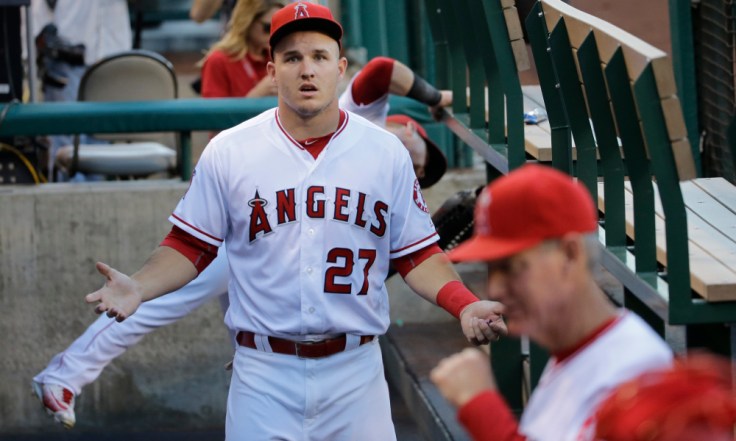
Over the last couple months, there has been quite a flurry of discussion about Houston’s Jose Altuve and him being the front-runner for the American League MVP award with the magnificent season he is having. Boston’s Mookie Betts has also moved himself into the conversation, posting amazing numbers in his age 23 season. Both players have been producing at an elite level this year and it could be a battle down to the wire for the MVP award. Only issue is that there should be a third member in this discussion, someone who has been here before and has also posted stellar numbers this year. His name shouldn’t be a shock; it’s Mike Trout.
The numbers for all three are worthy of the American League’s biggest prize. Altuve is hitting .363/.425/.575 with 20 home runs, 83 RBI’s and an OPS+ of 173. Altuve is leading the league in batting average, hits and OPS+. Betts numbers are a bit lower, but comparable: .313/.353/.555 with 28 home runs, 89 RBI’s and an OPS+of 133. Betts leads the league in at bats, runs and total bases. Trout’s numbers? .309/.427/.543 with 23 home runs, 77 RBI’s and OPS+ of 167. Trout is leading the league in walks and on base percentage. Just perusing these numbers it would appear Altuve probably has the best overall statistics, but a case could be made for both Betts and Trout. In fact, Trout’s numbers, while slightly below Altuve’s, match up quite well with Jose’s so far this year. It would only make sense for us to take a deeper look at the numbers to see just how close Trout, Betts and Altuve really compare.
(Credit: Andy Marlin-USA TODAY)
No conversation is fully complete without a deeper, sabermetric slant to it. Looking at fWAR, Trout has a very slight edge over Altuve, 6.9 to 6.8. Betts is fourth in the American League with 5.9, with Toronto third baseman Josh Donaldson sitting in third place at 6.4. Trout has the highest walk % and strike out % of the three, while Betts has the higher ISO(isolated power). Looking at their hard hit rate, Trout is second in the league with 41.2%, Betts at 35.2% and Altuve is sitting at 34.4%. Not a big surprise, considering Altuve is leading the league in singles(119) and those are normally of the softer hit variety. I decided to delve a bit deeper, since I wanted to see just what type of category each of these hitters fit into. Altuve had the highest O-Contact %(percentage of pitches a batter makes contact with when swinging outside the strike zone) with 78.3%, 5th best in the league. Trout was at 71.1% and Betts clocked in at 69.2%. When it comes to Z-Contact %(percentage of pitches a batter makes contact with when swinging inside the strike zone), Betts is 2nd in the league with 95.3%, Altuve at 91.4% and Trout at 85.9%. To me, this made total sense; Altuve has long been known as a hitter who likes to swing at pitches outside the strike zone and is infamous for dunking a single to the opposite field by slapping a pitch outside the strike zone away from defenders. Betts has the highest contact rate of the three (86.9%) and is actually fifth in the league when it comes to making contact. His numbers tell me that once he sees a pitch within the strike zone, he is swinging and making contact. He also has the lowest walk % of the three, walking only 6% of the time. It also made sense that Trout would be making the least amount of contact, as he has the highest strike out rate of the three, plus the highest walk rate. That tells me he is the most patient of the three and that can lead to both walks and strike outs. These numbers all tell an interesting story, but there is one more stat that needs special attention.
A statistic that has been making a lot of noise is WPA, or Win Probability Added. The case has been made the last few weeks for Zach Britton of Baltimore, one of the best relievers in the game, to win the Cy Young Award and much of the case hinges on his league leading WPA of 4.29. To get a better idea of what this means, here is the definition given on Fangraphs:
Win Probability Added (WPA) captures the change in Win Expectancy from one plate appearance to the next and credits or debits the player based on how much their action increased their team’s odds of winning. Most sabermetric statistics are context neutral — they do not consider the situation of a particular event or how some plays are more crucial to a win than others.
Alright, so how you feel about this stat depends on how much weight you want to put into a single play, from inning to inning. I lean toward it having stock, but there are so many variables to it and is purely a context driven statistic that it wouldn’t ever be my “end all, be all”. That being said, it does determine importance, so it does help in this argument on the importance of each player in their team’s success. No shock to me, Trout is tops in the American League at 5.03. The Angels have struggled throughout 2016 and any success they do have in many ways can be attributed to the “Best Player in the Game”. Altuve is 5th in the league, with a WPA of 2.91, while Betts is 14th with 2.24. Hey, all three are in the top 15 of the league, so it is quite easy to see their value. But Trout thumps the competition in this category, 2.12 higher than the runner-up Altuve.
(AP Photo/Gregory Bull)
So after this, who is your front-runner for AL MVP? Altuve is going to be the popular vote at this point and the numbers show someone who is worthy. Like everyone else, I love watching him play and as a short guy myself, I can’t help but root for him. That being said, I think there is an argument for Mike Trout, and in fact I might lean a bit more toward him. Just because he is playing on a losing team doesn’t mean he is unworthy of being the league’s MVP. In some ways, one has to wonder just where the Angels would be without Trout. There is over a month before votes have to be turned in, and as I learned a couple years ago, making a pick weeks in advance is a silly mistake. This race could go right down to the wire and very well could be a pier six brawl for the MVP trophy. Much like in 2012 when both Trout and Miguel Cabrera were worthy winners, this year looks to be much the same. There might not be a wrong choice, but more than likely there will be a better choice. Right now, it looks to be Mike Trout.
The first half of the 2016 season was glorious for Eric Hosmer. Hosmer was the steady force of the Kansas City Royals offense, putting up a line of .299/.355/.476 with 13 home runs, 49 RBI’s and an sOPS+ of 124. He was more than deserving for his start in the MLB All-Star game and it really seemed as if he had finally reached his true potential. Even I, who had wavered on Hosmer throughout the years, was finally believing that we were seeing the true Hos and he was past his yearly “summer swoon”. What is the “summer swoon” you ask? Every year, Hosmer would go through a stretch where he would look lost at the plate, his mechanics would be all out of whack and his numbers would start to take a nosedive. If you only follow the Royals on a national level(and by that I mean only follow the team in October) you have no clue about this, because the national media never discusses this. But it’s a real thing, and it has been rearing it’s head over the last six weeks.
We all remember Hosmer’s home run in the All-Star game, a shot that seemed like a precursor to the second half of the season. Only problem was that Eric didn’t get the notice. So far in the second half of the season, Hosmer is hitting .203/.261/.333 with 4 home runs, 20 RBI’s and an sOPS+ of 63. Those numbers might even be generous, since he has hit home runs in back to back games this week, which would raise his slugging and production totals. He has struck out 26 times in just 32 games in the second half, 36% of his first half total of 72. He has been doing it to himself, as he has the highest ground ball percentage in baseball:
Top Hitters in Groundball Rate Hosmer: 61% Kendrick: 60% Freese: 59% Villar: 58% C Hernandez: 57% Yelich: 57%
61% for a guy who is supposed to be a middle of the order bat, someone who should be providing the team with a higher average of extra base hits. In comparison, Mike Trout has a ground ball rate of 39%, Mookie Betts 42%, and Jose Altuve 41.9%. Now I know I used three of the best hitters in the American League, but I wanted to prove a point. Those numbers should be the ones that Hosmer strives for, especially if he wants to be considered a top shelf player. The lowest percentage of ground balls that he has had in his career is 49.7%, and that was all the way back in his rookie season, 2011. Over the last few years this rate has hovered in the lower 50’s until the big increase this season.
(AP Photo/Charlie Riedel)
During this latest swoon, Hosmer’s exit velocity has taken a dip as well:
As the chart shows, Hosmer’s highest peak was right around the All-Star break and since has struggled to climb back up to his peak levels. This past week has seen a big spike(I’m sure the two homers have helped) and there does seem to be a four-week increase, which is a positive sign. One of the big issues that Hosmer has incurred this year is dealing with the inside pitch. Hosmer has seen an increase of off-speed pitches over the last month or so and justly is swinging at a higher percentage of those pitches:
The interesting part is that he has still posting the second highest hard hit % of his career, but also the second highest soft hit % as well. To me, this reads as someone who is either going for all or nothing at the plate.
What is most interesting with Hosmer is how streaky a hitter he has been over the years. Since 2012 he has had a stretch each season where he struggles; that within itself isn’t too shocking, since most players have stretches of inconsistency. Hosmer’s though are periods of just looking lost at the plate. September 2015: .239/.328/.410. June 2014: .195/.240/.292. March/April 2013: .250/.337/.306. Sept/Oct 2012: .179/.264/.295. Even in his rookie season of 2011, he posted a rough June line of .253/.312/.293. Early in his career these stretches could be chalked up to growing pains; for a younger player it is fairly common, as they deal with major league pitching. The concerning part is that this seems to be consistent each season. During those stretches, it appears that his mechanics are out of whack and there is no consistency with his swing. One subject that has been noted by the Royals broadcast as of late has been what Hosmer does with his legs as he gets ready for the pitch to arrive. Part of the time he is using a toe tap:
The toe tap seems to steady him quite a bit and honestly, he has seen the most success this past month with the toe tap. But other times he likes to employ a leg kick:
The leg kick sometimes works, but it also becomes a timing mechanism and doesn’t appear to be as consistent. Who knows what hitting coach Dale Sveum has told him, but it would seem that the toe tap helps with his timing and is more consistent.
What makes this of greater importance is the fact that Hosmer will be a free agent after the 2017 season and is hoping to garner a huge contract. How huge you ask? Jon Heyman discussed that last month and came away with an interesting answer:
Hosmer’s camp isn’t tipping their hand, but Royals brass, which stepped up with a $70-milllion deal for free agent pitcher Ian Kennedy and $72 million for another core star Alex Gordon, seems to have an idea Hosmer could be seeking $20-million plus per year on a 10-year deal.
It seems hard to fathom that a player with the only accolades on his resume being Gold Glove winner and one All-Star game appearance could get a $200 million dollar contract. Maybe it’s just me, but I can’t imagine a world where a player who has only 10.0 bWAR and a slightly above average OPS+ of 107 over six years would get a king’s ransom. But there is also this little nugget-Scott Boras is his agent. So of course, there is a Boras spin on Hosmer:
“The premium associated with 27-year-olds are very different than metrics associated with 32-year-olds, especially when it’s a widely known Gold Glove franchise-type player who also has the ability to perform at extremely high levels in big situations and on big stages. You’d have everything you’d want in a free agent Eric Hosmer.”
I’m not saying Hosmer doesn’t deserve a big contract, but it also feels like there should be a disclaimer note on him before a team decides to purchase him.
It appears Hosmer might be coming out of his funk this week, as he has been 4 for 17 with 2 home runs and 5 RBI’s, including a go-ahead homer on Wednesday night. The Royals are riding a hot streak of late and look to be gearing up for another run at a playoff spot, as they are 8-2 over their last ten, 6.5 games out of a wild card spot. If that is to occur, they need Eric to perform at the level he has the last couple October’s. Hosmer has had sporadic success over the years and every time he rides a hot streak it makes us wonder if he is finally living up to potential. If not, he is still a very good ballplayer who has earned a starting spot on a big league club. But if he really wants to cash in next offseason, he is going to have to show that consistency that teams cherish. Rather than taking two steps forward then taking two steps back, it’s time for Eric Hosmer to take two steps forward and don’t look back.
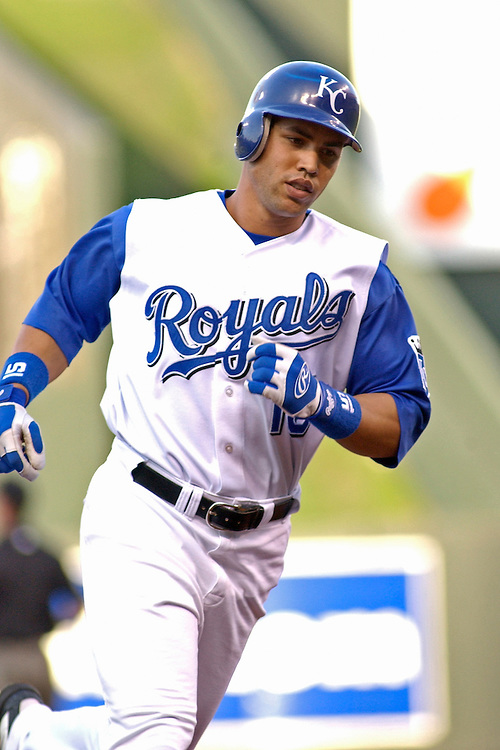
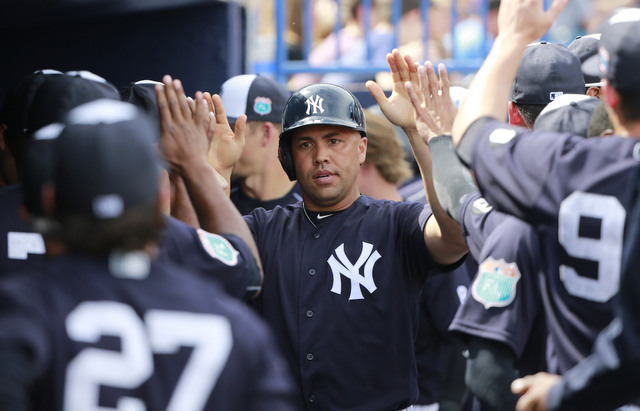
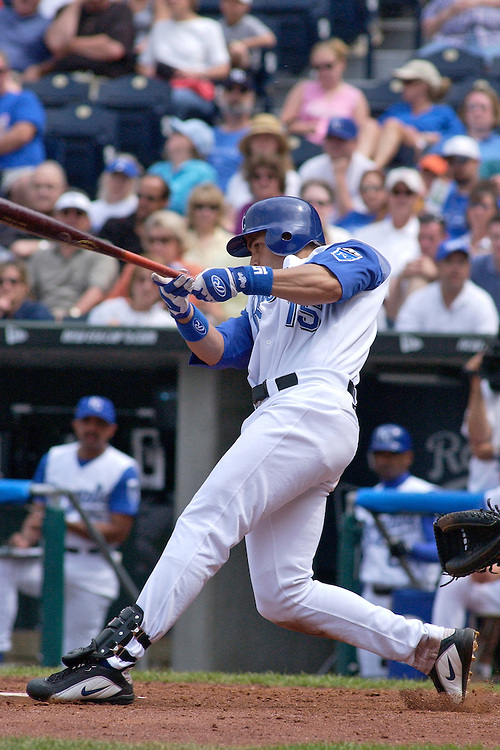
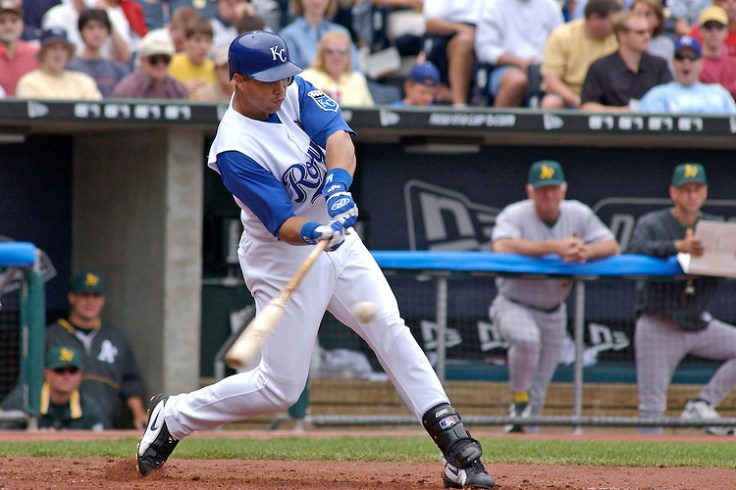
With the trade deadline looming about six weeks away, it is the time of the year where speculation runs rampant. In fact, be prepared for so many rumors during this time period that you can probably discard about 3/4 of them from your brain. One rumor that I can guarantee you will hear a bunch moving forward is whether or not the Kansas City Royals will visit a reunion between themselves and current New York Yankee Carlos Beltran. For the uninformed, Beltran actually began his big league career in Kansas City, playing there from 1998 through the middle of the 2004 season, when he was dealt to Houston. The Royals even attempted to sign him before the 2014 season; but despite a spirited try, Beltran decided to head back to the bright lights of New York City. So should the Royals bring Beltran back to the midwest? Let’s take a look.
When this subject was initially broached to me back in May, I scoffed. I just didn’t believe that Beltran, at 39 years old, was a good fit for the Royals. He is a below average defender now, which probably leaves him in the position to DH more than anything else and the Royals have Kendrys Morales, who is also without a defensive position in the field. Add in his age and how batters are normally in full-blown regression at this stage of the game, adding Beltran didn’t seem like a step forward for Kansas City. But as we sit here in June, Morales is still struggling and Beltran has done something I wasn’t expecting: his numbers have gone skyward during this last month. With that said, let’s break those numbers down a bit farther to see if he would be a good fit in Kansas City.
(Credit: Adam Hunger-USA TODAY)
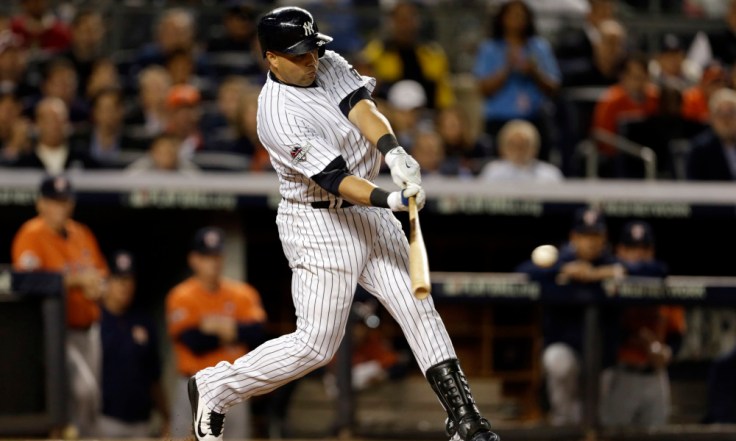
Let’s start with the basics. Beltran’s line so far this year sits at .282/.316/.573 with 16 home runs and 43 RBI’s. To really grasp this, for the entire 2015 campaign, Beltran hit 19 homers and knocked in 67 runs while hitting .276/.337/.471. I like to dig deeper though, to fully weigh just how everything breaks down. Beltran’s OPS+ currently sits 135 compared to 120 last year and unless something drastically goes awful, has the same bWAR(1.0) as he did in 2015. His walk rate is down by quite a bit from 2015, as his strike out rate has gone up, but I tend to think you can link those together a bit with the increase in power. In fact, Beltran’s ISO this year has rocketed up almost one hundred points from last year, .291 from .195.
(Credit: Kim Klement-USA TODAY
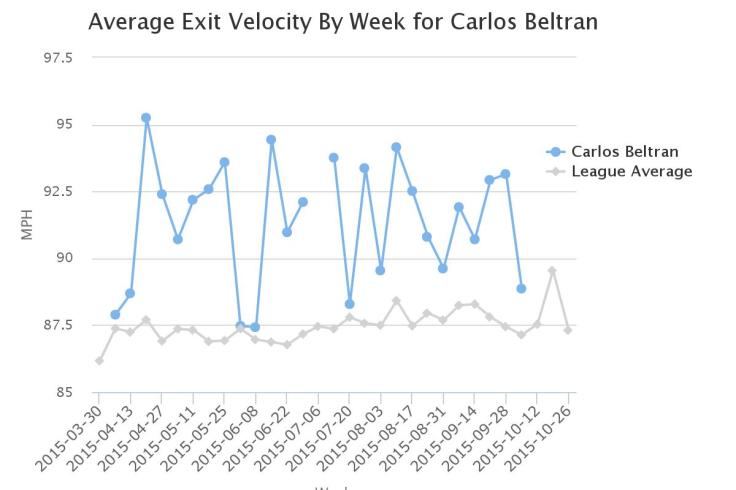
Now to the real meat and potatoes that I feel will give us a good grasp of Beltran’s performance; how hard is Beltran hitting the ball and how often? In an interesting swerve, Beltran’s line drive rate is down(18.3%), his ground ball rate is up(39.6%), while his fly ball rate is the same from 2015. But his Home Run to Fly Ball ratio has doubled(22.5% from 11.1%) while his hard hit rate has gone up(36.7%) and his soft hit rate is down(11.2%, the lowest it has been since 2006). This goes in line with his exit velocity this year, which has been above the league average for all but two weeks this year:
As you can tell, Beltran’s exit velocity has been above 92.5 MPH for a large chunk of the 2016 season, an increase from 2015. In fact last year barely saw him get in the 95 MPH range:
So what does all this tell us? It tells me that Beltran seems to be not only seeing the ball very well this year but is also hitting the ball with some authority. This is a good sign for Beltran, as he is not getting beat by the fastball, a common occurrence for player’s his age. In fact Beltran has been within 5% of his hits coming on fastballs for the last six seasons. It’s a bit odd to see a hitter staying close to his same numbers near the tail end of his career, so the fact that Beltran’s hit selection hasn’t seen a drastic change is a good sign if Kansas City wanted to go after him.
June 1, 2003.
One more positive from Beltran’s numbers is that there isn’t a drastic difference between when he hits from the right or the left hand side of the plate. Against right-handed pitching he is hitting .289/.318/.563 while against left-handed pitching he is hitting .280/.321/.587. I’m actually a bit surprised by this, since Beltran plays his home games at Yankee Stadium, which has that short right field porch. All you have to do to hit it out of Yankee Stadium is to hit the ball 314 feet to right field and you have yourself a home run. This would seem to benefit Beltran when he bats left handed, which he does the majority of the time(142 at bats hitting left handed, 75 right handed). But just peeking at the stats show that there isn’t a giant split in those numbers, which tells me he is just flat-out raking, not just taking advantage of his home surroundings. I’m sure Beltran’s numbers are a tad skewed because of his stadium(11 of his 16 home runs are in New York) but if you are looking at the entire offensive package, Beltran is putting up solid numbers almost everywhere, including his four games in Oakland. If there were concerns about Beltran coming to play in Kansas City and hitting in a pitcher’s park like Kauffman Stadium, I would tend to lean toward that not being a big issue moving forward.
May 31, 2003.
So after looking at all of Beltran’s numbers, the question will be asked again: should the Royals look into bringing him back? I can’t believe I am going to say this but yes, I think they should. With Morales continuing to struggle and the combo of Jarrod Dyson and Paulo Orlando starting to come down to earth, it might be a good time to take a flyer on Beltran. The Royals shouldn’t give up a major prospect(or a needed piece of the current roster) for Beltran, but I tend to think New York won’t ask for something like that. Beltran’s contract only runs through the rest of this season and there have been whispers that he might decide to retire once the season is up. It’s conceivable to think the Royals could take on his contract for the last few months of the season and see if he can help them offensively. It would be assumed that Beltran could see some time in right field(especially if Morales starts to hit) but it makes sense for him to mostly be a DH if he came to Kansas City. The Royals have had some offensive struggles as of late and adding a solid bat for the stretch run might be just what this team needs. While the Royals haven’t looked like a contender during this most recent road trip, as I type this they are only four games out of first place in the American League Central, or within striking distance. Reuniting Beltran with the Royals(plus Alex Gordon returning from the disabled list) might be just what the Kansas City offense needs. Since we all love feel good stories, can you think of a better one than the future Hall of Famer Carlos Beltran, returning to the team that he began his career with, and helping them reach the playoffs for the third consecutive season? Sounds like the storybook ending that Beltran’s career deserves.
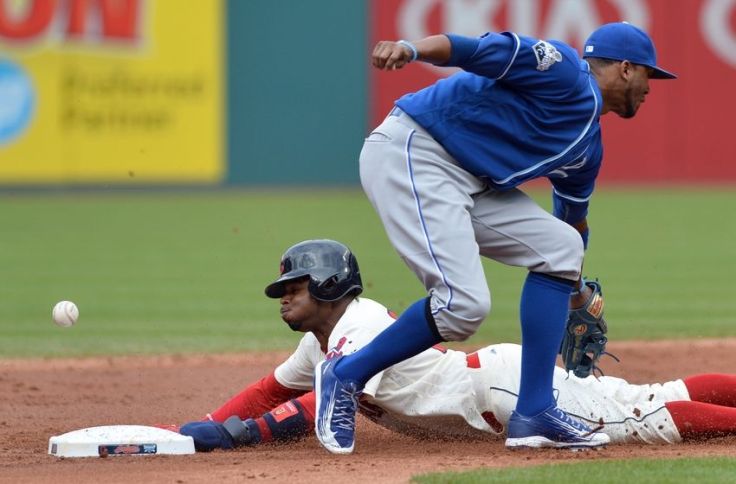
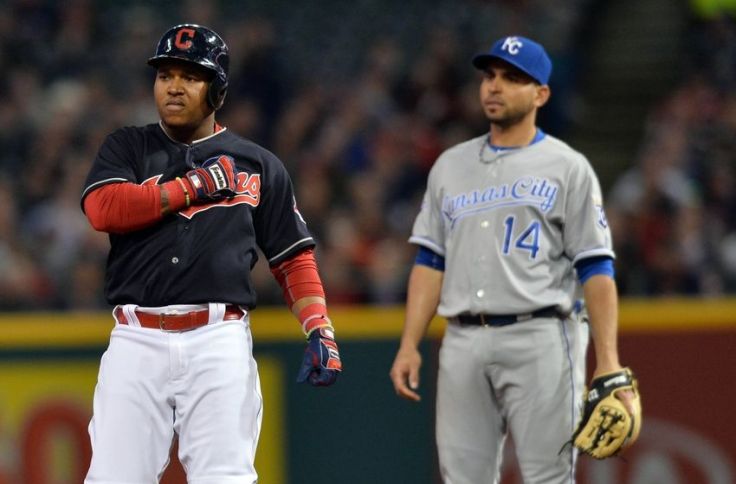
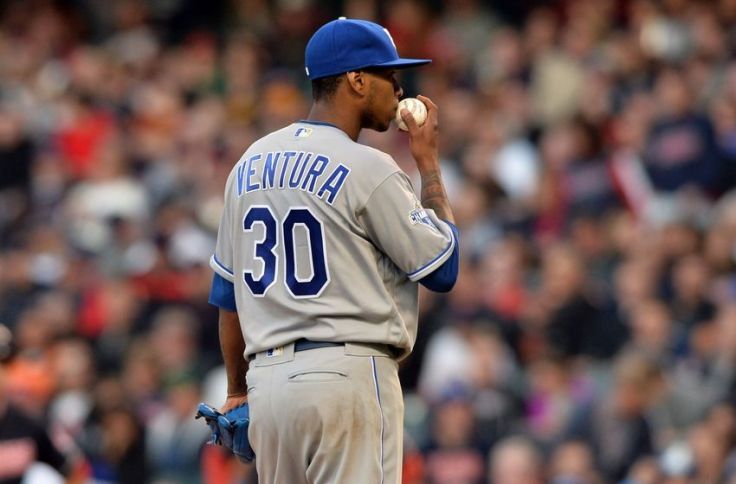
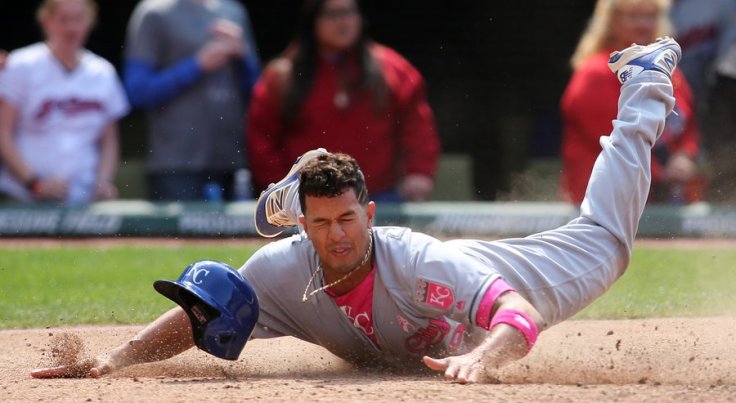
Mother’s Day, 2016. The Kansas City Royals wrap up their series in Cleveland against the Indians, losing the rubber game and losing their fourth straight series in a row. The Royals now sit at 15-15 as they head to New York to take on the Yankees. To say there is concern for Royals fans would be an understatement; a few weeks into the new season and Kansas City does not look like the defending World Champions. But should you be concerned? Nope. Or should I say, “at least not yet”.
I say not yet because just going by the numbers, this Royals team is not too far off from where they were last year within the American League. Let’s look at offense first, since there has been a lot of concern with the Royals producing with the bats as of late. The Royals right now are on par with where they were last year with numbers you would expect; top of the league in steals, near the top in BABIP, near the bottom in walks and pretty much all power statistics, which is fairly normal for the Royals the last few years. Even their strikeout percentage is the 5th lowest in the American League, which I’m sure is surprising to some. There has been a lot of talk so far this year on how guys like Alex Gordon and Lorenzo Cain have struck out more than normal, but the numbers say as a team they are about where they normally are. Where things differentiate is runs and RBI’s. Last year, the Royals drove in a healthy amount of runs and were in the upper portion of the league at year’s end. This year they are dead last and a lot of that can be pointed toward their inability to score runners in scoring position. The Royals have the third highest rate in the American League (3.55) of stranding runners in scoring position, with only Boston and Houston stranding more this year. To go along with this, Kansas City is just not creating runs, as evident by their being tied for last in wRC+ with 87. So offensively, this team is just not creating runs and being clutch, which are two main cogs of the Royals offense during these last two seasons.
So what about the pitching? For the most part the Royals are putting up about the same numbers here as well. Going down the line, the stats match up with 2015; HR/9, BABIP, LOB% and GB% are all fairly close to what the Royals finished at last year. One area that has seen a slight bump is the walks per 9, which have jumped up from 3.03 last year to 3. 98 so far in 2016. It’s very believable at this stage in the season to see where a few extra base runners could cause a few more runs for the Royals, even despite the percentage of runners being stranded by the pitching staff on level with last year. The Royals hard hit percentage is also up a tad(29.4 last year, 32.1 so far in 2016) which is mildly concerning, but something the pitching staff can flip around, partially by improving their pitch location. Just taking a glance at the numbers, it shows that Kansas City’s pitchers have a few areas they can improve on, but nothing that can’t be adjusted for a quick fix.
So just basing how the season has progressed by the numbers, Kansas City isn’t too far away from climbing their way back to the top of the American League Central. It’s easy to see a scenario where the hitters starting hitting better in tight situations and the pitchers start toning down the walks and not allowing as many pitches in the middle of the plate(and a little more good luck). The White Sox have a six game lead right now over the Royals, which is very attainable. Just as the Royals won’t play this way all season, the White Sox won’t dominate all season. Strap in folks; we are one hot streak away from the Royals blowing past .500 baseball.


















 Bleeding Royal Blue